Muslim Town Lahore is a well-established and highly active area, known for its mix of residential homes, educational institutions, offices, and small commercial hubs. With buildings often serving multiple purposes and experiencing high daily usage, the need for well-coordinated mechanical, electrical, and plumbing systems is essential. Poorly managed infrastructure can lead to inefficiencies, safety concerns, and frequent maintenance issues.
Integrated MEP solutions provide a structured and reliable approach to managing these essential systems. In a locality like Muslim Town, where properties range from compact homes to busy commercial units, having properly designed and maintained systems ensures smooth daily operations and long-term functionality.
Understanding the Role of MEP in Urban Properties
A Unified Approach to Building Systems
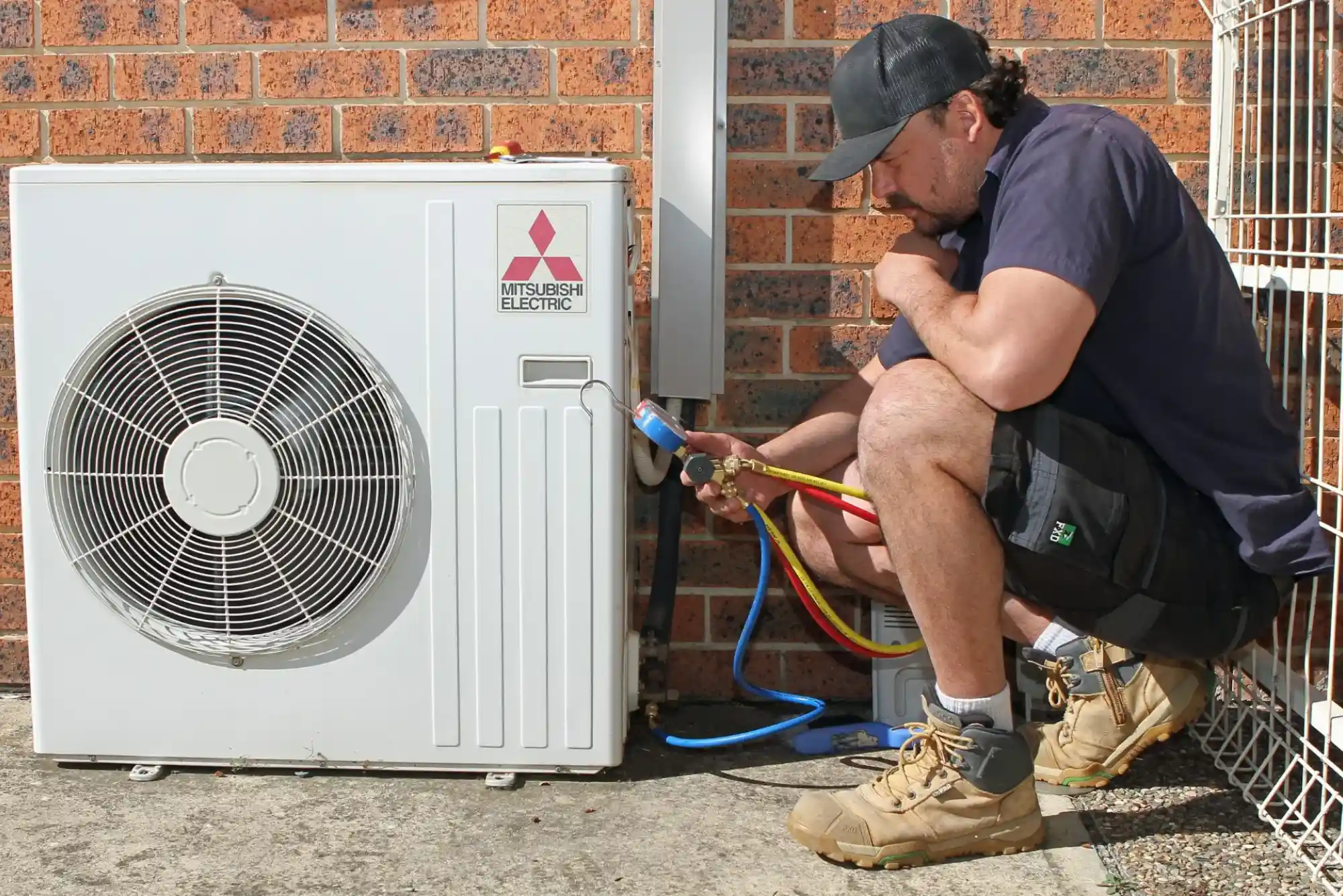
MEP services combine mechanical systems such as HVAC, electrical installations, and plumbing networks into a cohesive framework. Instead of treating each system separately, this approach ensures that all components work together efficiently.
In Muslim Town, where buildings are often modified or expanded over time, a unified system helps maintain balance between power usage, water flow, and climate control.
Supporting Everyday Functionality
From lighting and ventilation to water supply and drainage, these systems play a critical role in daily life. Whether it’s a family home, a tuition center, or a retail shop, properly functioning MEP infrastructure ensures comfort, safety, and convenience.
Adapting to Muslim Town’s Property Landscape
Residential Requirements
Homes in Muslim Town often feature multiple floors and shared living spaces. Managing electrical load, water distribution, and cooling systems in such layouts requires careful planning. Integrated solutions help ensure that each part of the house operates efficiently without overloading any system.
Commercial and Mixed-Use Buildings
The area’s commercial activity includes offices, clinics, and small businesses that rely on uninterrupted utilities. Efficient MEP planning ensures stable electrical supply, proper ventilation, and reliable plumbing, all of which are essential for smooth operations.
Key Components of a Well-Designed MEP System
A properly structured MEP setup addresses multiple aspects of building performance. These include:
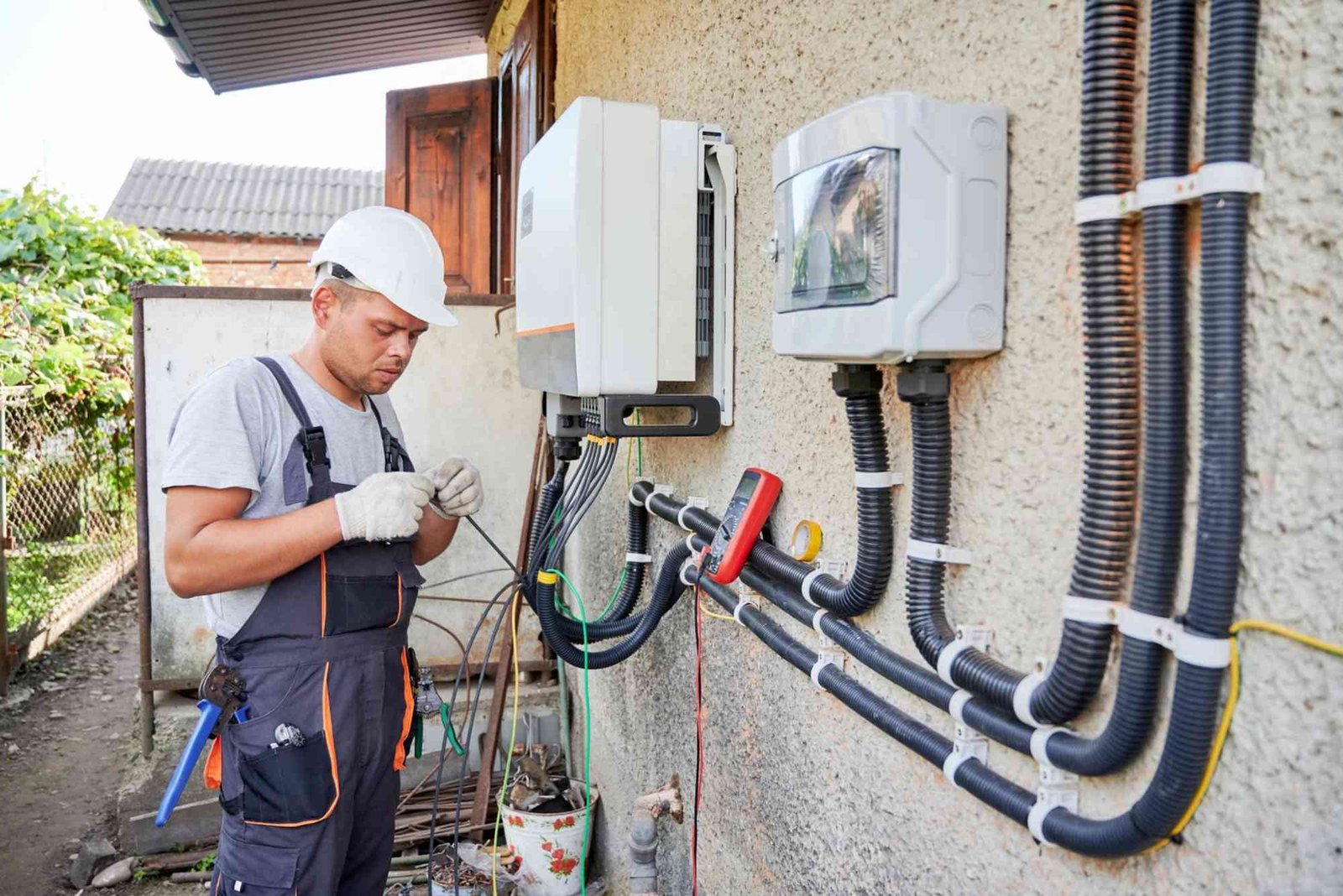
- Electrical systems for safe and efficient power distribution
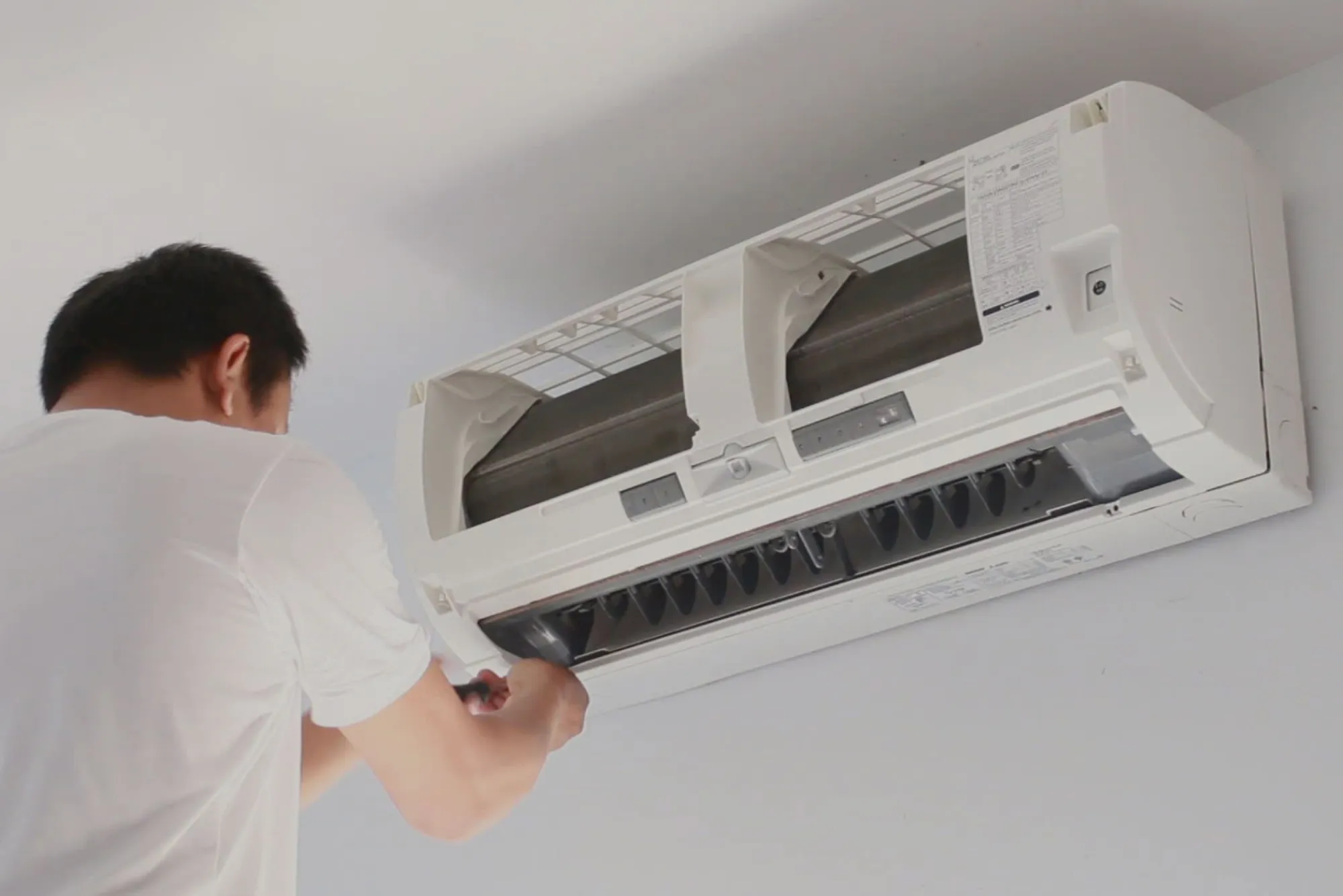
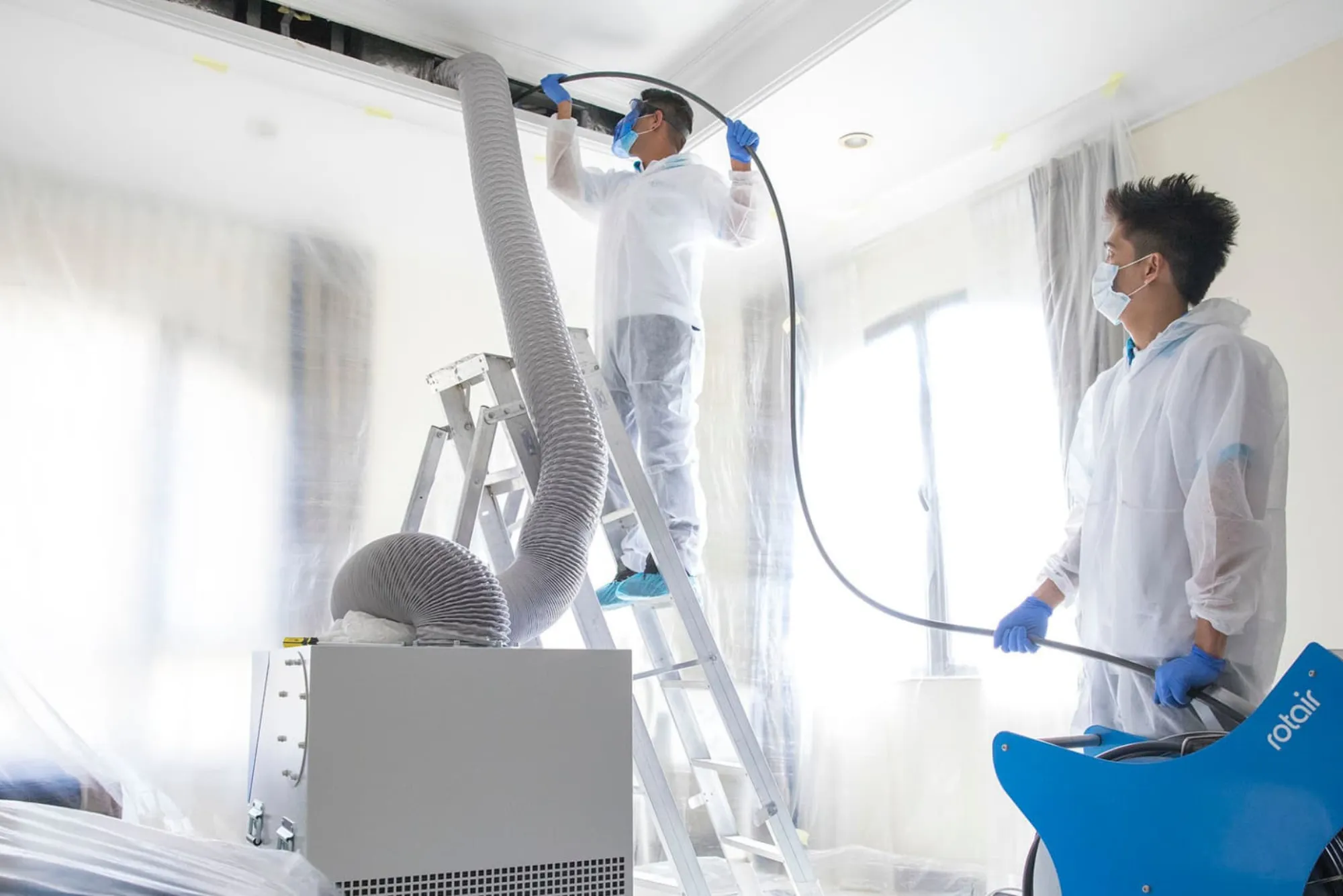
- HVAC systems for controlled indoor climate and ventilation
- Plumbing networks for water supply and drainage management
- Fire safety and emergency system integration
- Energy-efficient design for reduced operational costs
Planning and Execution for Local Conditions
Site-Specific System Design
Each property in Muslim Town has unique requirements based on its size, layout, and usage. Effective MEP planning begins with a detailed assessment of these factors. This includes load calculations, equipment selection, and system layout design to ensure optimal performance.
A customized approach helps avoid common issues such as uneven power distribution, poor airflow, or water pressure problems.
Coordination Across Systems
One of the biggest challenges in building management is ensuring that different systems do not interfere with each other. Proper coordination between mechanical, electrical, and plumbing components ensures smooth operation and prevents conflicts during installation and maintenance.
This is particularly important in areas like Muslim Town, where space constraints and building modifications are common.
Efficiency and Performance in Daily Operations
Optimizing Resource Usage
Energy and water efficiency are becoming increasingly important for property owners. Integrated systems are designed to reduce waste and improve overall performance. This includes efficient electrical layouts, optimized HVAC systems, and well-designed plumbing networks.
Ensuring Reliability in High-Usage Environments
Buildings in Muslim Town often experience continuous usage, especially in commercial areas. Reliable MEP systems ensure that essential services remain uninterrupted, supporting both residential comfort and business operations.
Maintenance Strategies for Long-Term Stability
Routine Inspection and Servicing
Regular maintenance is essential to keep all systems functioning properly. This includes checking electrical connections, inspecting HVAC components, and ensuring that plumbing systems are free from leaks or blockages.
In Muslim Town, where environmental factors and usage levels can impact system performance, routine inspections help maintain efficiency.
Preventing System Failures
Early detection of issues allows for timely repairs, reducing the risk of major breakdowns. Preventive maintenance ensures that systems continue to operate smoothly and extends their lifespan.
Enhancing Property Value Through Proper Systems
Improved Living and Working Conditions
Well-designed MEP systems contribute to a comfortable and functional environment. Proper lighting, ventilation, and water supply enhance the overall experience for residents and occupants.
Supporting Modern Infrastructure Standards
As Muslim Town continues to evolve, property owners are increasingly adopting modern standards in construction and renovation. Integrated building systems play a key role in meeting these expectations, ensuring that properties remain efficient and future-ready.
FAQs
What are MEP services and why are they important?
MEP services involve mechanical, electrical, and plumbing systems that ensure a building functions efficiently and safely.
Are MEP services suitable for small homes in Muslim Town?
Yes, they can be tailored for properties of all sizes, including small residential homes and apartments.
Can existing buildings benefit from MEP upgrades?
Yes, upgrading systems can improve efficiency, safety, and overall performance in older properties.
How often should MEP systems be inspected?
Regular inspections are recommended at least once or twice a year, depending on usage.
Do MEP services help in reducing utility costs?
Efficient system design and maintenance can optimize energy and water usage, helping to manage overall costs.