Pak Arab Housing Society Lahore is a well-planned locality known for its modern homes, wide streets, and steadily growing commercial activity. With a mix of newly constructed houses, apartment units, offices, and retail shops, the demand for properly functioning technical systems is consistently high.
In such an environment, preventive maintenance plays a vital role in ensuring that essential systems—such as air conditioning, electrical setups, and plumbing—continue to operate smoothly. Rather than waiting for breakdowns, routine upkeep helps identify potential issues early, allowing property owners to maintain efficiency and avoid sudden disruptions.
Why Regular System Checks Matter in Daily Operations
In residential homes, uninterrupted cooling and electrical reliability are essential for comfort. In offices and commercial spaces, system failures can impact productivity and customer experience. Preventive care helps maintain consistency across all these environments.
In Pak Arab Housing Society, where many properties rely on modern installations, even minor faults can affect system performance. Regular inspections ensure that equipment operates at optimal capacity, reducing the chances of unexpected downtime.
Early Detection of Hidden Technical Issues
One of the most important aspects of preventive maintenance is identifying issues before they become serious problems. Many system faults develop gradually and may not be immediately noticeable.
Routine inspections often reveal concerns such as declining cooling efficiency, minor electrical irregularities, airflow blockages, or drainage issues. Addressing these early helps avoid expensive repairs and extends the lifespan of equipment.
What Preventive Maintenance Covers
Preventive maintenance involves a comprehensive evaluation of various technical systems within a property. The scope of work typically includes detailed inspection, cleaning, and performance optimization.
A standard maintenance visit may include:
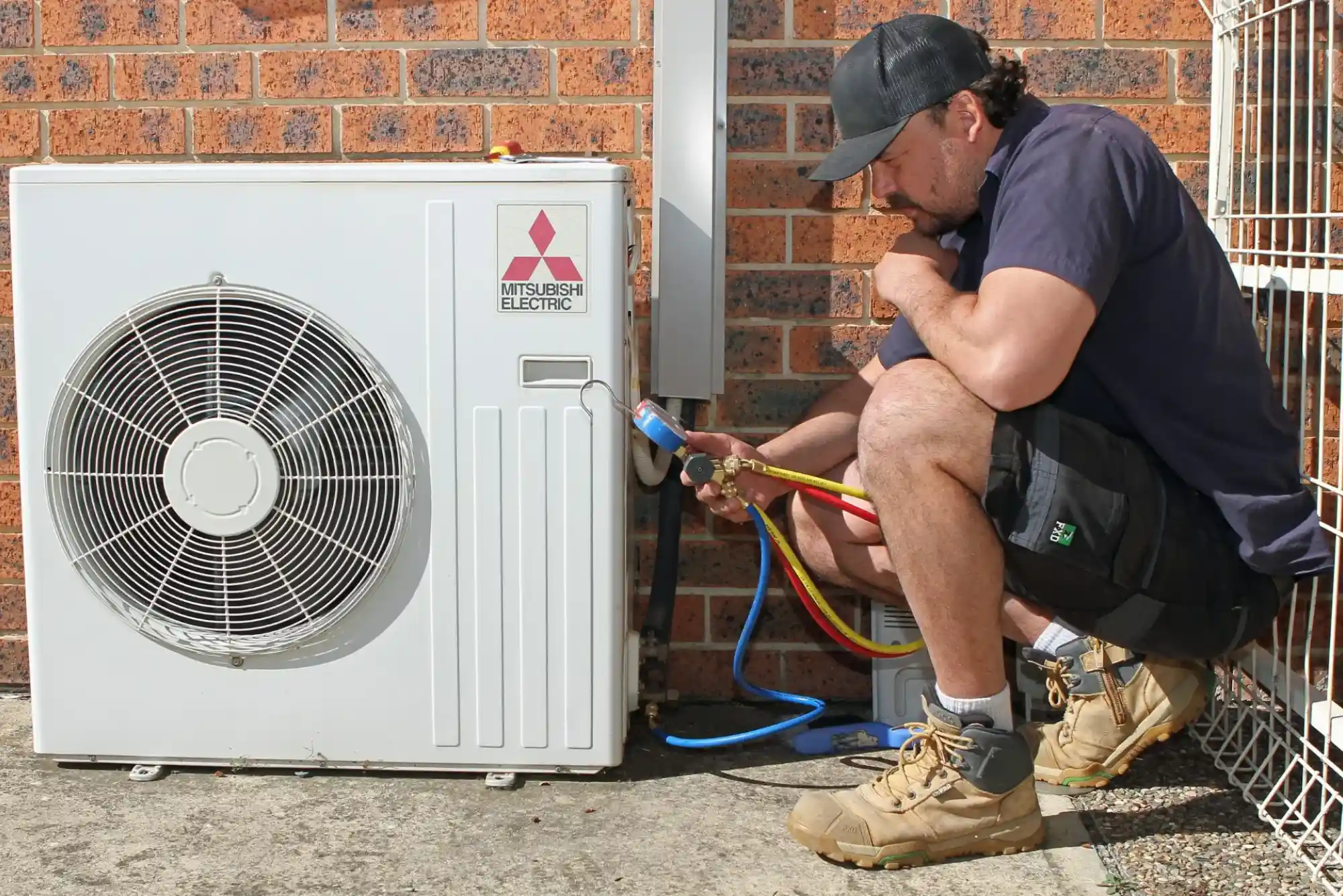
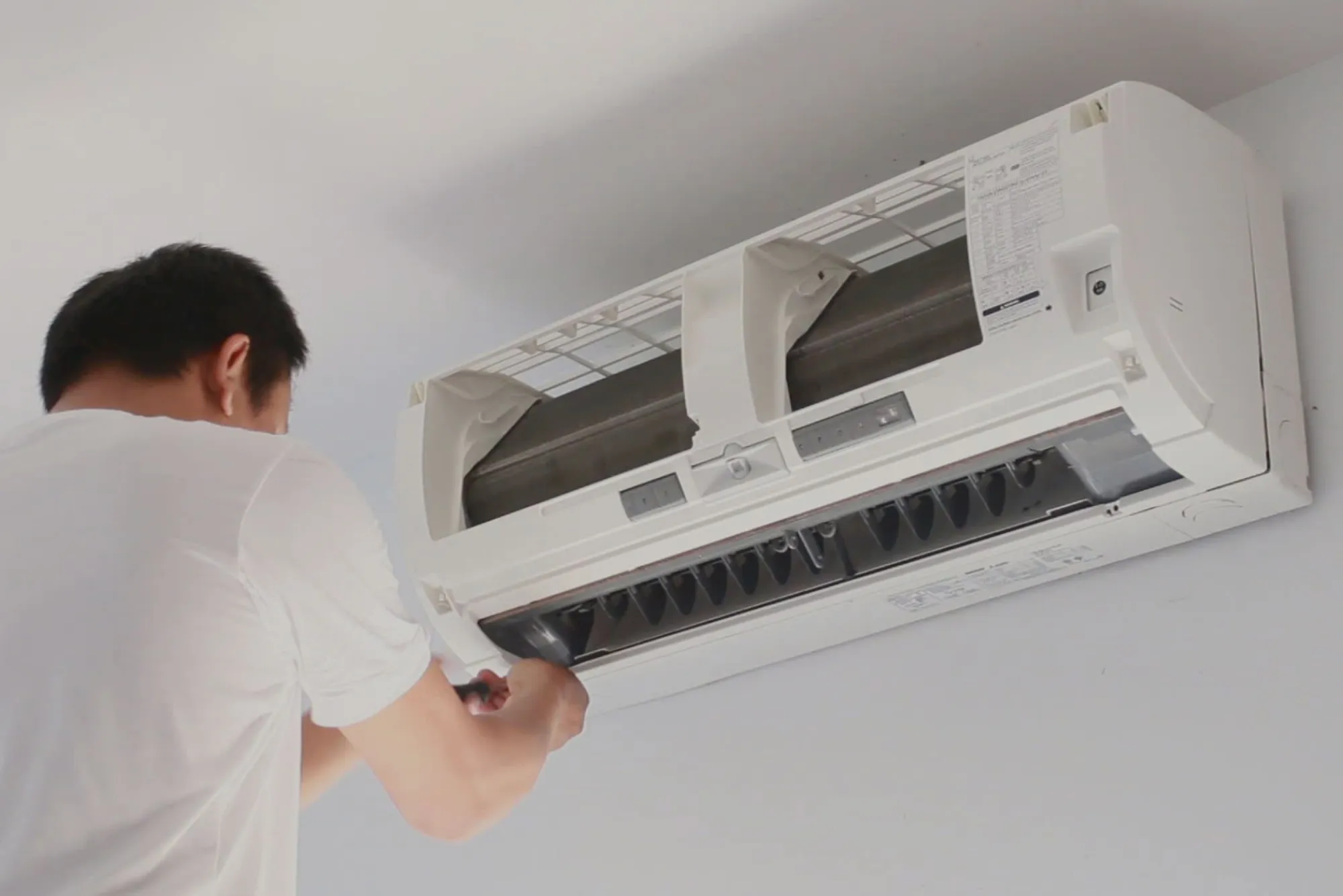
- Cleaning and servicing of air conditioning units
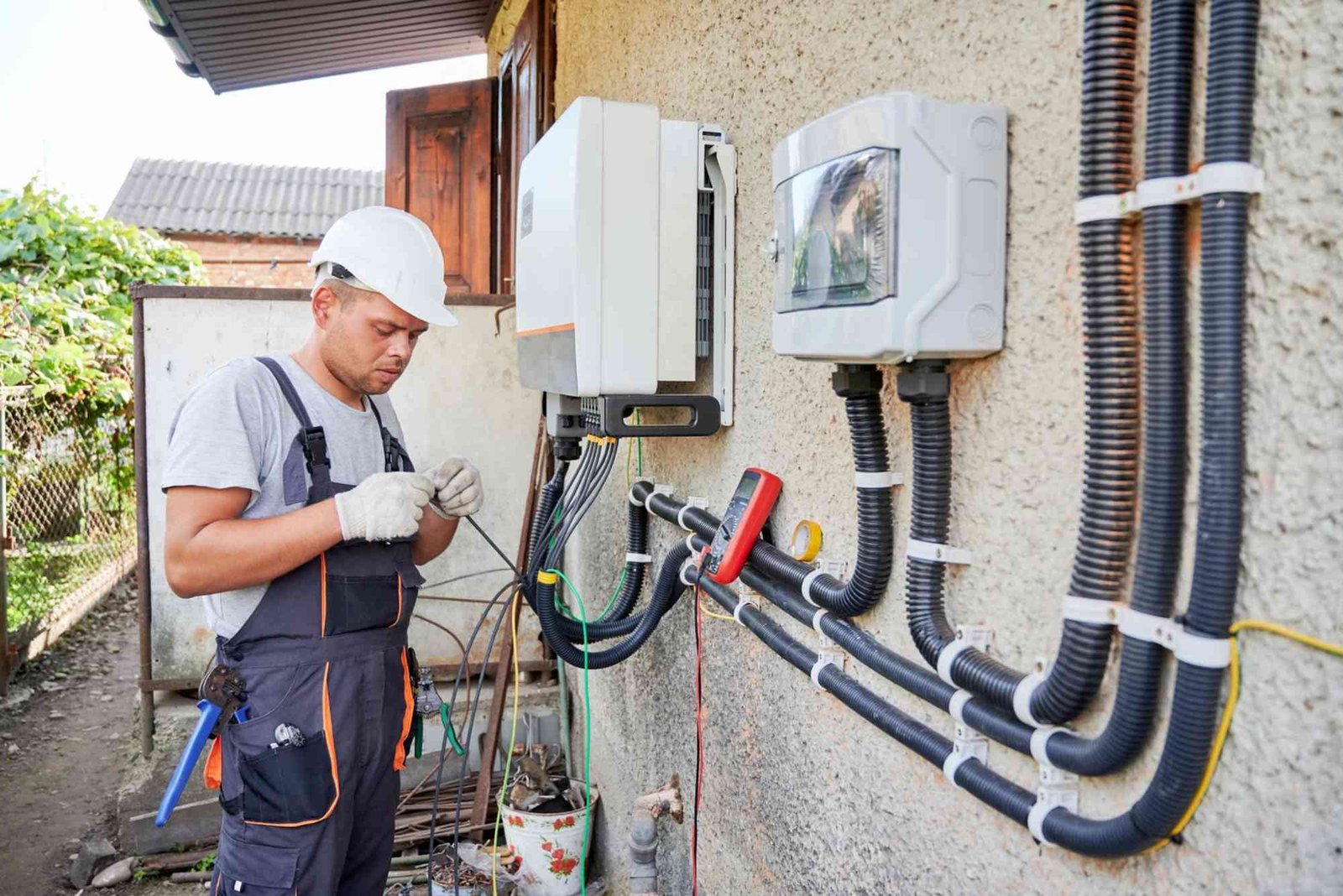
- Inspection of electrical wiring and load balance
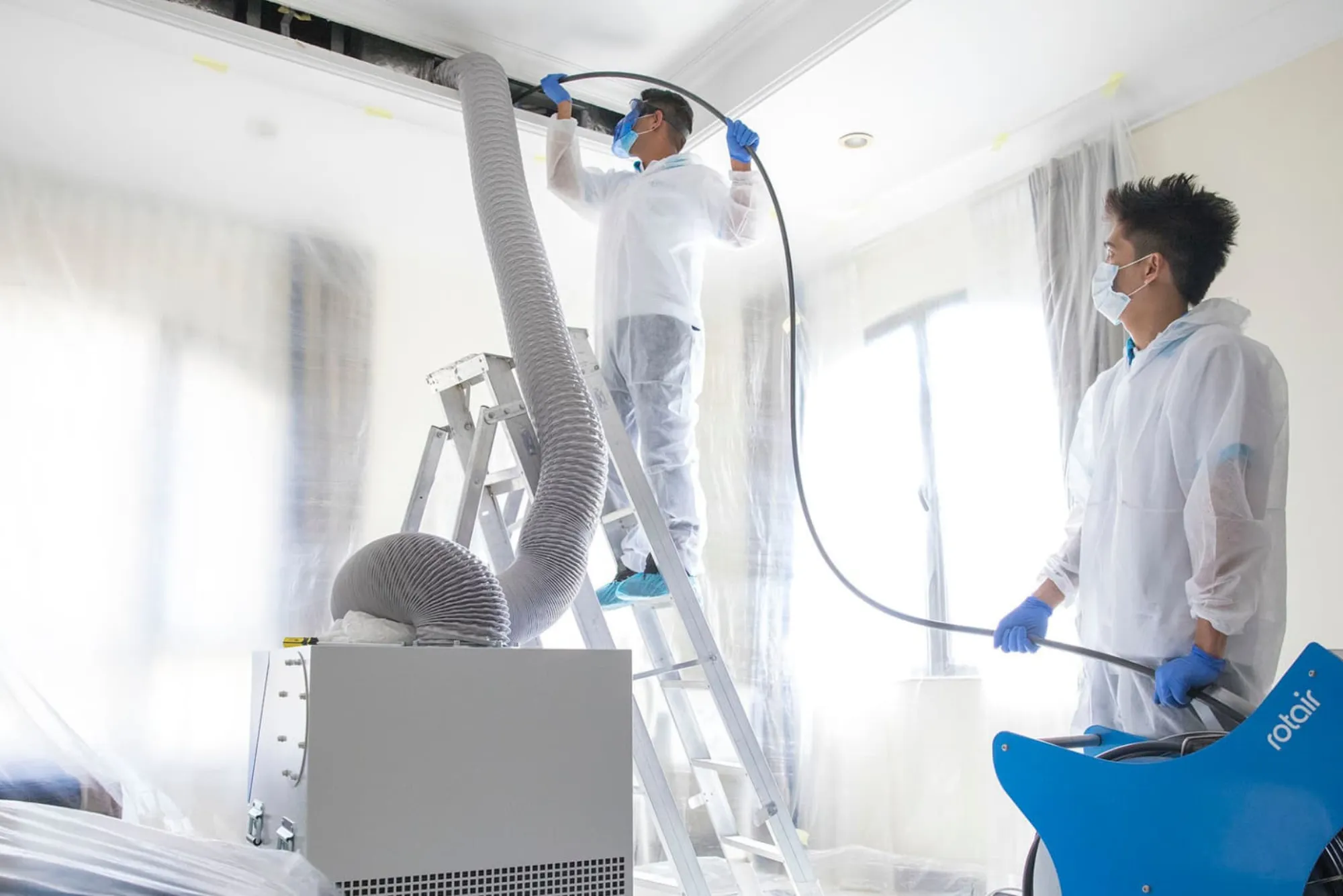
- Checking ventilation systems for airflow efficiency
- Testing safety components and connections
- Ensuring proper drainage and leak prevention
This structured approach ensures that every critical component is functioning as expected.
Adapting Maintenance to Different Property Types
In Pak Arab Housing Society, the diversity of property types requires a flexible approach to maintenance. Residential homes often focus on comfort, energy efficiency, and quiet operation, while commercial spaces require systems that can handle longer operational hours.
For homes, maintenance may involve fine-tuning cooling systems, improving airflow, and ensuring safe electrical connections. In offices and shops, more attention is given to system durability, consistent performance, and load handling capabilities.
Tailoring maintenance practices to each environment ensures that systems remain reliable under their specific usage conditions.
Reducing Long-Term Operational Costs
Preventive maintenance is not just about avoiding breakdowns—it also plays a significant role in controlling long-term expenses. Systems that are regularly maintained tend to consume less energy and operate more efficiently.
In Pak Arab Housing Society, where modern appliances are widely used, optimizing performance can lead to noticeable savings on electricity bills. Additionally, timely maintenance reduces the likelihood of major component failures, which can be costly to repair or replace.
Handling Electrical and Mechanical Systems Safely
Technical systems within a property are interconnected, combining electrical circuits with mechanical components. Any imbalance between these elements can lead to inefficiency or safety risks.
Regular maintenance ensures that wiring, connections, motors, and other components are functioning correctly. In areas where voltage fluctuations may occur, periodic checks help stabilize system performance and prevent damage.
Safe handling of these systems not only improves efficiency but also enhances overall safety for occupants.
Maintaining Air Quality and Indoor Comfort
Preventive maintenance also contributes to better indoor air quality. Dust buildup, clogged filters, and blocked ventilation pathways can reduce air purity and affect comfort levels.
Cleaning and servicing air conditioning and ventilation systems help maintain a healthier indoor environment. This is particularly important in urban areas where external dust and pollution can impact indoor air quality.
For both residential and commercial properties, improved air quality enhances overall comfort and usability of the space.
Ensuring Consistent Performance Throughout the Year
Seasonal changes in Lahore can place varying demands on technical systems. During summer, cooling systems are heavily used, while in other seasons, ventilation and electrical stability remain essential.
Preventive maintenance ensures that systems are prepared for these changes, delivering consistent performance throughout the year. By addressing potential issues in advance, property owners can avoid disruptions during peak usage periods.
FAQs
How often should preventive maintenance be performed?
It is recommended to schedule maintenance at least twice a year, ideally before peak summer and winter seasons.
Can preventive maintenance reduce repair costs?
Yes, identifying and fixing minor issues early helps prevent major breakdowns and reduces overall repair expenses.
Is preventive maintenance necessary for new systems?
Even new systems benefit from regular checks to ensure optimal performance and long-term reliability.
Does maintenance improve energy efficiency?
Regular servicing helps systems operate more efficiently, leading to lower energy consumption.
Can preventive maintenance improve indoor air quality?
Yes, cleaning filters and ventilation systems helps maintain cleaner and healthier indoor air.