Pak Arab Housing Society Lahore has grown into a busy residential and mixed-use area where comfort, energy management, and long-term building performance matter more than ever. In this setting, modern climate control is no longer limited to large commercial towers. Many homes, office spaces, clinics, retail outlets, and low-rise commercial buildings now need flexible cooling and heating solutions that can handle different room sizes, usage patterns, and occupancy levels. That is where VRF / VRV systems become highly relevant.
Unlike conventional setups that cool every zone in the same way, these systems are designed to manage multiple indoor units with precise control. For properties in Pak Arab Housing Society, this can be especially useful because buildings here often combine bedrooms, lounges, workspaces, reception areas, shops, and utility spaces under one roof. A single uniform cooling method may not suit all of them. A variable refrigerant solution gives better zoning, improved comfort, and more measured energy use for daily living and business operations.
A Practical Fit for Modern Properties in Pak Arab Housing Society
The built environment in Pak Arab Housing Society includes family homes, corner offices, tuition centers, clinics, stores, and commercial units that require dependable indoor temperature control throughout the year. Some spaces stay occupied all day, while others are used only at specific times. This difference in usage makes a flexible HVAC design far more valuable than a basic one-size-fits-all system.
VRF / VRV systems are often chosen where property owners want to condition several rooms independently without installing a completely separate outdoor system for every area. In a house, the drawing room may need stronger cooling in the evening while bedrooms need separate control at night. In an office, the reception, manager room, and meeting space may all require different settings. In shops and service outlets, customer-facing areas usually have higher cooling demands than storage or back-office spaces.
Because the area continues to develop with a mix of residential and light commercial activity, these systems align well with the evolving expectations of occupants who want both comfort and control.
Indoor Comfort Depends on More Than Just Cooling Capacity
A common mistake in property cooling design is focusing only on tonnage without understanding actual load behavior. Good performance depends on how the entire system responds to room size, heat gain, insulation, occupancy, equipment usage, and air distribution.
Room-by-Room Temperature Control Matters
One of the strongest advantages of this setup is zoning. Instead of forcing the whole building to operate on the same temperature pattern, different indoor units can respond to the needs of separate rooms. This is particularly useful in larger homes and multi-room workplaces in Pak Arab Housing Society, where sunlight exposure, room function, and foot traffic can vary significantly.
Better Suitability for Mixed Residential and Commercial Use
Some buildings in the area serve more than one purpose. A property may include a residence on one floor and offices or a showroom on another. In such cases, conventional cooling systems may struggle to deliver balanced performance. Variable refrigerant technology is better suited to these layouts because it can serve different indoor environments with more accuracy and better operational flexibility.
Clean Integration With Interior Spaces
Modern occupants also care about the visual impact of mechanical systems. Ceiling cassette, concealed ducted, wall-mounted, or other indoor unit options allow the cooling system to fit into the design of the property rather than dominate it. This matters in polished office interiors, renovated homes, and customer-facing commercial spaces where appearance and comfort both influence user experience.
Planning the Right System for the Property
A proper installation starts well before equipment placement. It requires an assessment of how the building is actually used.
Load Assessment and Layout Review
Every property in Pak Arab Housing Society has its own configuration. Plot width, floor count, ceiling height, glazing, sun exposure, and room divisions all influence HVAC planning. A technical review should consider not just total area, but how each zone performs during peak conditions. This helps avoid oversizing, poor airflow, and inefficient operation.
Pipe Routing and Indoor Unit Placement
Installation quality is crucial in this category of system. Refrigerant piping, drainage planning, control wiring, and indoor unit positioning must all be handled carefully. Poor routing or rushed placement can affect performance, maintenance access, and long-term reliability. In homes, neat concealed work is often a priority. In offices and shops, the design must also respect ceiling coordination and occupancy flow.
Control Strategy and User Convenience
A technically sound system should also be easy to operate. Independent controllers, central controls, and zone management options help users maintain comfort without wasting energy. For a family home, this means easier room-level control. For office and commercial use, it means more organized system operation across different departments or sections of the building.
Where These Systems Commonly Add Value
In Pak Arab Housing Society, variable refrigerant systems can be practical across several property types:
- Larger homes with multiple bedrooms and separate living zones
- Offices that need individual room control
- Clinics and consultation spaces where comfort consistency matters
- Retail shops with changing customer footfall
- Commercial buildings with multiple occupied sections
This type of application flexibility is one reason such systems continue to gain attention in growing urban areas.
Long-Term Performance Depends on Technical Precision
Installing a sophisticated HVAC system without proper technical standards can lead to disappointing results. Even a high-quality setup can underperform if commissioning is incomplete or system design does not match the site conditions.
Refrigerant Management and Commissioning
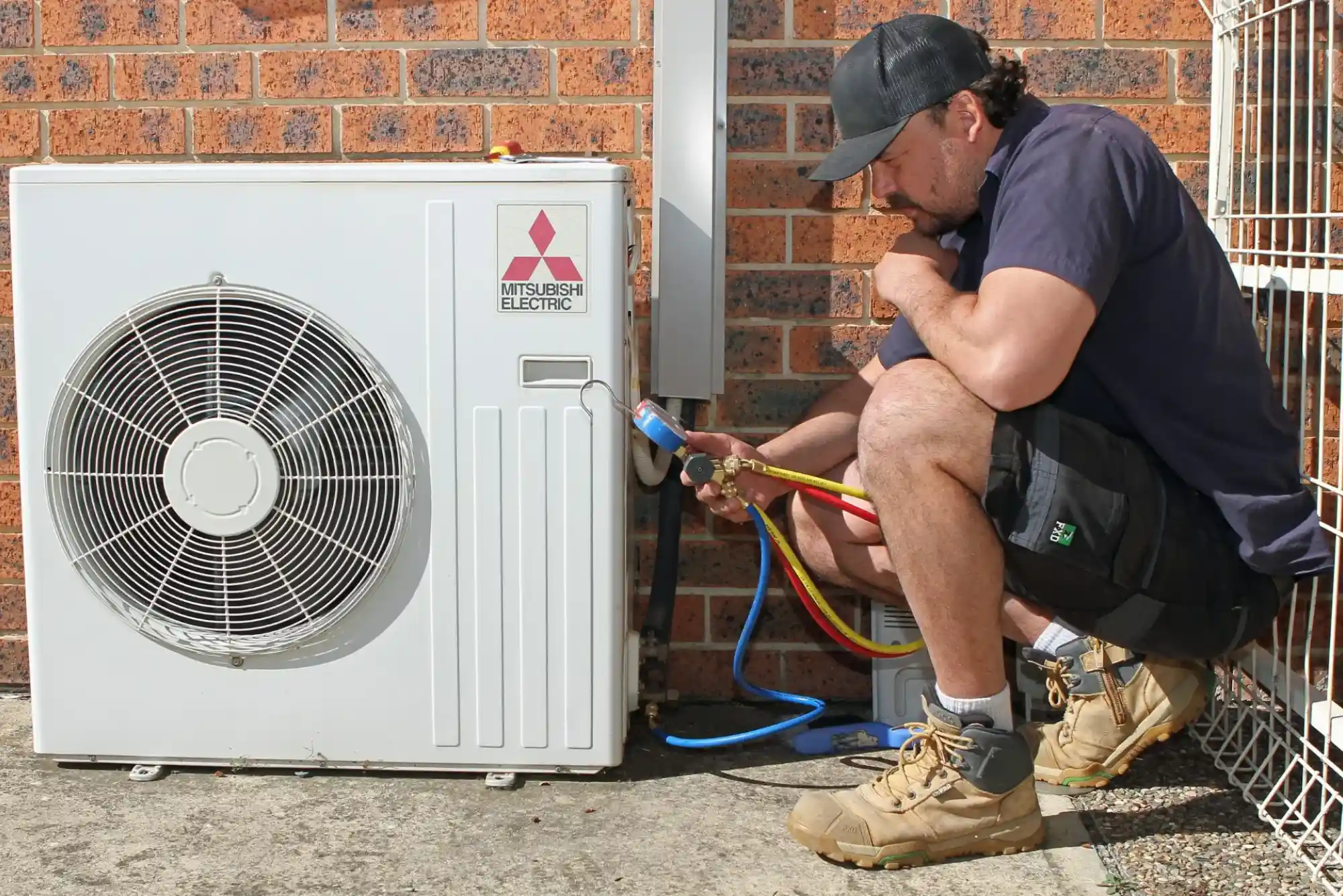
These systems rely on accurate refrigerant handling, pressure balancing, vacuuming, testing, and startup procedures. Commissioning is not just a final formality. It is the stage that confirms whether the system is ready to operate efficiently and safely over time. In residential and commercial buildings alike, this step helps reduce future faults and supports stable performance.
Electrical and Drainage Coordination
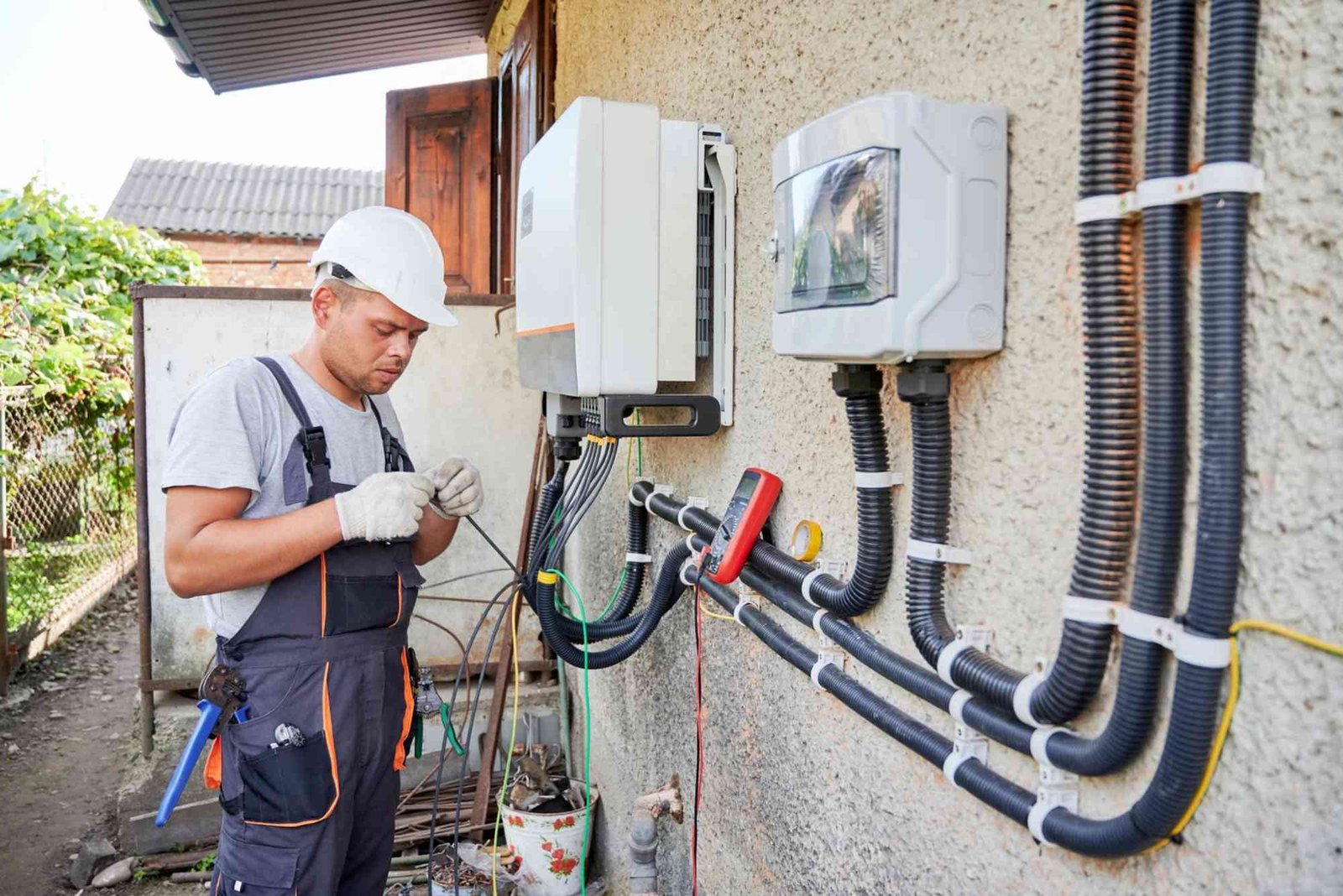
Because these systems are integrated and multi-zoned, electrical coordination must be clean and properly planned. Indoor and outdoor units, communication wiring, and control systems need organized execution. Drainage planning is equally important to prevent moisture issues inside ceilings or finished spaces. In well-finished homes and offices, poor drainage design can create avoidable interior damage.
Maintenance Still Matters After Installation
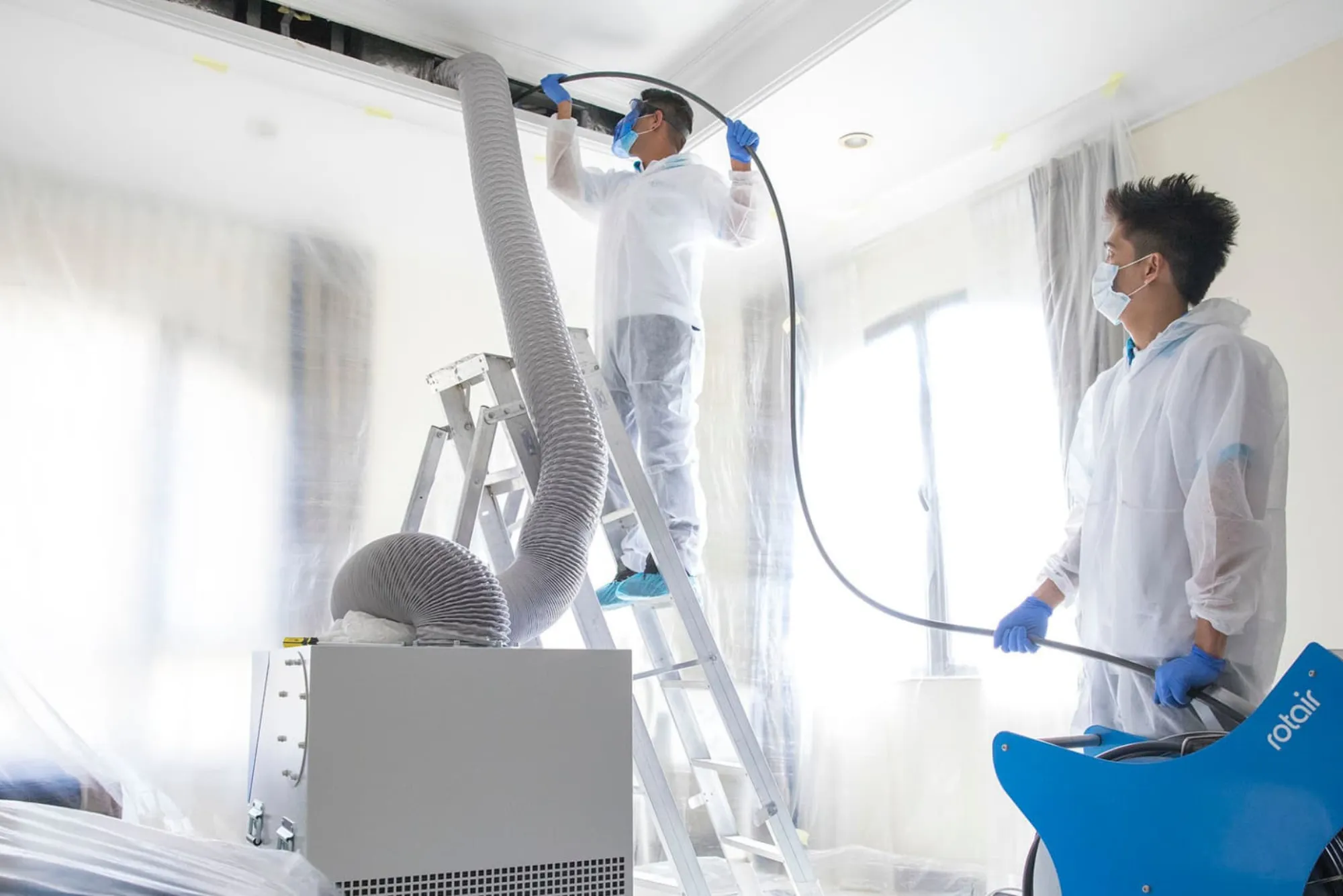
Many property owners assume advanced systems require no attention once installed. In reality, routine technical care remains essential. Filters, drainage lines, electrical checks, refrigerant conditions, controls, and indoor unit cleanliness all affect ongoing performance.
Residential Maintenance Priorities
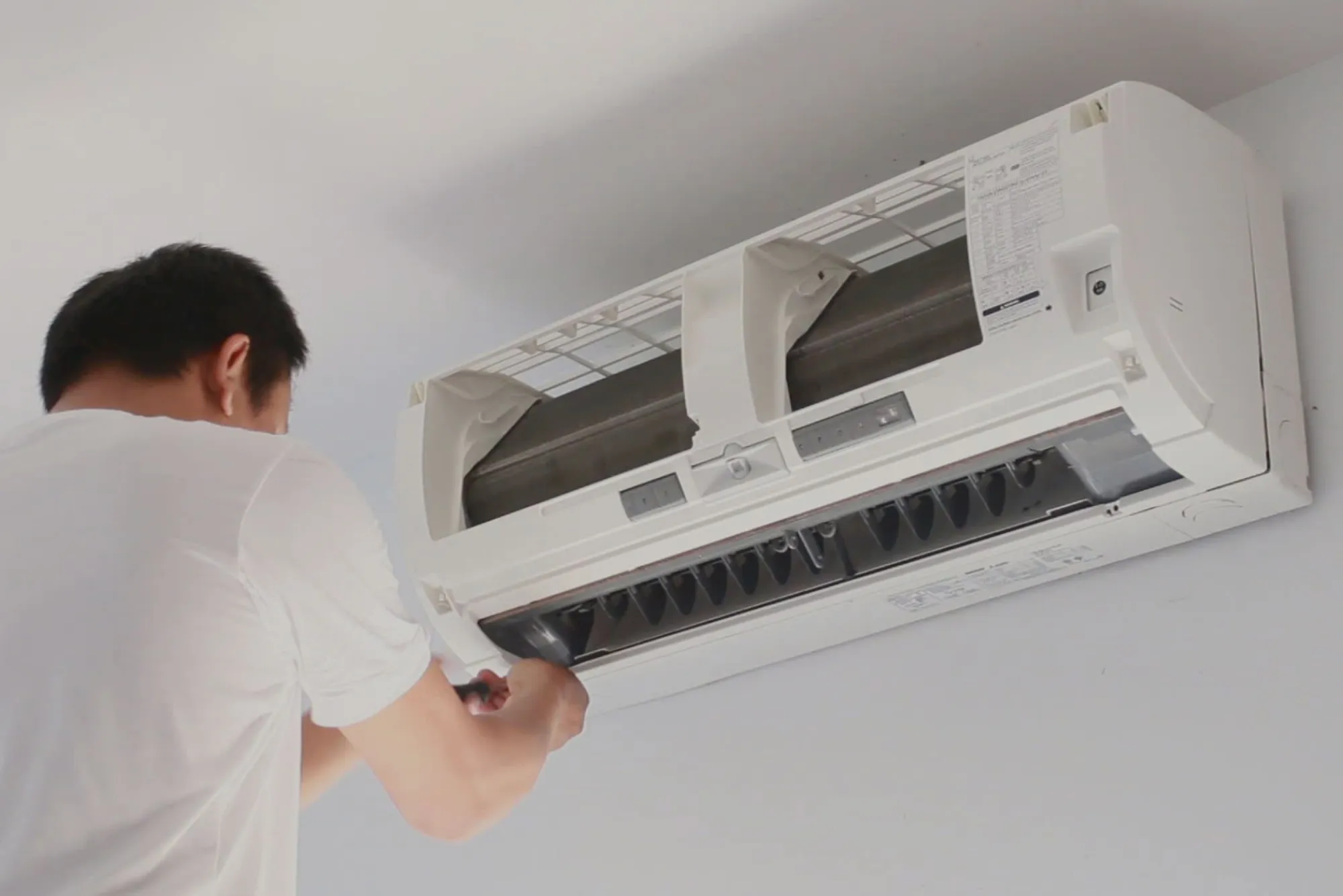
In homes, seasonal cleaning and inspection help preserve airflow and indoor comfort. Families usually notice system issues first through uneven cooling, unusual sounds, or reduced comfort in certain rooms. Early maintenance can prevent small issues from turning into expensive system disruptions.
Commercial and Office Maintenance Priorities
For offices, shops, and service businesses, preventive care is even more important. Interruptions during working hours can affect staff comfort, customer experience, and business continuity. Scheduled inspections support stable operation, especially in spaces where systems run for long hours or serve multiple rooms at the same time.
A Smart Option for Expanding Lahore Neighborhoods
Pak Arab Housing Society represents the kind of area where practical modernization matters. People want systems that suit current property use while also supporting future needs. A flexible HVAC solution is useful not only for present comfort but also for managing changing space requirements over time.
Whether the property is a well-used family home, a newly planned office, a compact commercial unit, or a mixed-use building, a properly designed VRF / VRV setup can offer stronger zoning, better comfort control, and a more refined building environment. The real value, however, comes from correct planning, careful installation, and reliable technical maintenance rather than from equipment choice alone.
FAQs
1. What makes VRF / VRV systems suitable for Pak Arab Housing Society properties?
They are well suited to multi-room homes, offices, and commercial units where different spaces need independent temperature control.
2. Can these systems work for residential homes as well as commercial buildings?
Yes. They are commonly used in larger homes, offices, clinics, shops, and mixed-use properties.
3. Do all rooms operate at the same setting in this type of system?
No. One of the main advantages is zone-based control, allowing different rooms to run according to their own needs.
4. Is installation more technical than standard air conditioning?
Yes. Proper design, piping, wiring, drainage, and commissioning are all important for reliable performance.
5. Do VRF / VRV systems require regular maintenance?
Yes. Routine inspections and cleaning help maintain efficiency, comfort, and long-term system stability.