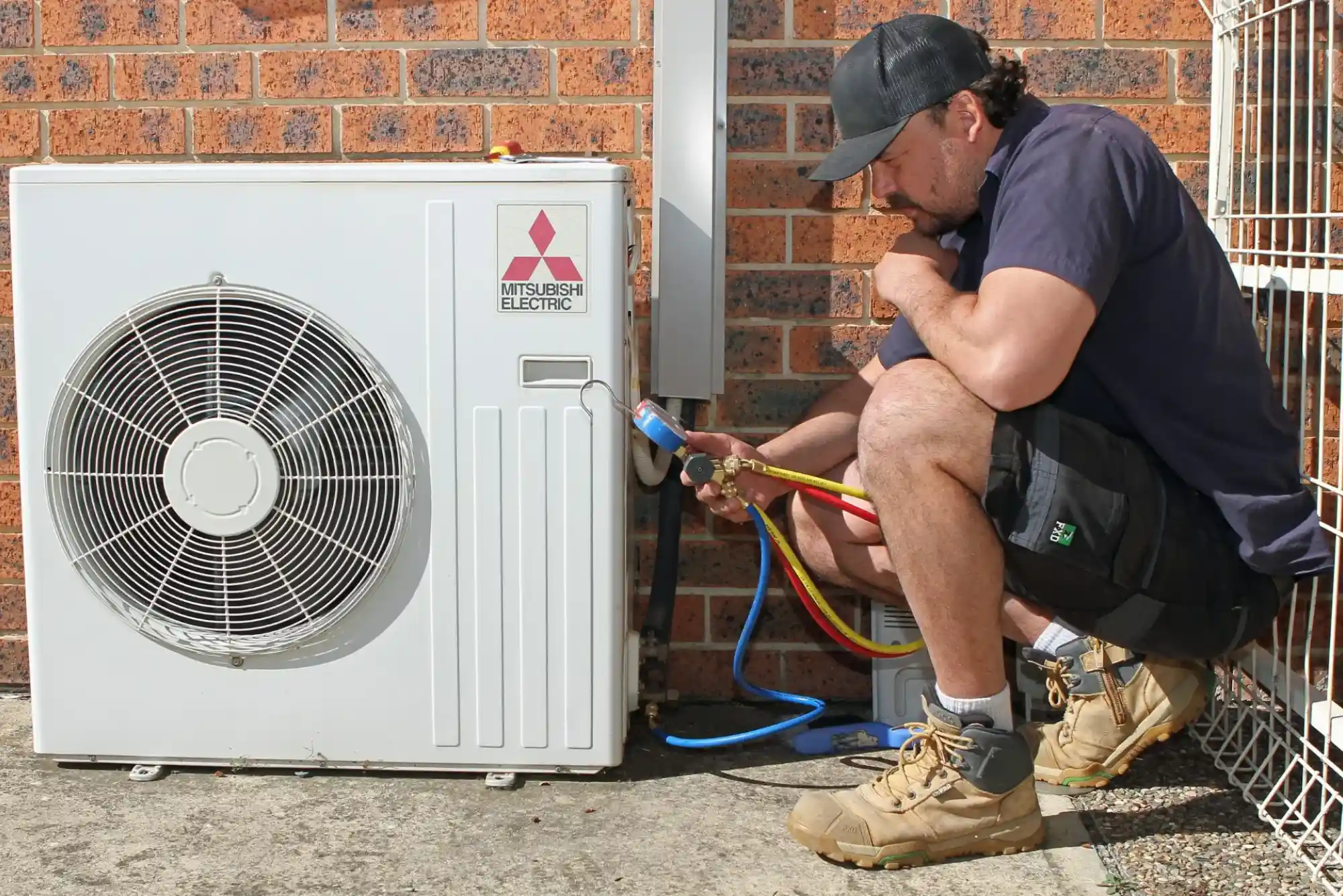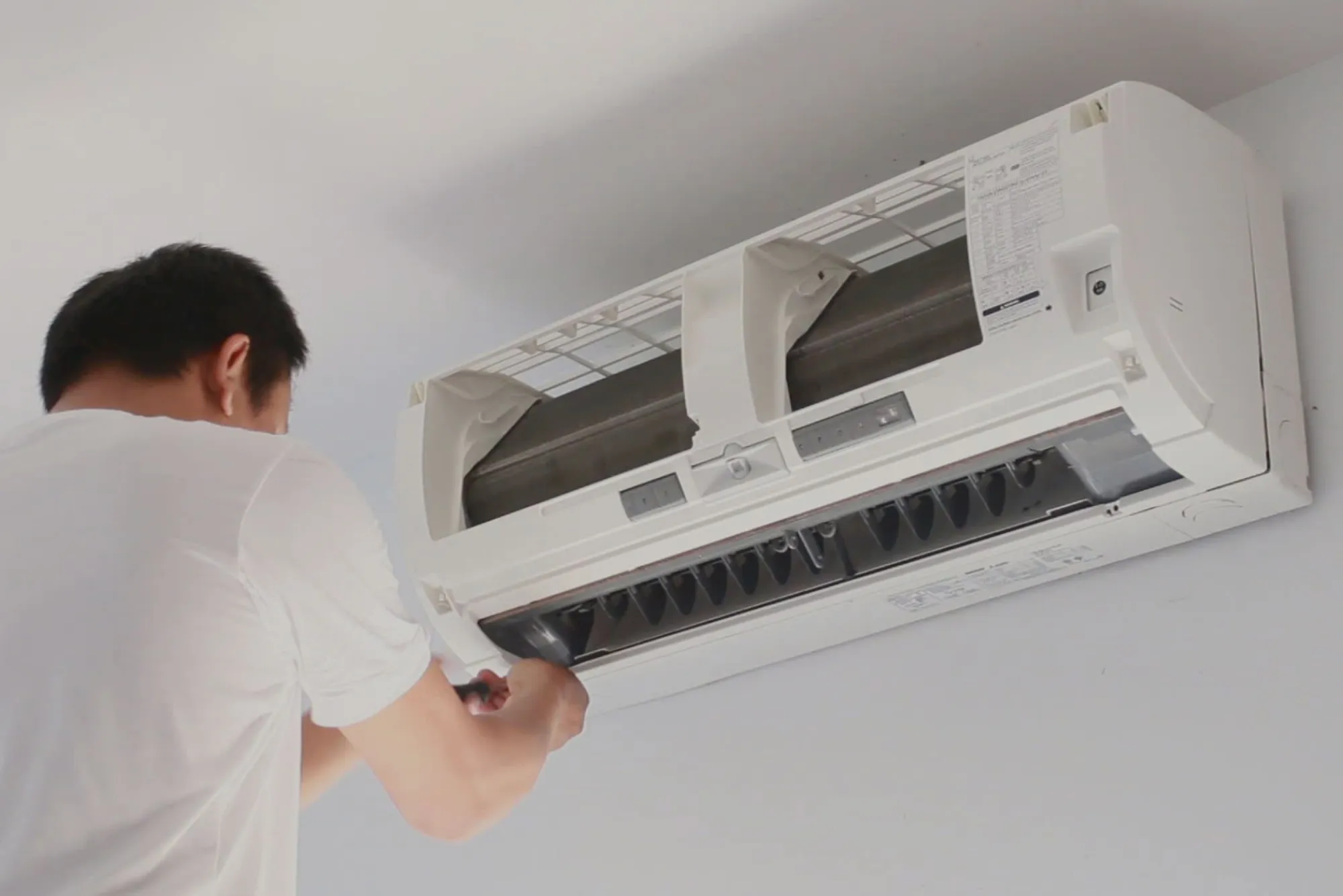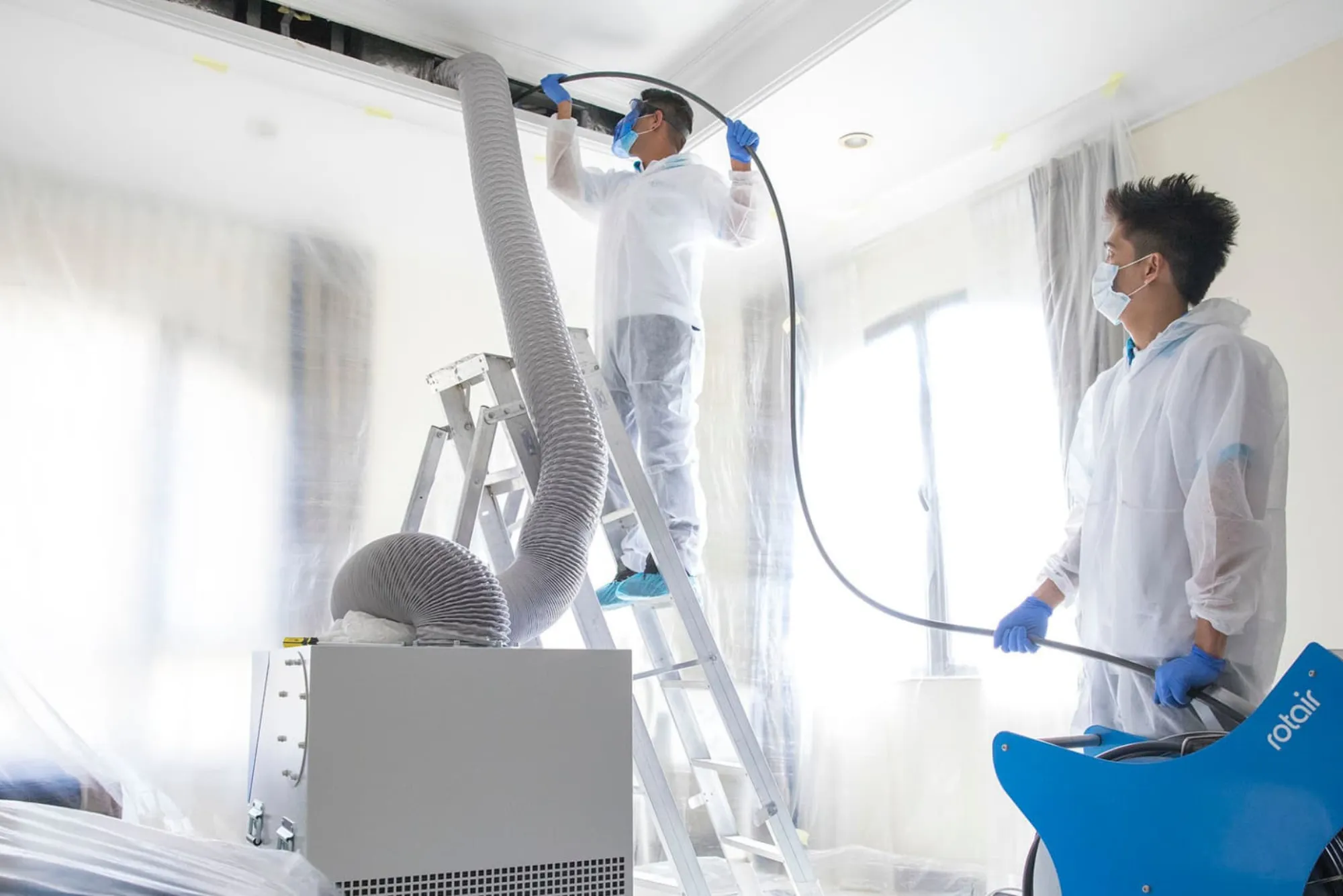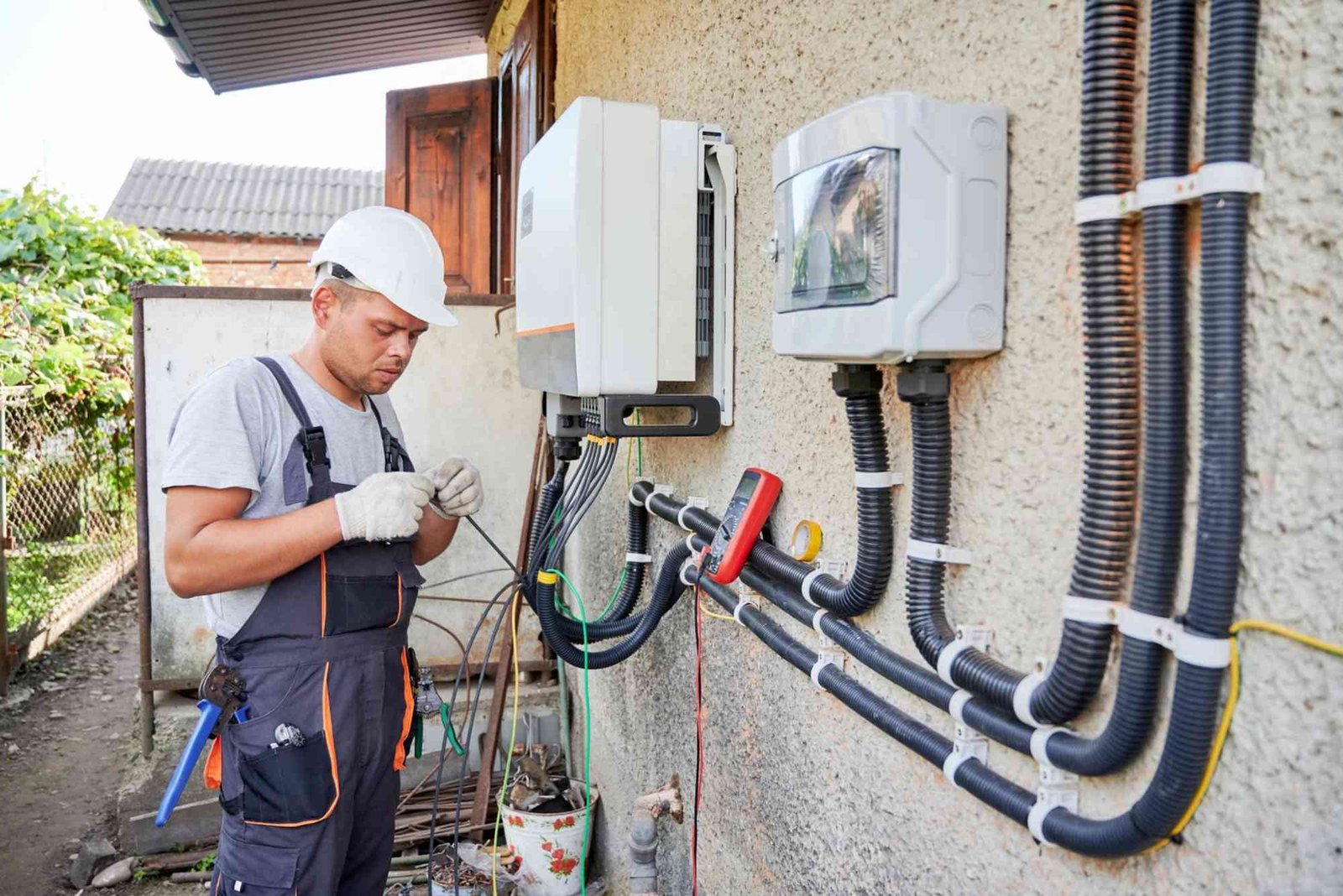
Pak Arab Housing Society Lahore has seen rapid residential and commercial development in recent years. With modern homes, offices, clinics, and retail spaces becoming more common, the need for efficient airflow systems has grown significantly. Proper ducting and ventilation play a critical role in maintaining indoor comfort, especially in environments where air conditioning systems operate continuously.
In many properties across the area, insufficient airflow leads to uneven cooling, humidity buildup, and stale indoor air. A well-designed ventilation system ensures that fresh air circulates effectively while maintaining temperature balance throughout the property.
Understanding Air Distribution in Different Property Types
Every building has unique airflow requirements based on its layout and usage. In Pak Arab Housing Society, homes often feature multi-room layouts, while commercial spaces such as offices and shops demand consistent airflow across larger areas.
Residential properties typically require balanced airflow between living rooms, bedrooms, and kitchens. On the other hand, commercial setups need duct systems that can handle higher occupancy levels and continuous operation. Properly planned duct networks ensure that each section of a building receives adequate ventilation without overloading the system.
Key Components of a Reliable Ventilation System
A well-functioning ventilation setup consists of multiple interconnected components working together to maintain indoor air quality and temperature control. Understanding these elements helps property owners recognize the importance of proper installation and maintenance.
Important components include:
- Air ducts that distribute conditioned air across spaces
- Vent grilles and diffusers for controlled airflow
- Exhaust systems for removing stale or humid air
- Insulation to maintain temperature efficiency
- Air filters to improve indoor air quality
Each of these elements must be correctly installed and maintained to ensure optimal performance in both residential and commercial environments.
Addressing Common Airflow Challenges in Local Buildings
In Pak Arab Housing Society, many buildings are constructed with compact designs, which can limit airflow if not properly managed. Poor duct design or blocked ventilation pathways often result in uneven cooling and increased energy usage.
Common issues include restricted airflow due to clogged ducts, improper duct sizing, and poorly positioned vents. In some cases, inadequate exhaust systems can lead to humidity buildup, particularly in kitchens and washrooms.
Resolving these challenges requires a technical approach that focuses on optimizing airflow without compromising the building’s structural design.
Enhancing Energy Efficiency Through Proper Ducting
Efficient ducting systems not only improve airflow but also contribute to reduced energy consumption. When air is distributed evenly, cooling systems do not need to work harder to maintain desired temperatures.
In Pak Arab Housing Society, where energy efficiency is becoming increasingly important, properly sealed and insulated ducts help prevent air leakage and temperature loss. This results in better system performance and lower operational strain on HVAC units.
For both homes and commercial properties, optimized ducting ensures consistent comfort while maintaining energy efficiency.
Importance of Ventilation for Indoor Air Quality
Ventilation is not just about temperature control; it also plays a vital role in maintaining indoor air quality. In densely populated areas, indoor air can become polluted with dust, allergens, and humidity if proper ventilation is not in place.
A well-designed ventilation system allows fresh air to enter while removing contaminants. This is particularly important for offices, clinics, and retail spaces where multiple people occupy the environment for extended periods.
Improving air quality through proper ventilation contributes to a healthier and more comfortable indoor atmosphere.
Customizing Systems for Residential and Commercial Needs
Ducting and ventilation solutions must be tailored to the specific requirements of each property. In Pak Arab Housing Society, technicians often encounter a mix of modern and traditional building designs, each requiring a customized approach.
Residential setups may focus on quiet operation and balanced airflow, while commercial systems require higher capacity and durability. Adapting designs to suit these needs ensures long-term reliability and consistent performance.
This flexibility allows ventilation systems to function effectively regardless of building type or usage.
Maintaining Long-Term System Performance
Regular inspection and maintenance are essential to keep ducting and ventilation systems operating efficiently. Over time, dust buildup, wear and tear, and environmental factors can affect performance.
In Pak Arab Housing Society, periodic maintenance helps identify potential issues before they escalate. Cleaning ducts, checking airflow balance, and ensuring proper insulation all contribute to maintaining system efficiency.
Consistent upkeep ensures that both residential and commercial properties benefit from reliable airflow and improved indoor comfort.
FAQs
Why is proper ventilation important in homes?
It helps maintain fresh air circulation, reduces humidity, and improves indoor air quality for a healthier living environment.
Can poor ducting affect cooling performance?
Yes, inefficient duct design can lead to uneven airflow and reduced cooling efficiency across different areas.
How often should duct systems be inspected?
It is recommended to inspect ducting systems periodically to ensure there are no blockages or airflow issues.
Is ventilation necessary for commercial spaces?
Yes, commercial environments require proper ventilation to maintain air quality and ensure a comfortable atmosphere for occupants.
Can improving ducting reduce energy consumption?
Efficient duct systems minimize air loss and help cooling systems operate more effectively, reducing energy usage.