MM Alam Road is widely recognized as one of Lahore’s most active commercial corridors, known for its high-end retail outlets, corporate offices, restaurants, and modern mixed-use buildings. The constant flow of visitors, combined with glass-fronted architecture and high indoor occupancy, creates a strong demand for efficient and consistent climate control systems.
In such an environment, traditional split units often fall short of delivering uniform cooling across large spaces. Centralized cooling systems offer a more structured and scalable solution, capable of maintaining temperature consistency in expansive interiors. Whether it is a retail showroom, a corporate office, or a multi-level commercial building, maintaining a comfortable indoor atmosphere is essential for both operational efficiency and customer experience.
Understanding the Role of Centralized Cooling Systems
Central air conditioning is designed to provide uniform temperature control across multiple zones within a building. Instead of relying on separate units for each space, these systems distribute conditioned air through ductwork or advanced airflow mechanisms.
In MM Alam Road properties, where layout complexity and design aesthetics are important, centralized systems help maintain a clean, uncluttered environment while delivering consistent cooling. They are particularly effective in locations with high footfall, where temperature fluctuations can occur due to frequent door openings and varying occupancy levels.
Structural Considerations for Commercial Installations
Installing or maintaining a central air conditioning system in this area requires a clear understanding of building structure and usage patterns. Many buildings along MM Alam Road feature modern designs with glass facades, open-plan layouts, and multiple floors.
These characteristics influence how cooling systems are configured. Proper duct placement, airflow balancing, and load calculations are essential to ensure that every section of the building receives adequate cooling. Additionally, outdoor unit placement must be carefully planned due to limited space and aesthetic considerations.
Performance Challenges in High-Traffic Environments
The continuous operation of cooling systems in commercial hubs presents unique challenges. Systems must handle extended usage hours without compromising efficiency or reliability.
Some common challenges include uneven cooling in large spaces, increased energy consumption due to overloading, and airflow restrictions caused by architectural design. Addressing these issues requires technical expertise and a tailored approach that considers both system capacity and environmental conditions.
Tailored Solutions for Different Property Types
While MM Alam Road is predominantly commercial, it also includes residential apartments and mixed-use buildings. Each type of property has distinct cooling requirements.
Retail outlets and restaurants often require rapid cooling to accommodate fluctuating occupancy levels. Offices prioritize stable temperature control for productivity, while residential spaces focus on comfort and energy efficiency.
A well-designed central system adapts to these varying needs, ensuring optimal performance across different environments.
Importance of Efficient Air Distribution
One of the key advantages of centralized cooling systems is their ability to distribute air evenly across large areas. However, achieving this requires precise calibration of airflow and ducting systems.
In MM Alam Road buildings, where layouts can be complex, ensuring balanced air distribution is critical. Improper airflow can lead to hot spots or overcooled areas, affecting both comfort and system efficiency.
Regular adjustments and technical checks help maintain consistent performance and prevent unnecessary strain on the system.
Energy Efficiency in Commercial Cooling
Energy consumption is a major consideration for businesses operating on MM Alam Road. Central air conditioning systems, when properly maintained, can offer improved efficiency compared to multiple standalone units.
Optimizing system performance involves maintaining clean ducts, ensuring proper refrigerant levels, and calibrating controls for efficient operation. This not only reduces operational costs but also contributes to sustainable energy usage.
Integration with Modern Building Systems
Many properties in this area incorporate advanced building management systems. Central air conditioning can be integrated with these systems to provide automated temperature control and monitoring.
This integration allows for better control over cooling zones, enabling adjustments based on occupancy and time of day. Such smart management enhances both comfort and efficiency, making it ideal for high-end commercial environments.
Maintenance Requirements for Long-Term Reliability
Centralized systems require consistent maintenance to function effectively over time. Regular inspections help identify potential issues before they impact performance.
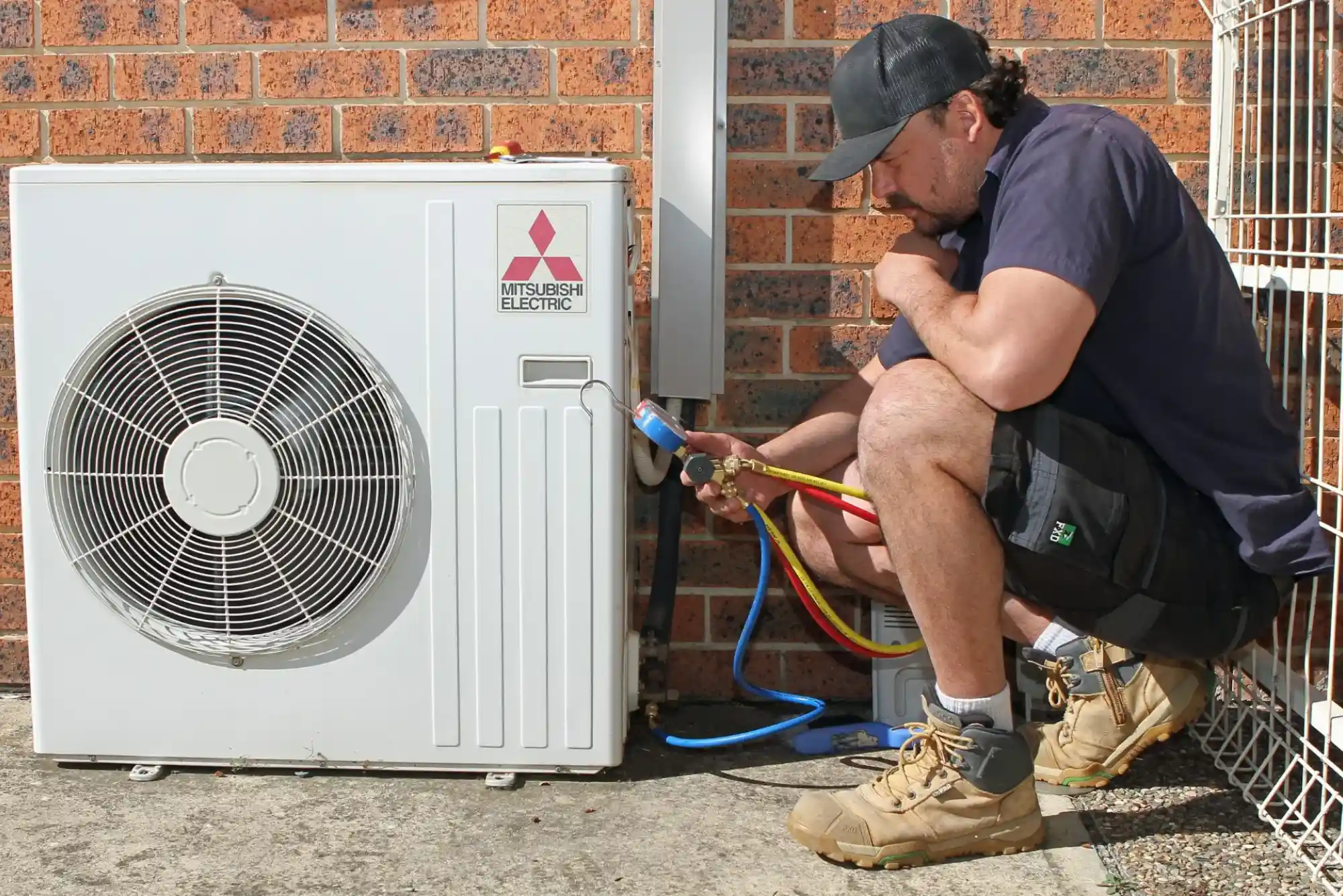
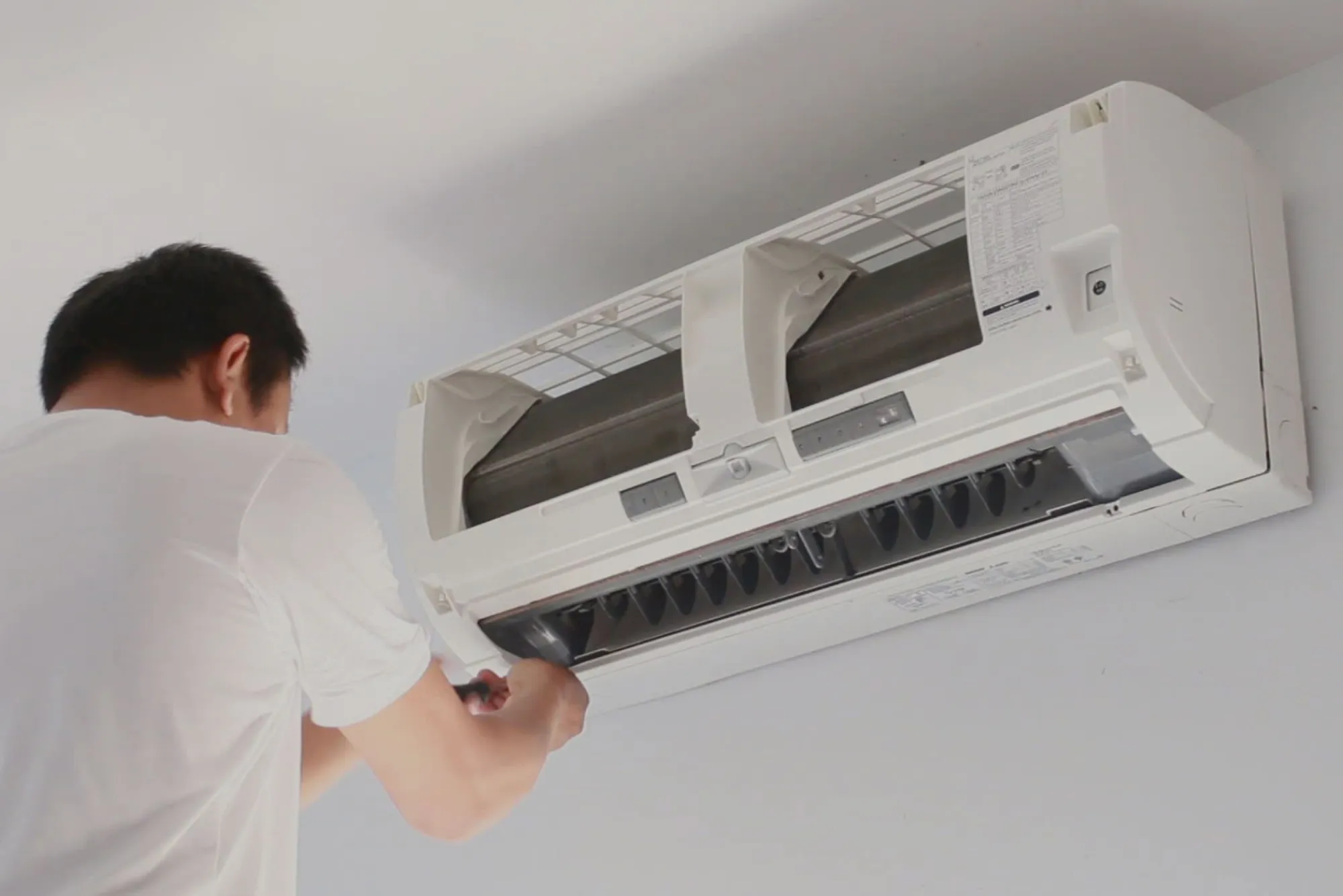
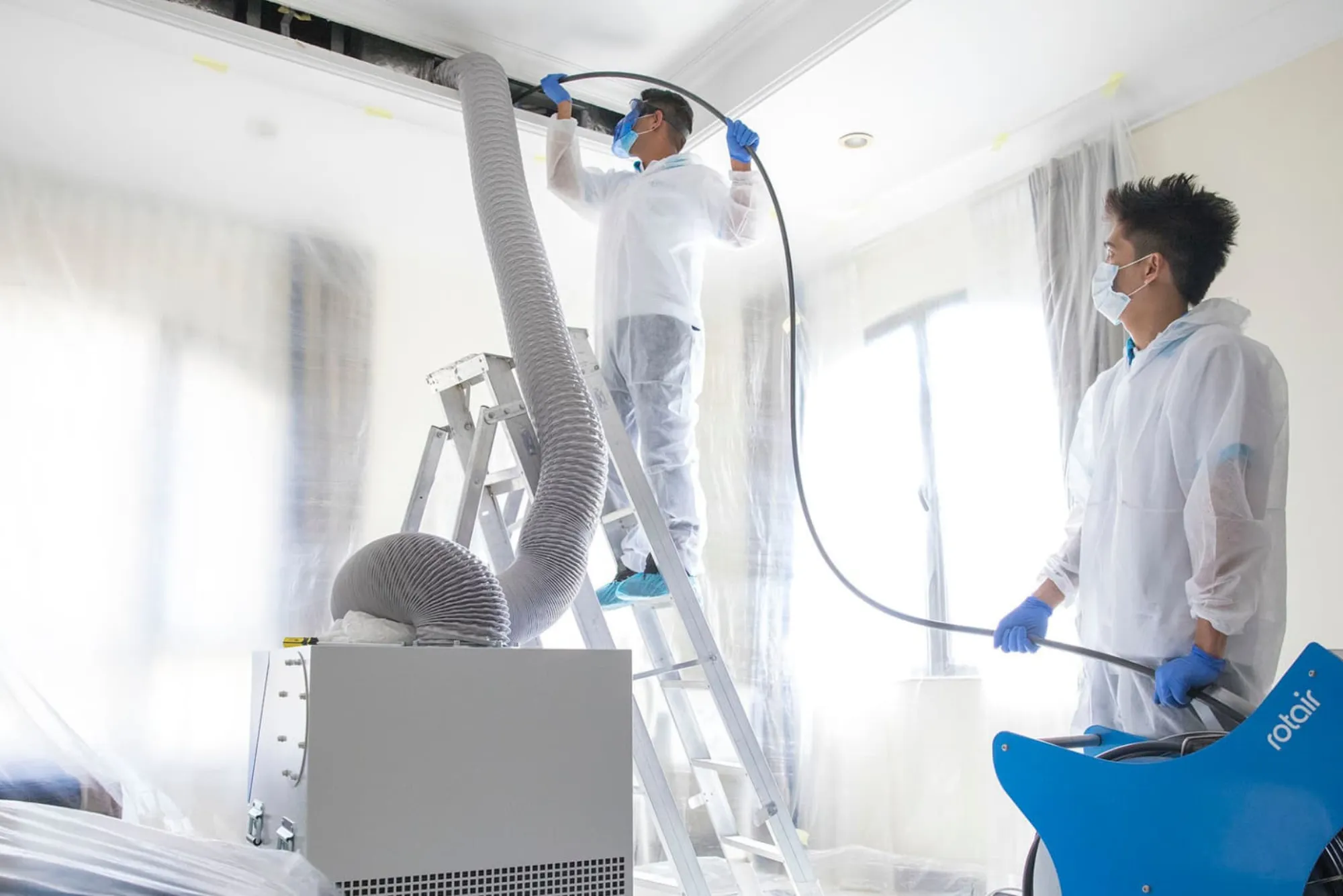
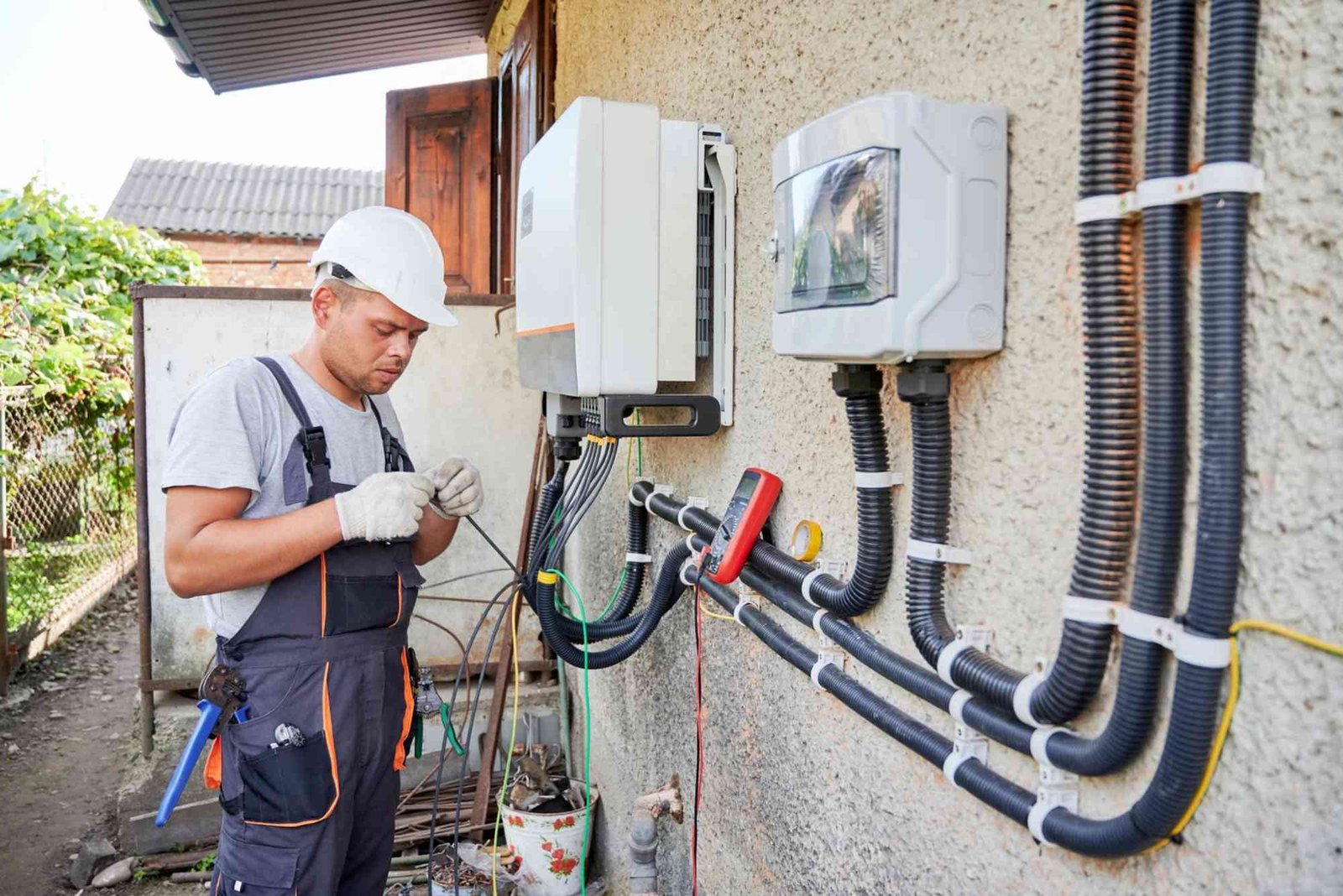
Key maintenance activities include cleaning ducts, checking electrical components, inspecting coils, and ensuring proper airflow. In a busy area like MM Alam Road, where systems are under constant load, preventive maintenance plays a crucial role in avoiding unexpected disruptions.
Addressing Air Quality in Urban Settings
Beyond temperature control, central air conditioning systems also influence indoor air quality. In areas with heavy traffic and pollution, maintaining clean and filtered air is essential.
Proper filtration and regular system cleaning help remove dust and contaminants, creating a healthier indoor environment. This is particularly important for restaurants, offices, and retail spaces where customer comfort and employee well-being are priorities.
Enhancing Comfort for Customers and Staff
Comfort is a key factor in the success of businesses located on MM Alam Road. A well-regulated indoor climate encourages customers to spend more time in retail spaces and enhances the overall experience.
For offices, consistent cooling improves employee productivity and reduces fatigue. Central air conditioning systems, when properly managed, create a stable and comfortable environment that supports both business operations and customer satisfaction.
Adapting to Seasonal Demands
Lahore’s climate varies significantly throughout the year, with extremely hot summers placing heavy demands on cooling systems. Central air conditioning systems must be capable of handling peak loads without compromising performance.
Seasonal adjustments, including system tuning and performance checks, ensure that the system operates efficiently during high-demand periods. This proactive approach helps maintain reliability and prevents unexpected breakdowns.
Supporting Large-Scale Commercial Operations
Businesses operating on MM Alam Road often require scalable solutions that can accommodate growth and changing needs. Centralized systems offer flexibility, allowing for expansion or modification as required.
Whether it involves adding new zones, upgrading system capacity, or integrating advanced controls, these systems can be adapted to meet evolving requirements without major structural changes.
Key Factors for Optimal System Performance
To maintain efficient and reliable operation, several factors must be considered:
- Proper system sizing based on building load
- Balanced airflow distribution across all zones
- Regular inspection of electrical and mechanical components
- Clean and well-maintained ducting systems
- Accurate temperature control and calibration
Focusing on these elements ensures that the system continues to deliver consistent performance in demanding environments.
FAQs
What makes central air conditioning suitable for MM Alam Road properties?
It provides uniform cooling across large commercial spaces, making it ideal for offices, restaurants, and retail outlets with high occupancy.
How often should central AC systems be maintained?
Regular maintenance is recommended at least twice a year to ensure optimal performance and prevent unexpected issues.
Can central air conditioning reduce energy costs?
When properly maintained and optimized, these systems can be more energy-efficient than multiple standalone units.
Is central cooling suitable for residential apartments in this area?
Yes, it offers consistent temperature control and improved comfort, especially in larger or multi-room apartments.
How does central AC improve indoor air quality?
Through filtration and controlled airflow, it helps remove dust and pollutants, creating a cleaner indoor environment.