Raiwind Road Lahore has rapidly developed into one of the city’s expanding residential and commercial corridors. From housing societies and educational institutions to restaurants, offices, warehouses, and commercial plazas, the area continues to experience steady infrastructure growth. With this expansion comes a rising demand for properly designed ducting and ventilation systems that can support comfortable, healthy, and energy-efficient indoor environments.
Modern buildings along Raiwind Road often rely heavily on enclosed indoor spaces, making air circulation and ventilation essential rather than optional. Without a properly planned airflow system, properties can face issues such as uneven cooling, poor air quality, humidity buildup, and increased energy consumption. Ducting and ventilation services play a critical role in maintaining indoor comfort while supporting the long-term performance of HVAC systems.
The Role of Ventilation in Everyday Building Performance
Ventilation systems are responsible for maintaining healthy air exchange inside a building. In densely occupied spaces, indoor air can quickly become stale due to trapped heat, humidity, dust particles, and pollutants. Proper ventilation ensures that fresh air circulates consistently while contaminated air is safely removed.
On Raiwind Road, this becomes especially important for commercial properties where customer comfort and workplace conditions directly affect operations. Restaurants require exhaust and airflow systems to manage heat and smoke, while offices and educational facilities depend on stable indoor air quality to create productive environments.
Residential properties also benefit from efficient ventilation, particularly in kitchens, bathrooms, basements, and enclosed rooms where moisture accumulation can lead to discomfort and structural issues.
Understanding Ducting Systems in HVAC Infrastructure
Ducting is the backbone of centralized airflow systems. It distributes conditioned air evenly throughout a property while supporting balanced temperature control across different areas.
In modern developments along Raiwind Road, ducting systems are commonly integrated into central air conditioning setups, commercial HVAC networks, and ventilation installations. Proper duct design ensures that airflow reaches every section efficiently without placing unnecessary strain on cooling equipment.
Poorly installed ducts can create pressure imbalances, energy losses, excessive noise, and inconsistent indoor temperatures. For this reason, professional planning and installation are essential for maintaining long-term system efficiency.
Common Airflow Challenges in Raiwind Road Properties
Buildings in this area often encounter unique environmental and structural challenges that affect airflow performance. Rapid construction activity, road dust, and varying building layouts can influence how ventilation systems function.
Some common issues include restricted airflow, uneven cooling between rooms, excessive indoor humidity, and poorly ventilated commercial kitchens or office spaces. In larger buildings, improperly sized duct systems may also struggle to maintain consistent circulation across multiple floors or zones.
Addressing these challenges requires customized ducting and ventilation solutions based on the building’s design, occupancy level, and operational requirements.
Importance of Proper Air Distribution
Balanced air distribution is essential for maintaining indoor comfort. If airflow is uneven, certain rooms may remain warmer while others become excessively cool. This imbalance can increase energy consumption and reduce overall HVAC efficiency.
Proper duct layout and ventilation planning help ensure that conditioned air is distributed evenly throughout the property. In offices and commercial plazas on Raiwind Road, this consistency improves comfort for both employees and visitors. In residential settings, it enhances daily living conditions by maintaining stable indoor temperatures.
Ventilation Requirements for Commercial Properties
Commercial buildings along Raiwind Road often have higher ventilation demands due to continuous occupancy and equipment usage. Restaurants, retail outlets, gyms, and office spaces generate heat and airborne contaminants that require efficient exhaust and fresh air systems.
Ventilation solutions in such properties may include exhaust ducts, fresh air supply systems, smoke ventilation, and heat extraction setups. Proper airflow management helps maintain comfortable indoor conditions while supporting hygiene and operational efficiency.
Commercial properties also benefit from controlled ventilation because it reduces strain on air conditioning systems and improves energy management.
Residential Ducting Considerations
Residential projects on Raiwind Road have increasingly shifted toward modern construction styles that incorporate concealed ducting and centralized cooling systems. These installations require careful planning to ensure proper airflow without compromising interior aesthetics.
Homeowners often require ventilation systems for kitchens, bathrooms, and living areas where airflow can become restricted. Efficient duct placement improves indoor comfort while minimizing operational noise and energy wastage.
For larger homes and villas, zoning systems can also be integrated into duct networks to allow better control over temperature distribution across different sections of the property.
Indoor Air Quality and Environmental Comfort
Air quality has become an increasingly important concern in urban environments. Dust, humidity, and limited natural ventilation can significantly affect indoor conditions if airflow systems are not properly maintained.
Ventilation systems help remove airborne particles, odors, and excess moisture while improving oxygen circulation indoors. This creates a healthier environment for occupants, particularly in offices, healthcare spaces, and residential properties.
On Raiwind Road, where ongoing development and traffic can contribute to airborne dust, efficient ventilation systems are essential for maintaining clean and breathable indoor air.
Energy Efficiency Through Optimized Airflow
Well-designed ducting systems contribute significantly to energy efficiency. When airflow moves smoothly through properly sealed ducts, HVAC systems can operate with less strain and lower energy consumption.
Leaks, poor insulation, or improper duct sizing can force cooling systems to work harder than necessary. Over time, this not only increases operational costs but also shortens equipment lifespan.
Optimized airflow management helps properties maintain comfortable temperatures while reducing unnecessary energy waste. This is particularly beneficial for commercial buildings operating for long hours each day.
Ventilation Planning for New Construction Projects
Raiwind Road continues to see substantial growth in residential societies, educational campuses, and commercial developments. Integrating ducting and ventilation systems during the construction phase allows for better performance and long-term efficiency.
Proper planning considers airflow paths, ceiling structures, equipment positioning, and occupancy requirements. Early integration also minimizes future modifications and ensures that systems align with the building’s architectural design.
New construction projects often benefit from customized ventilation layouts that improve indoor comfort while supporting scalable HVAC performance.
Maintaining Ventilation System Performance
Over time, ventilation systems require regular inspection and maintenance to continue operating effectively. Dust accumulation, blocked ducts, and worn components can reduce airflow efficiency and compromise indoor air quality.
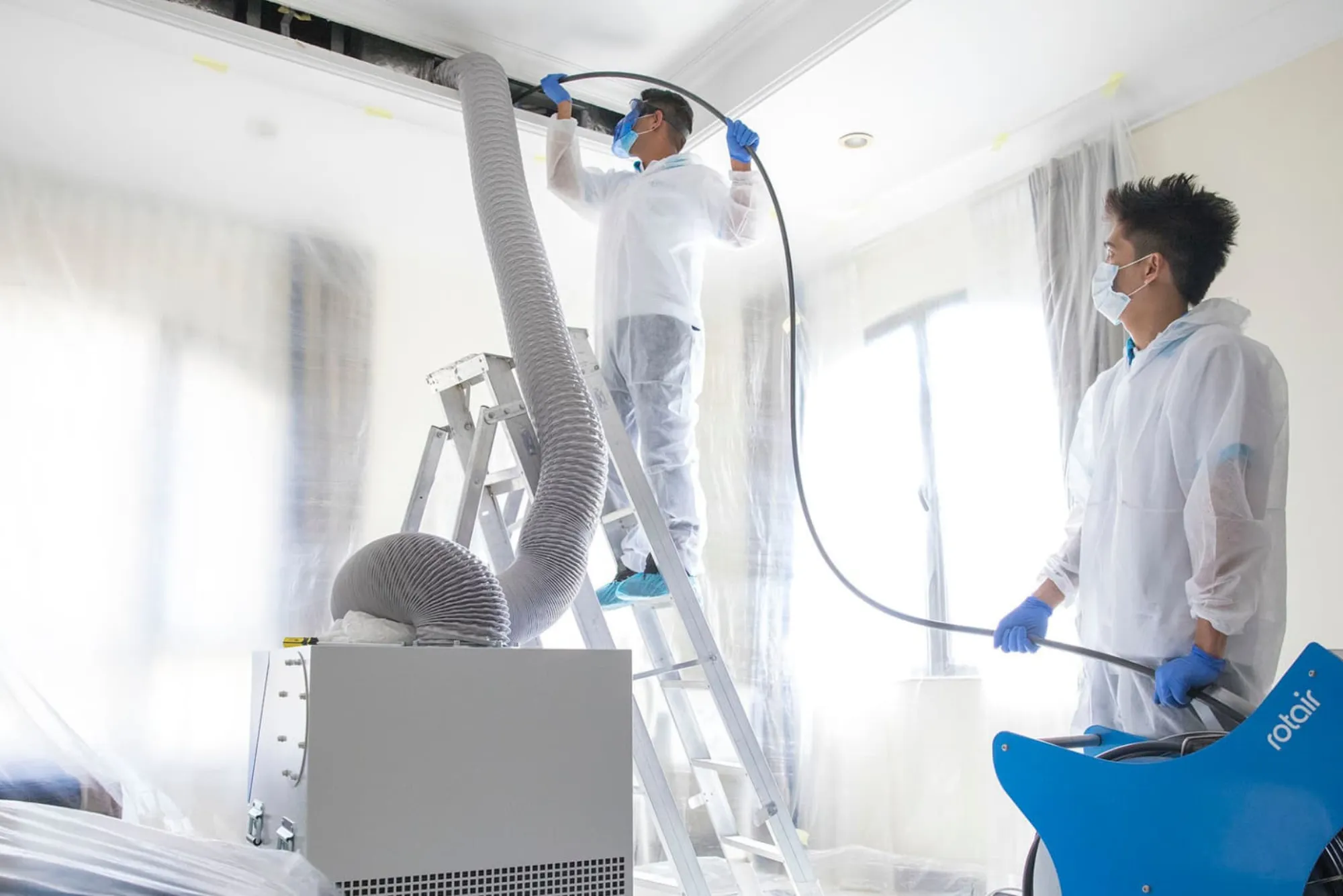
Maintenance services typically involve cleaning duct interiors, checking airflow balance, inspecting insulation, and evaluating fan performance. For commercial kitchens and industrial spaces, exhaust systems also require periodic cleaning to maintain proper heat and smoke extraction.
Routine maintenance helps prevent airflow restrictions while extending the life of ventilation infrastructure.
Noise Reduction and Airflow Stability
One often overlooked aspect of ducting systems is acoustic performance. Poorly designed ducts can create vibrations, airflow turbulence, and operational noise that affects indoor comfort.
Professional ducting solutions include proper insulation, secure fittings, and airflow balancing techniques to minimize noise levels. In offices, conference rooms, and residential properties, quieter ventilation systems contribute to a more comfortable environment.
Maintaining stable airflow also prevents sudden pressure changes that can affect system efficiency and occupant comfort.
Adapting Ventilation to Different Building Sizes
Every property has unique airflow requirements depending on its size and usage. A small retail outlet requires a different ventilation strategy compared to a multi-story office building or a warehouse facility.
Ducting systems must be carefully designed according to room dimensions, occupancy levels, equipment heat generation, and airflow demand. Customized planning ensures that each area receives sufficient ventilation without overloading the system.
This flexibility allows properties on Raiwind Road to maintain efficient airflow regardless of their structural complexity.
Supporting Long-Term HVAC Performance
Ventilation and ducting systems directly influence the performance of air conditioning infrastructure. When airflow is restricted or poorly balanced, HVAC systems experience increased strain and reduced efficiency.
Proper duct management supports smoother operation by allowing conditioned air to circulate effectively throughout the building. This reduces wear on compressors, fans, and cooling components while improving overall system reliability.
For commercial properties with centralized cooling systems, efficient ducting is especially important for maintaining stable performance during peak operational hours.
Key Components Included in Ducting & Ventilation Services
Ducting and ventilation solutions typically involve multiple technical elements working together to maintain proper airflow and indoor comfort:
- Fresh air ventilation systems
- Exhaust and smoke extraction setups
- HVAC duct fabrication and installation
- Air balancing and airflow optimization
- Kitchen ventilation and exhaust ducts
- Insulated ducting systems
- Ventilation maintenance and cleaning
Each component contributes to maintaining a healthier and more efficient indoor environment.
Addressing Urban Infrastructure Demands
As Raiwind Road continues to expand, building systems must adapt to changing infrastructure demands. Increased occupancy, larger commercial developments, and evolving construction styles require ventilation systems capable of supporting modern operational needs.
Professional ducting and airflow planning help buildings remain functional, comfortable, and energy-efficient even as environmental conditions and usage patterns evolve.
Integrating Ventilation with Overall Building Operations
Ventilation systems function best when integrated with the broader building infrastructure. HVAC units, electrical systems, and interior layouts all influence airflow performance.
Coordinated planning ensures that ventilation works harmoniously with cooling systems and occupancy requirements. This integrated approach improves operational efficiency while creating more comfortable indoor spaces for residents, employees, and visitors alike.
FAQs
Why is proper ventilation important in commercial buildings?
It helps maintain indoor air quality, regulates temperature, and removes excess heat, smoke, and airborne pollutants.
Can poor ducting affect cooling performance?
Yes, poorly designed or leaking ducts can reduce airflow efficiency and create uneven cooling throughout the property.
How often should ventilation systems be inspected?
Commercial systems should ideally be inspected periodically to ensure proper airflow and system cleanliness.
Are ducting systems suitable for residential properties?
Yes, modern homes often use ducted airflow systems for centralized cooling and improved indoor comfort.
Does ventilation maintenance improve energy efficiency?
Regular cleaning and airflow balancing help HVAC systems operate more efficiently, reducing unnecessary energy consumption.