Raiwind Road Lahore has transformed into one of the city’s fastest-growing residential and commercial corridors. With the rise of housing societies, apartment complexes, educational institutions, offices, restaurants, and retail spaces, the demand for dependable cooling systems has increased significantly across the area.
Properties located along Raiwind Road often face intense heat exposure during the summer months, making properly installed air conditioning systems essential for indoor comfort. Whether it is a newly constructed home, a commercial plaza, or an office environment, the efficiency of an AC system depends heavily on the quality of its installation.
A properly planned setup ensures balanced cooling, lower energy consumption, and long-term operational reliability, especially in areas where systems are expected to perform continuously throughout the season.
Understanding the Importance of Proper AC Installation
Installing an air conditioning system involves far more than mounting indoor and outdoor units. It requires careful planning, technical evaluation, and precise execution to ensure the system performs efficiently under real operating conditions.
On Raiwind Road, many properties vary in design, room dimensions, ventilation patterns, and electrical infrastructure. Because of this, installation methods must be adjusted according to the environment of each property rather than following a generic approach.
Incorrect installation can result in airflow restrictions, drainage issues, cooling imbalance, and unnecessary strain on the compressor. A professionally managed installation minimizes these risks and helps the system operate efficiently from the beginning.
Cooling Requirements in Residential Properties
Residential buildings in Raiwind Road Lahore range from compact apartments to large independent houses. Each property type has different cooling needs depending on room size, occupancy, insulation, and sunlight exposure.
Apartment and Small Home Installations
Smaller residential units often require strategic indoor unit placement to maximize airflow without consuming excessive power. Proper positioning helps distribute cool air evenly while reducing stress on the system.
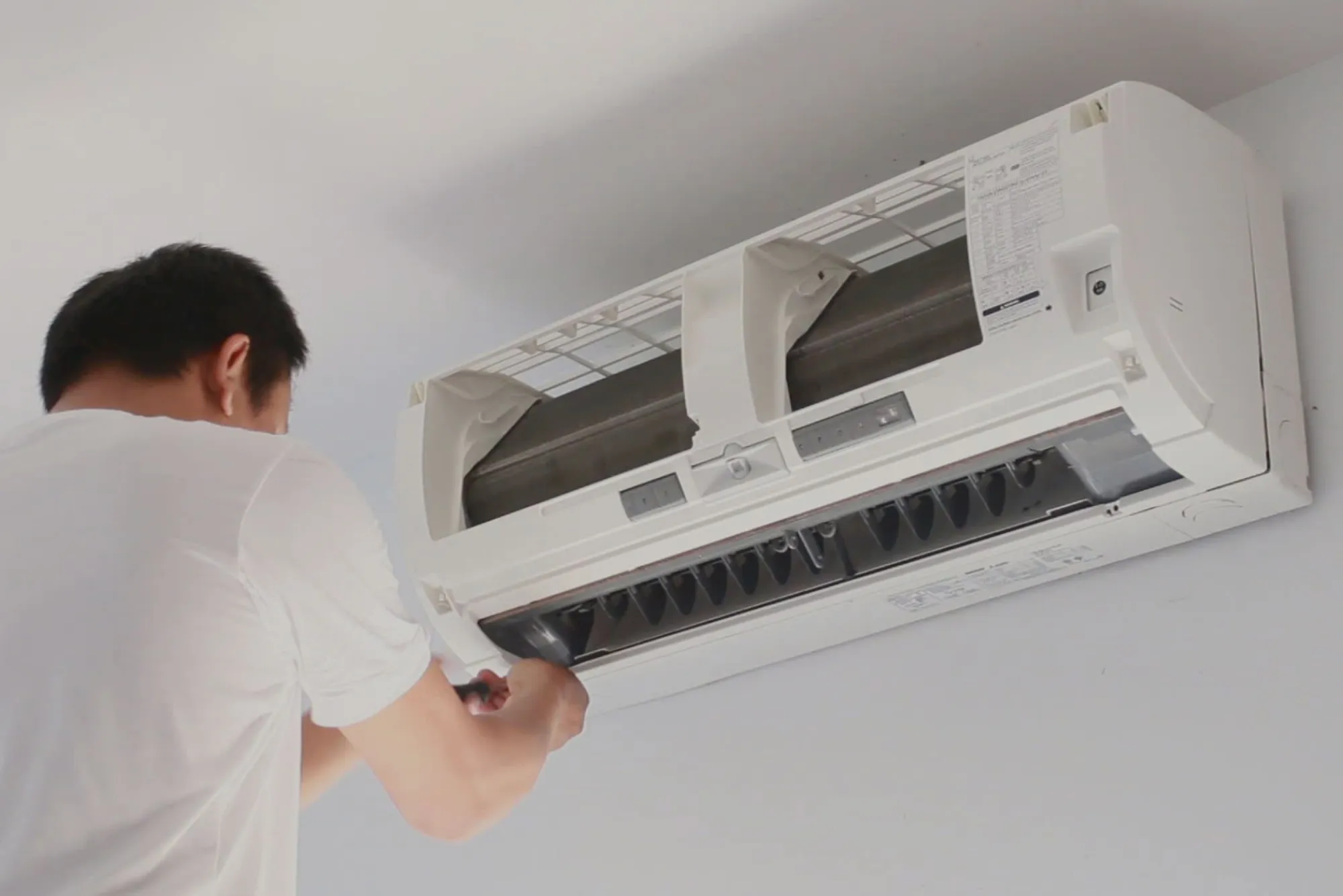
Technicians also evaluate wall strength, piping routes, and drainage alignment to ensure that the installation remains secure and visually organized.
Cooling Solutions for Larger Houses
Larger homes along Raiwind Road frequently require multiple cooling zones to maintain consistent indoor temperatures. Installation planning in such properties involves balancing airflow between rooms and selecting suitable locations for outdoor units to improve ventilation and maintenance accessibility.
This approach helps achieve stable cooling performance across different sections of the property without overloading the system.
Installation Considerations for Commercial Spaces
Commercial properties have different operational requirements compared to residential buildings. Offices, restaurants, retail outlets, and educational facilities along Raiwind Road often require systems capable of handling extended working hours and fluctuating occupancy levels.
Proper AC installation in commercial spaces involves evaluating airflow circulation, electrical load handling, and indoor comfort distribution. In offices, cooling must remain consistent throughout working areas, while restaurants and retail spaces require systems that maintain comfortable temperatures despite constant door movement and customer traffic.
These environments also demand efficient ventilation planning to maintain indoor air quality while supporting cooling performance.
Electrical Preparation Before Installation
One of the most important aspects of AC installation is ensuring that the electrical infrastructure can safely support the system. Many older buildings near Raiwind Road may not have been originally designed for modern cooling loads.
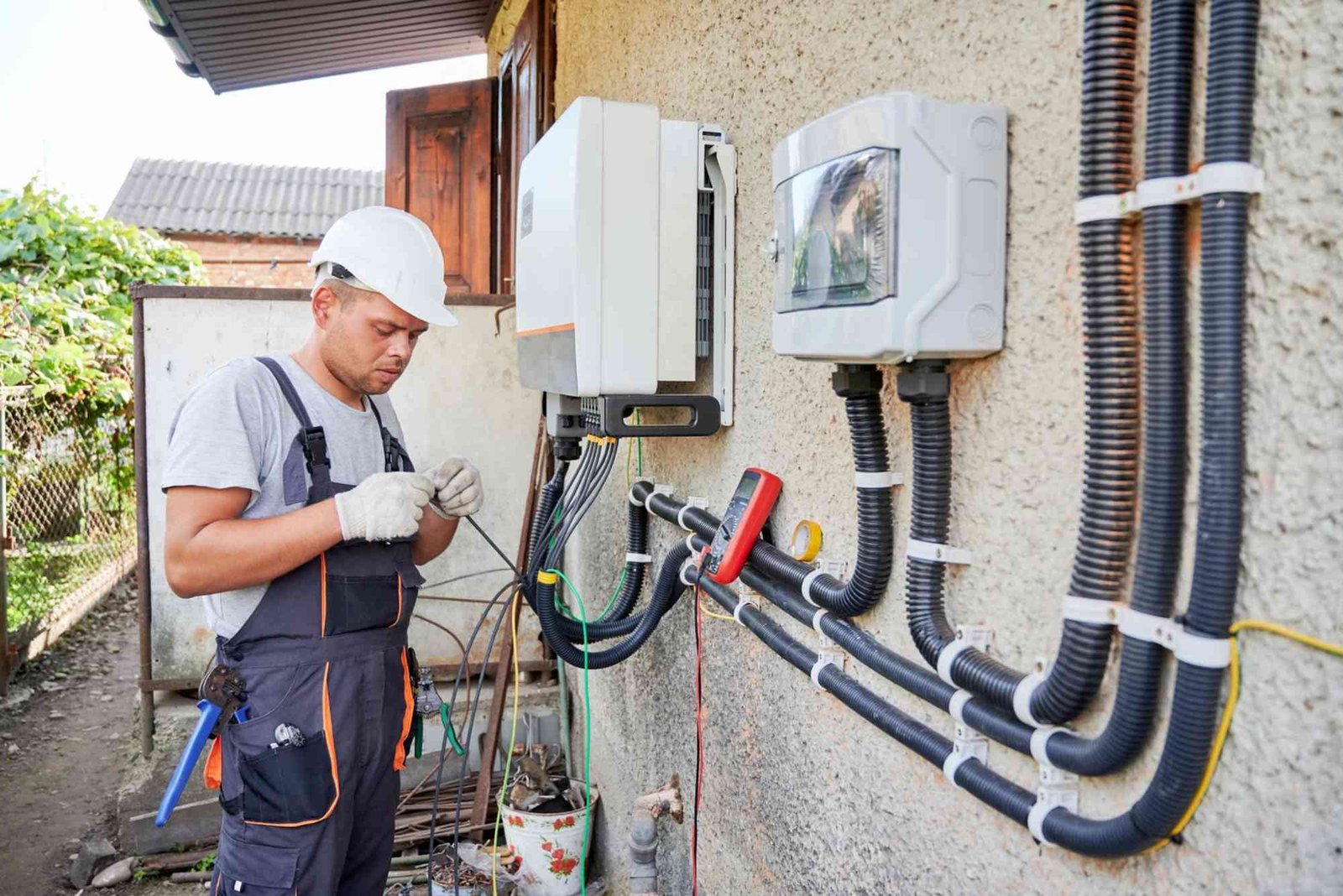
Technicians inspect voltage stability, wiring conditions, breaker compatibility, and power distribution before installation begins. This step helps prevent future electrical faults and protects sensitive components from damage caused by unstable power supply.
Dedicated electrical connections are often recommended for larger units or commercial systems to ensure safe and uninterrupted operation.
Selecting the Right Placement for Indoor and Outdoor Units
Correct positioning directly affects cooling efficiency, energy usage, and long-term performance.
Indoor units must be installed in areas where airflow can circulate freely without obstruction from furniture, partitions, or decorative structures. Placement also considers sunlight exposure and room layout to avoid uneven cooling.
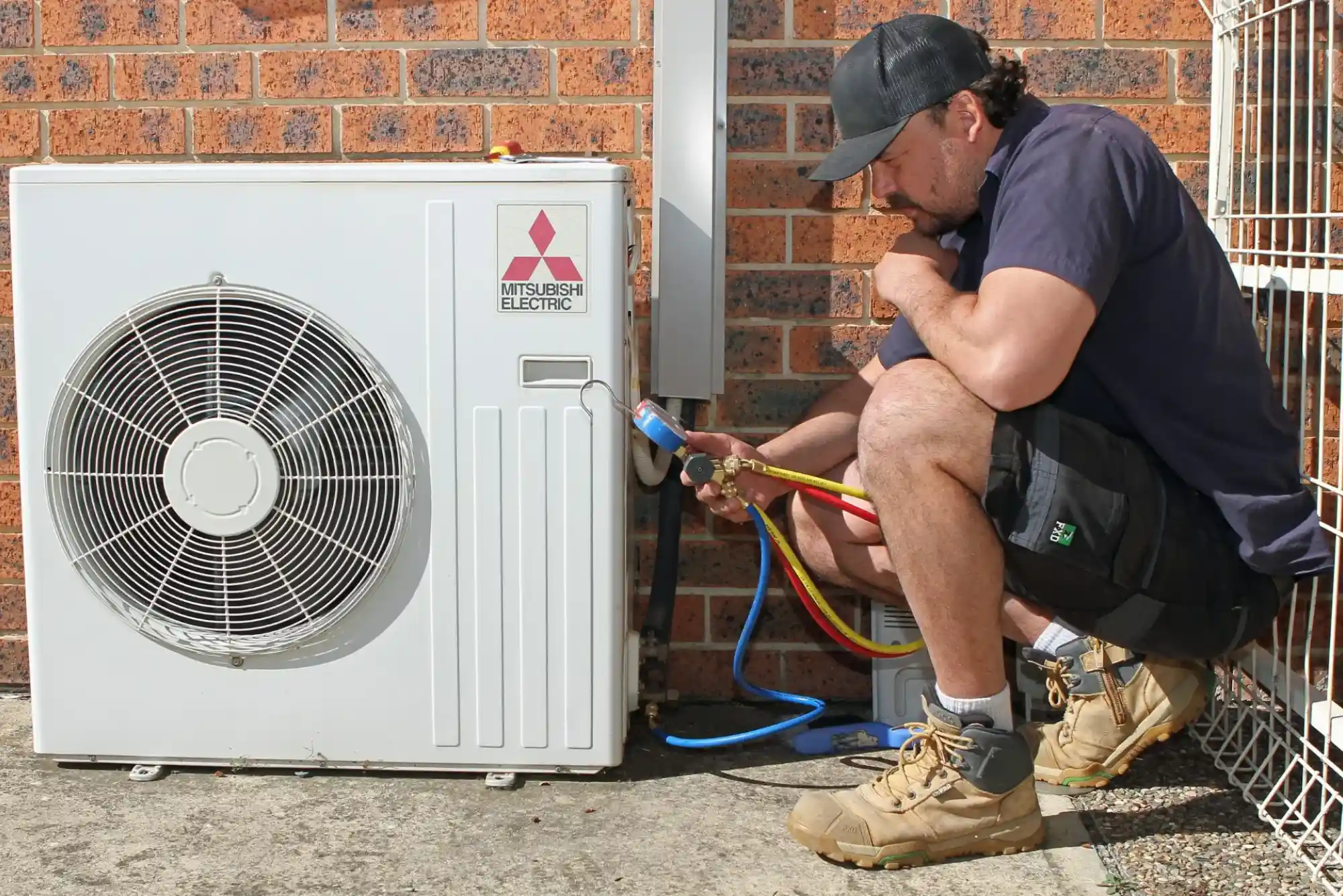
Outdoor units require sufficient ventilation space to release heat efficiently. On Raiwind Road, where some buildings have limited outdoor access or compact balconies, technicians must carefully select installation positions that support airflow while remaining accessible for maintenance.
Improper placement can reduce cooling efficiency and increase wear on the compressor over time.
Drainage Planning and Water Flow Management
Condensation drainage is another critical part of air conditioning installation. Poor drainage planning can lead to water leakage, wall damage, and indoor moisture problems.
Installation teams ensure that drainage pipes maintain proper slope alignment and are positioned to allow smooth water flow. In apartments and upper-floor properties, drainage routing becomes even more important to avoid water accumulation or leakage into adjacent areas.
Professional planning prevents long-term structural issues while keeping the installation clean and functional.
Managing Installation in Newly Constructed Buildings
Many new residential and commercial developments continue to emerge along Raiwind Road Lahore. Installing AC systems in newly constructed properties presents different challenges compared to older buildings.
Coordination with Interior Layouts
New properties often include modern ceiling designs, concealed wiring systems, and customized interior finishes. AC installation must align with these features without affecting aesthetics or structural integrity.
Technicians coordinate piping routes and electrical pathways carefully to maintain a neat appearance while ensuring future accessibility for servicing.
Supporting Energy-Efficient Building Designs
Modern construction projects increasingly focus on energy efficiency. Proper AC installation contributes significantly to maintaining these efficiency goals by minimizing cooling loss and optimizing airflow.
Correctly sealed piping, insulated copper lines, and balanced airflow setups help reduce unnecessary energy consumption while improving overall performance.
Airflow Optimization for Better Cooling Distribution
Efficient airflow is essential for maintaining stable indoor temperatures. Poor installation can create uneven cooling, leaving certain rooms warmer than others.
Installation specialists evaluate room dimensions, ceiling height, and occupancy patterns to improve airflow circulation. This is particularly important in offices and larger homes where multiple areas rely on a single cooling system.
Balanced airflow helps reduce strain on the system while improving indoor comfort across the property.
Adapting Installations to Raiwind Road’s Expanding Infrastructure
Raiwind Road features a wide range of building styles, from gated residential communities to busy commercial plazas. Each structure presents unique installation requirements.
In densely developed areas, technicians often work within limited outdoor spaces and shared wall structures. Installation methods must adapt to these conditions without compromising cooling efficiency or future maintenance access.
The growing infrastructure of the area also means that many properties are expanding or renovating existing spaces. AC installation planning must account for future modifications to ensure long-term compatibility.
The Role of Ventilation in Cooling Performance
Air conditioning systems rely heavily on proper ventilation for effective operation. Without sufficient airflow around indoor and outdoor units, cooling efficiency can decline rapidly.
Installation services include evaluating ventilation pathways, especially in enclosed balconies, office partitions, and commercial interiors. Ensuring adequate air circulation helps maintain stable temperatures and prevents excessive heat buildup around outdoor units.
This is particularly important in urban areas where construction density limits natural ventilation.
Installation Support for Multi-Unit Systems
Many commercial buildings and larger homes along Raiwind Road use multiple indoor units connected to centralized outdoor systems. These setups require advanced planning and accurate technical execution.
Proper installation ensures that refrigerant flow remains balanced across all connected units while maintaining consistent cooling performance. Piping routes, electrical coordination, and load balancing must all be managed carefully to prevent future operational issues.
This type of installation requires detailed technical understanding to ensure reliable long-term performance.
Reducing Long-Term Maintenance Issues Through Correct Installation
Many common AC problems originate from improper installation rather than equipment failure. Loose connections, poor drainage alignment, incorrect refrigerant charging, and weak mounting structures can all create recurring issues.
Professional installation reduces the likelihood of premature wear and system inefficiency. Properly installed systems are easier to maintain, operate more efficiently, and experience fewer performance interruptions over time.
This proactive approach helps property owners avoid repeated repair expenses and operational inconvenience.
Indoor Comfort and Air Quality Considerations
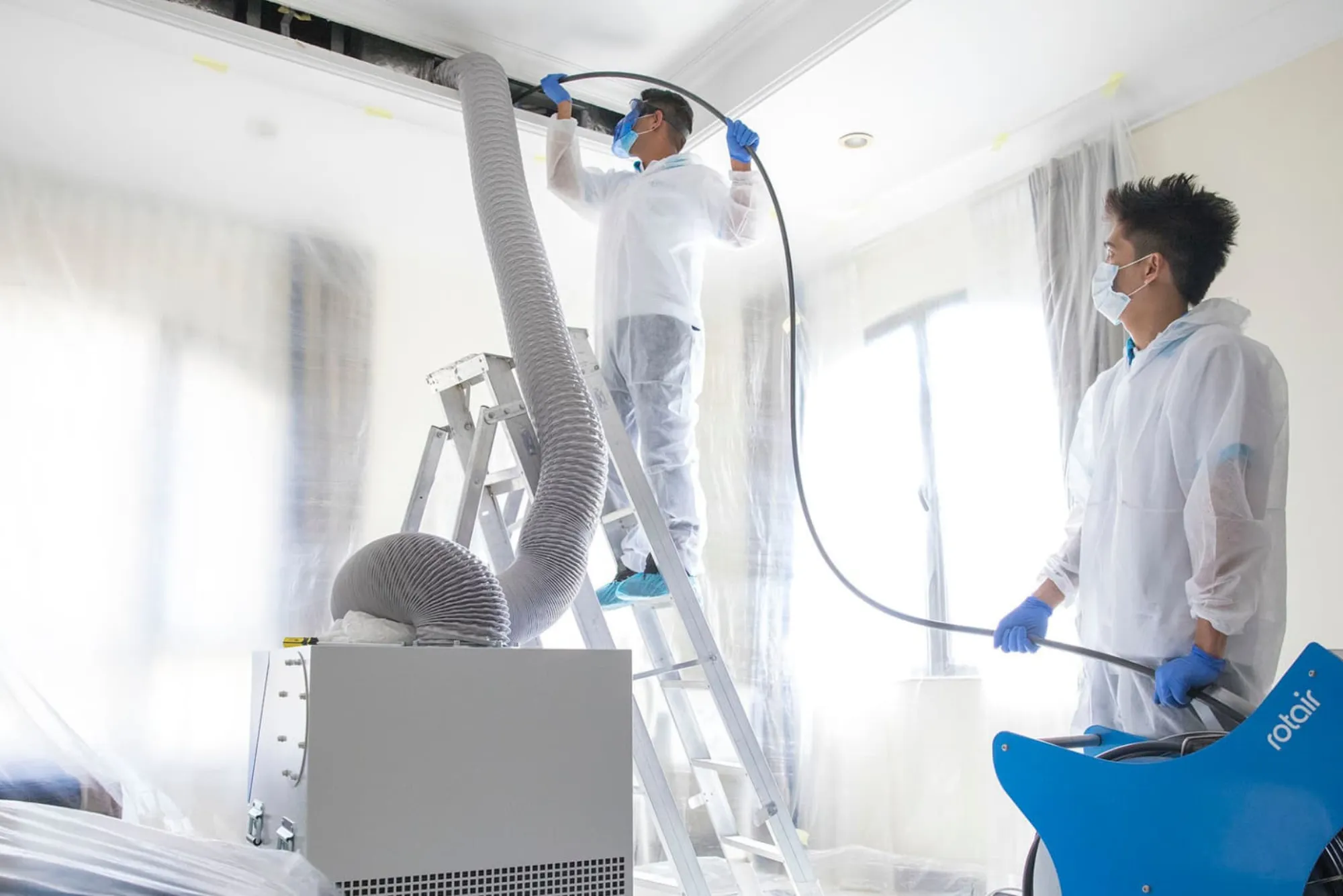
Beyond temperature control, installation quality also affects indoor air quality. Properly aligned airflow and sealed duct connections help minimize dust circulation and maintain healthier indoor conditions.
This is especially important in commercial spaces and residential environments where occupants spend extended periods indoors. Reliable airflow management supports better comfort while improving the overall indoor environment.
Technical Precision in Modern Cooling Installations
Today’s cooling systems require greater technical precision than older models. Advanced features, inverter technologies, and multi-zone systems demand careful calibration during installation.
Technicians working in Raiwind Road Lahore must account for electrical compatibility, airflow efficiency, refrigerant balancing, and structural limitations simultaneously. Attention to these technical details ensures that systems perform smoothly under daily operational demands.
Supporting Long-Term Property Performance
A professionally installed cooling system contributes to the overall functionality and efficiency of the property. Whether for residential comfort or commercial productivity, stable indoor temperatures improve daily operations and occupant satisfaction.
In high-growth areas like Raiwind Road, where modern infrastructure continues to expand, properly installed AC systems support long-term property usability while maintaining consistent cooling performance throughout the year.
FAQs
How long does a standard AC installation take?
Most residential installations are completed within a few hours, depending on property layout and system requirements.
Does installation quality affect cooling performance?
Yes, proper installation directly impacts airflow, energy efficiency, and long-term system reliability.
Can AC systems be installed in newly constructed buildings?
Yes, installation planning can be integrated with modern interiors and concealed utility layouts.
Why is outdoor unit placement important?
Correct outdoor positioning improves ventilation, cooling efficiency, and future maintenance access.
Do commercial spaces require different installation methods?
Yes, commercial properties often need larger capacity systems, airflow balancing, and advanced electrical planning.