Garden Town Lahore is a mature and centrally located area with a mix of residential houses, educational institutions, clinics, and commercial offices. Due to its dense infrastructure and active daily routines, maintaining consistent indoor comfort is essential. Central air conditioning systems are increasingly preferred in this locality for their ability to deliver uniform cooling across larger spaces.
Unlike standalone units, centralized cooling setups are designed to manage temperature efficiently throughout entire buildings. In Garden Town, where many properties have multiple rooms and interconnected spaces, this type of system supports both comfort and operational efficiency.
How Centralized Cooling Fits Garden Town Properties
Buildings in Garden Town often include spacious homes, offices with multiple departments, and commercial outlets that require balanced temperature control. Central air conditioning systems are ideal in such environments because they distribute air evenly through duct networks or centralized units.
For residential properties, this means consistent cooling across bedrooms, living areas, and upper floors without relying on multiple split units. For offices and clinics, it ensures a comfortable environment for staff and visitors while maintaining a professional atmosphere.
This system also reduces visible equipment clutter, which is particularly beneficial in well-designed interiors commonly found in Garden Town.
System Design and Installation Considerations
Central air conditioning requires careful planning to match the structure and usage of a building. Each property in Garden Town has unique architectural features, which makes customized system design essential.
Factors such as room size, insulation, airflow patterns, and usage frequency are considered during system planning. Proper duct placement, equipment sizing, and load calculation ensure that the system performs efficiently without overloading or underperforming.
A well-installed system not only improves cooling but also reduces energy consumption and operational noise.
Core Components That Drive System Performance
Central air conditioning systems consist of multiple interconnected components that work together to maintain indoor comfort. Each component must function correctly to ensure overall system efficiency.
Key elements include:
- Air handling units for distributing conditioned air
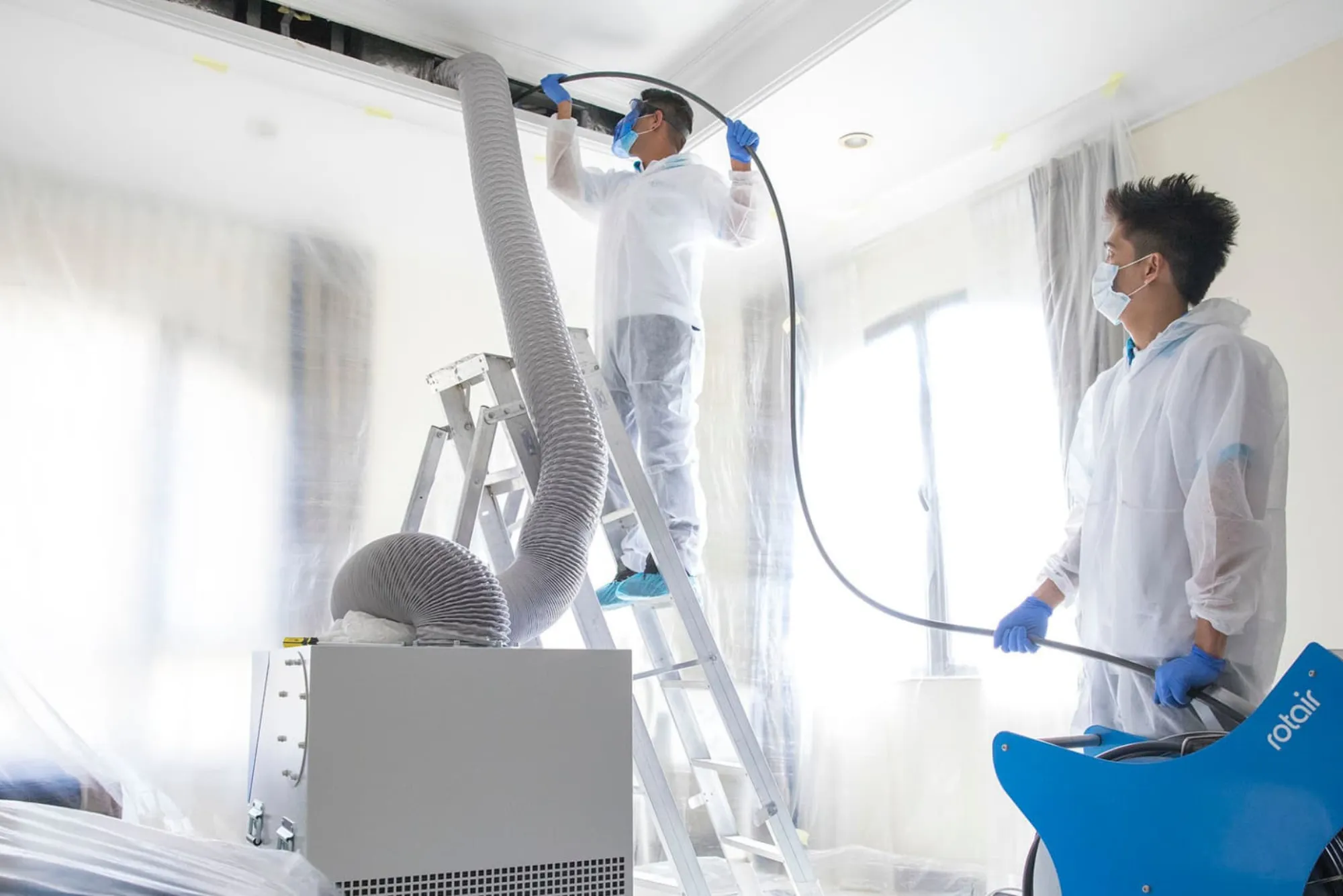
- Ductwork systems for airflow management
- Thermostats and control systems for temperature regulation
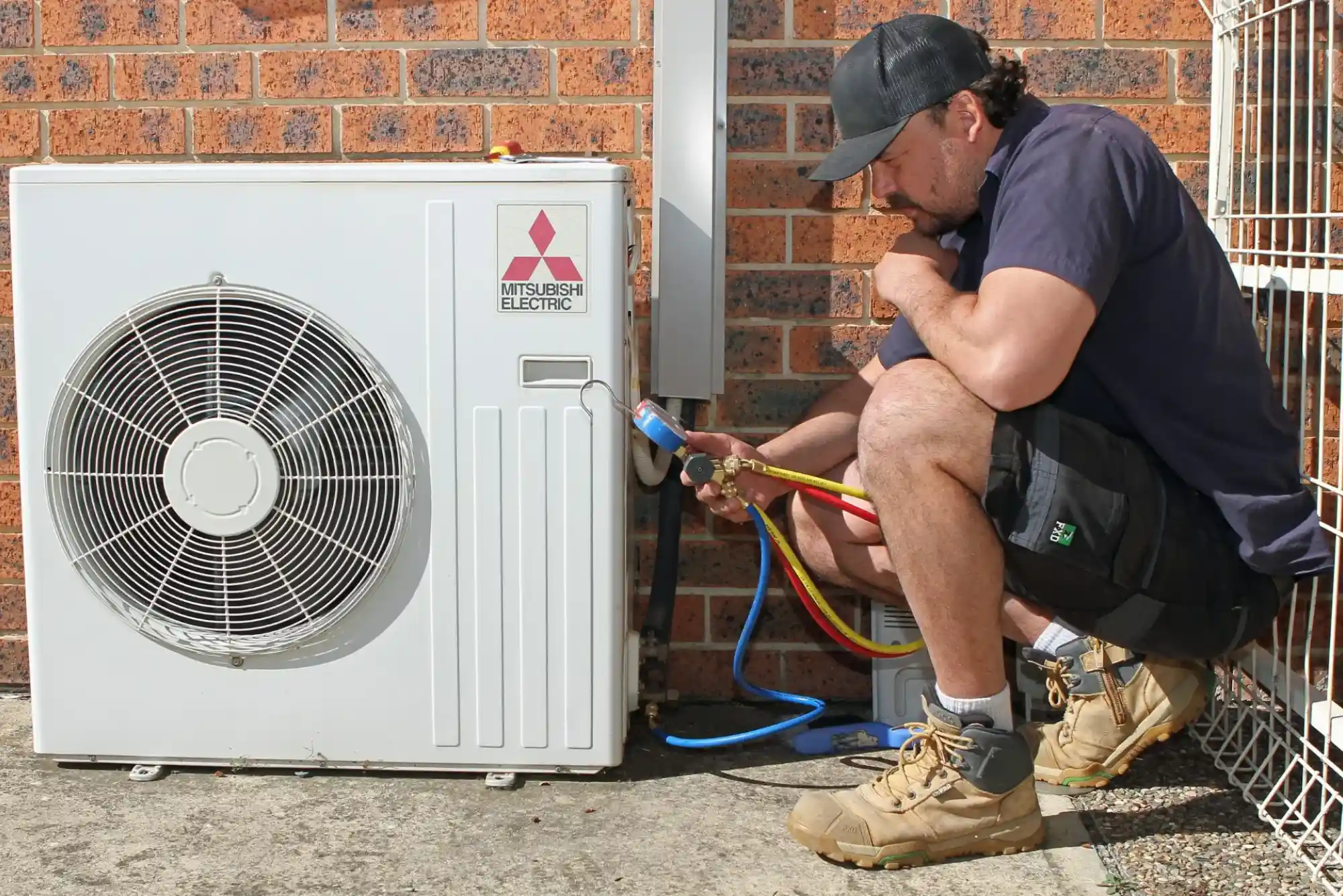
- Outdoor condenser units for heat exchange
- Filters and ventilation components for air quality
Regular inspection of these components ensures smooth operation and prevents performance issues over time.
Energy Efficiency in High-Demand Urban Settings
In a locality like Garden Town Lahore, where energy consumption is a growing concern, efficient cooling systems play a vital role. Central air conditioning systems, when properly maintained, consume less energy compared to running multiple independent units.
They are designed to optimize airflow and maintain consistent temperatures, which reduces unnecessary energy usage. For homes, this means lower electricity bills. For commercial properties, it helps manage operational costs more effectively.
Efficient systems also contribute to reduced environmental impact, aligning with modern building standards and energy-conscious practices.
Maintenance Needs for Long-Term System Stability
Central air conditioning systems require routine maintenance to sustain their performance. In Garden Town, where systems often run for extended hours during summer, regular servicing becomes essential.
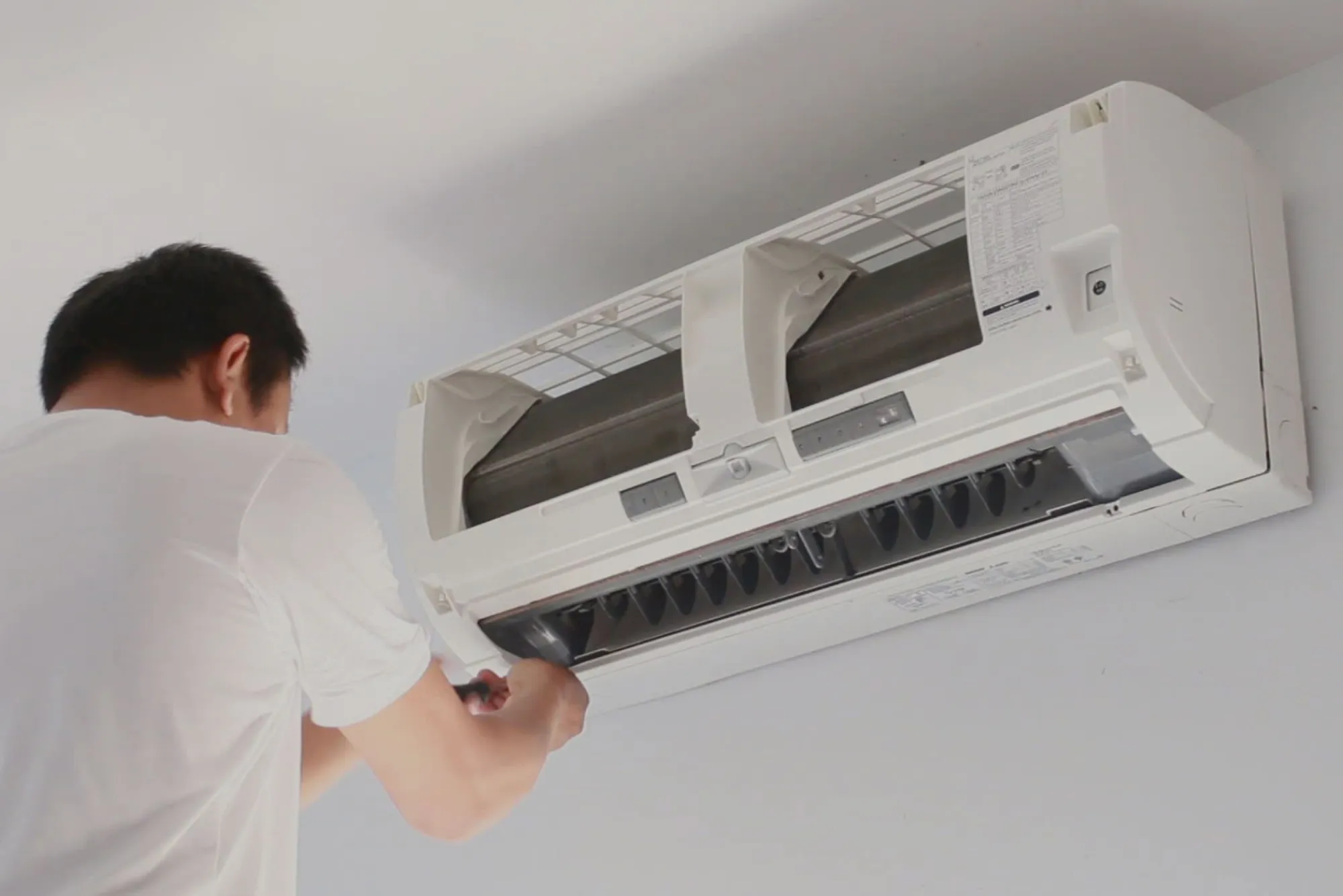
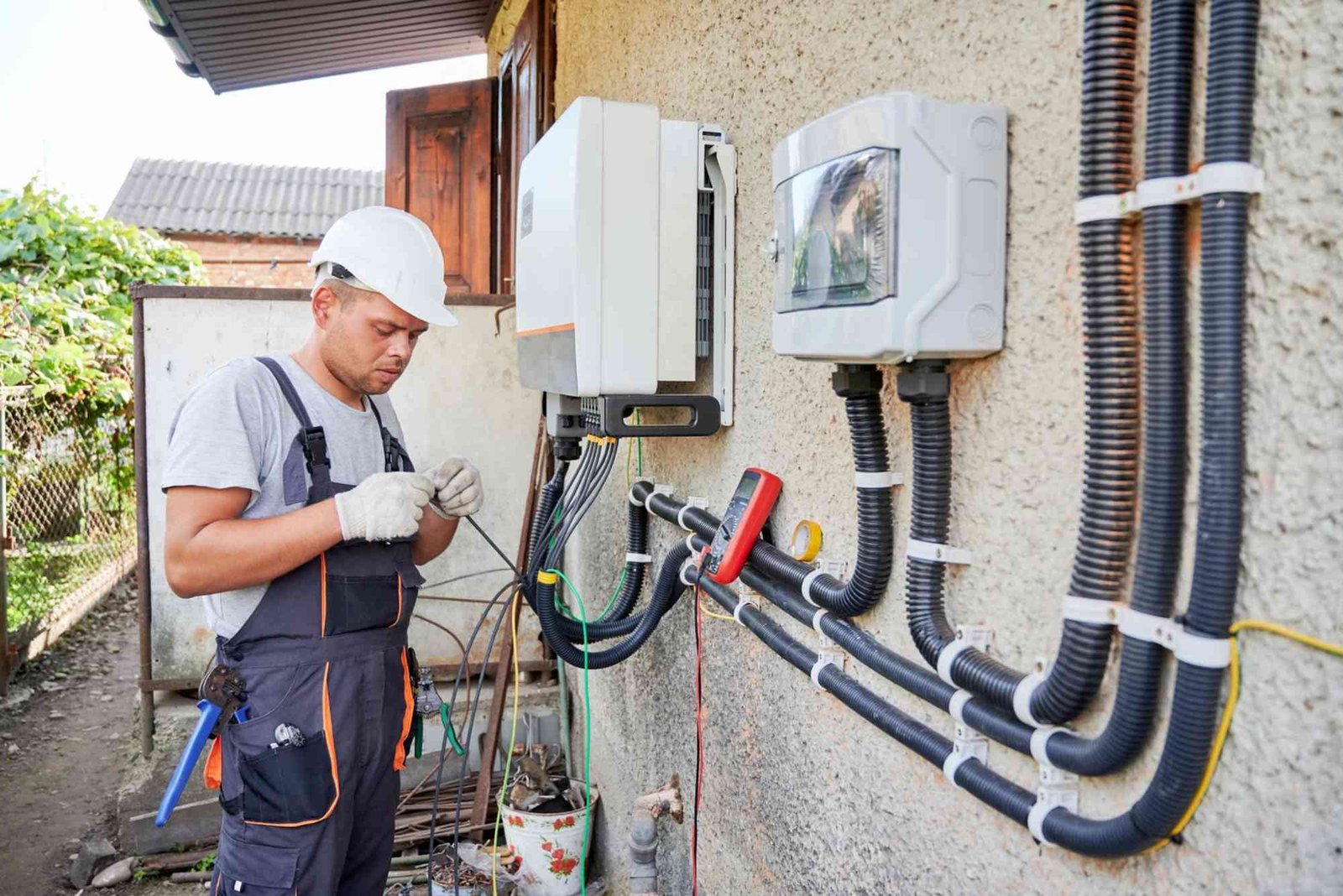
Maintenance activities typically include cleaning filters, checking duct integrity, inspecting refrigerant levels, and ensuring electrical connections are secure. These tasks help prevent issues such as uneven cooling, airflow restrictions, or unexpected breakdowns.
For larger properties like offices and educational institutions, scheduled maintenance ensures uninterrupted operation during peak hours.
Adapting to Mixed-Use Environments
Garden Town is not limited to residential use; it also hosts a variety of commercial and institutional spaces. Central air conditioning systems must adapt to these mixed-use environments, where cooling requirements can vary throughout the day.
For example, an office may require consistent cooling during working hours, while a residential property may have fluctuating usage patterns. Advanced control systems allow for zone-based cooling, enabling different areas to maintain separate temperature settings.
This flexibility enhances comfort while ensuring efficient energy use across the property.
Indoor Air Quality and Ventilation Considerations
Beyond cooling, central air conditioning systems also influence indoor air quality. Proper ventilation and filtration are essential to maintain a healthy indoor environment, especially in areas with high occupancy.
In Garden Town Lahore, where properties often accommodate families, staff, and visitors, maintaining clean and well-circulated air is important. Regular filter cleaning and duct maintenance help remove dust, allergens, and pollutants from indoor spaces.
Improved air quality contributes to better comfort and overall well-being for occupants.
Supporting Modern Infrastructure and Renovations
Many properties in Garden Town are undergoing renovations or upgrades to meet modern living and working standards. Central air conditioning systems are often integrated into these upgrades to enhance comfort and efficiency.
Whether it’s a newly renovated home or an upgraded office space, centralized cooling systems provide a seamless solution that aligns with contemporary design and functionality requirements.
As infrastructure evolves, these systems continue to support the growing demand for reliable and efficient indoor climate control.
FAQs
What is the advantage of central air conditioning over split units?
Central systems provide uniform cooling across multiple rooms, reduce equipment clutter, and are more efficient for larger properties.
Is central air conditioning suitable for residential homes?
Yes, especially for larger homes or houses with multiple floors where consistent cooling is required throughout the space.
How often should central AC systems be maintained?
Routine maintenance is recommended every 3 to 6 months, with additional checks before peak summer usage.
Can central air conditioning reduce electricity costs?
When properly installed and maintained, it can be more energy-efficient than running multiple individual units.
Does central AC improve indoor air quality?
Yes, with proper filtration and ventilation, it helps maintain cleaner and healthier indoor air.