Township Lahore is a dynamic area that combines residential neighborhoods with busy commercial zones, small industries, educational institutes, and offices. As the infrastructure continues to expand, the demand for efficient and adaptable cooling systems has become more noticeable. Property owners are no longer satisfied with basic air conditioning setups that struggle to handle multiple rooms or fluctuating usage patterns.
Advanced VRF and VRV systems offer a smarter alternative, designed to meet the specific cooling needs of diverse properties in Township. These systems provide consistent performance, energy efficiency, and the flexibility required for modern urban living.
Built for Township’s Practical Property Layouts
Handling Compact and Expanding Spaces
Township features a mix of compact houses, extended family homes, and commercial units that often evolve over time. As properties are expanded or modified, cooling requirements change. Traditional systems usually require separate units for each area, leading to clutter and inefficiency.
Multi-zone systems address this by connecting multiple indoor units to a single outdoor system. This allows seamless expansion without overhauling the entire setup, making it ideal for growing households and businesses.
Suitable for Everyday Residential Needs
In many homes across Township, different rooms serve different purposes throughout the day. Bedrooms, lounges, kitchens, and study areas all have unique cooling demands. These systems allow each space to be controlled independently, improving comfort without unnecessary energy use.
Performance in Commercial and Work Environments
Reliable Cooling for Shops and Offices
Township’s commercial areas include shops, clinics, and offices that operate for long hours. Consistent indoor temperatures are essential for both customer experience and employee productivity. Advanced refrigerant flow systems provide stable cooling even during extended operation.
They also reduce temperature fluctuations, which is particularly beneficial in environments where sensitive equipment or customer comfort is a priority.
Efficient Use of Available Space
Commercial properties often have limited space for installing multiple outdoor units. A centralized system reduces the need for multiple external installations, helping maintain a cleaner exterior while optimizing available space.
Installation Approach That Matches Local Conditions
Detailed Assessment Before Setup
Each property in Township has different structural characteristics, from narrow streetside shops to multi-floor residential units. A proper installation begins with evaluating cooling loads, building orientation, and insulation levels.
This ensures that the system is neither underpowered nor oversized, both of which can affect efficiency and performance.
Coordinating with Existing Systems
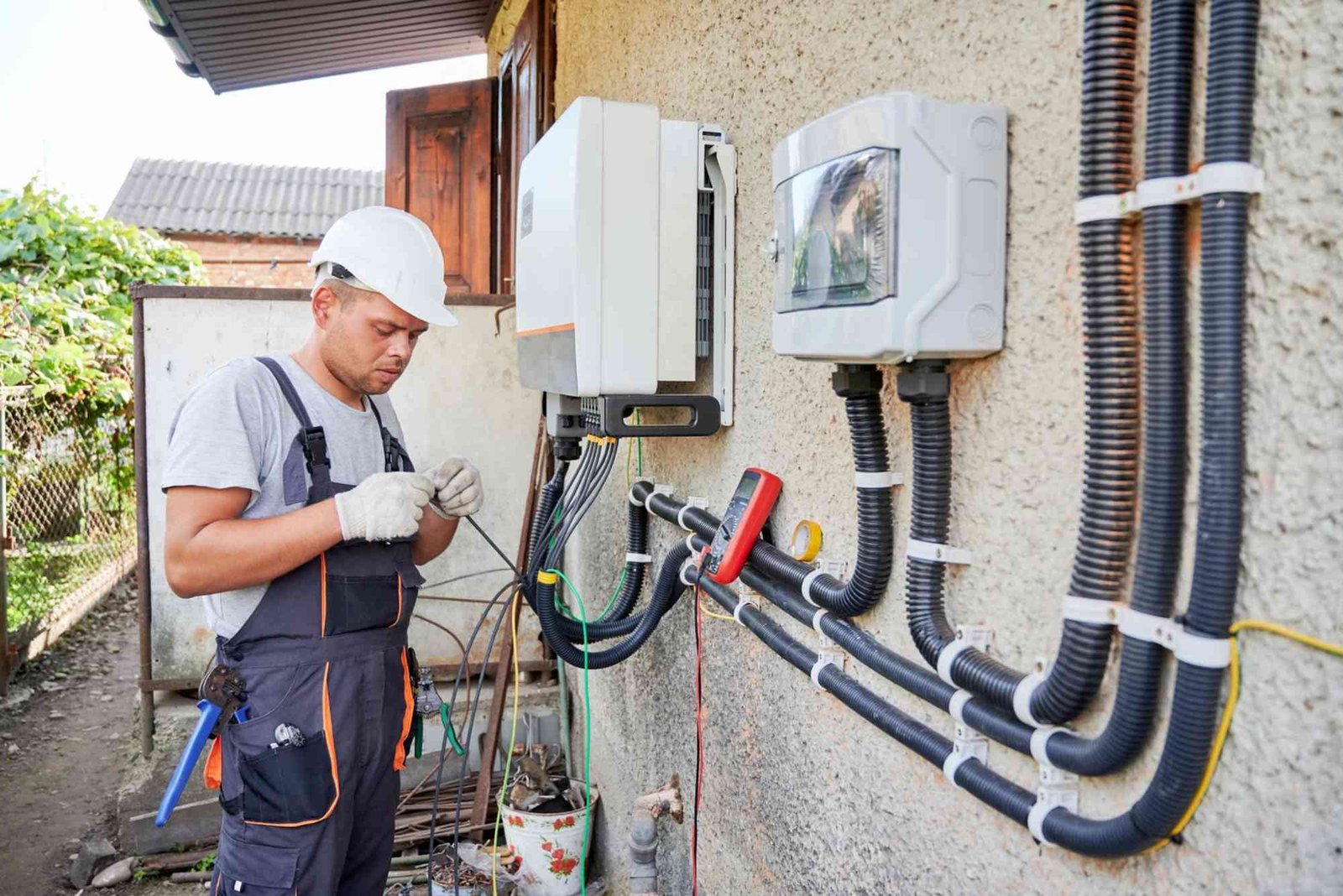
Many buildings in Township already have some form of cooling infrastructure. Integrating a new system requires careful coordination with existing electrical and mechanical setups. This helps avoid unnecessary modifications while ensuring smooth operation.
Smart Features That Improve Daily Comfort
Zoned Climate Control
One of the key advantages of these systems is their ability to create multiple climate zones within a single property. This means that different rooms can maintain different temperatures based on usage and preference.
For example, a shop floor can remain cool during business hours while storage areas operate at a different setting, optimizing both comfort and efficiency.
Low Noise Operation
In residential areas of Township, where homes are closely spaced, noise can be a concern. These systems operate quietly, making them suitable for bedrooms, offices, and study spaces where minimal disturbance is important.
Cost Efficiency Without Compromising Performance
Controlled Energy Usage
Energy consumption is a major factor for both homeowners and business operators. These systems adjust their output according to demand, preventing unnecessary power usage. Over time, this leads to more efficient operation compared to traditional systems that run at fixed capacities.
Long-Term Investment Value
Although the initial setup may require careful planning, the long-term benefits include reduced operational costs, fewer breakdowns, and improved system lifespan. For properties in Township, this makes them a practical and future-ready solution.
Maintenance Practices for Reliable Operation
Routine Checks and Servicing
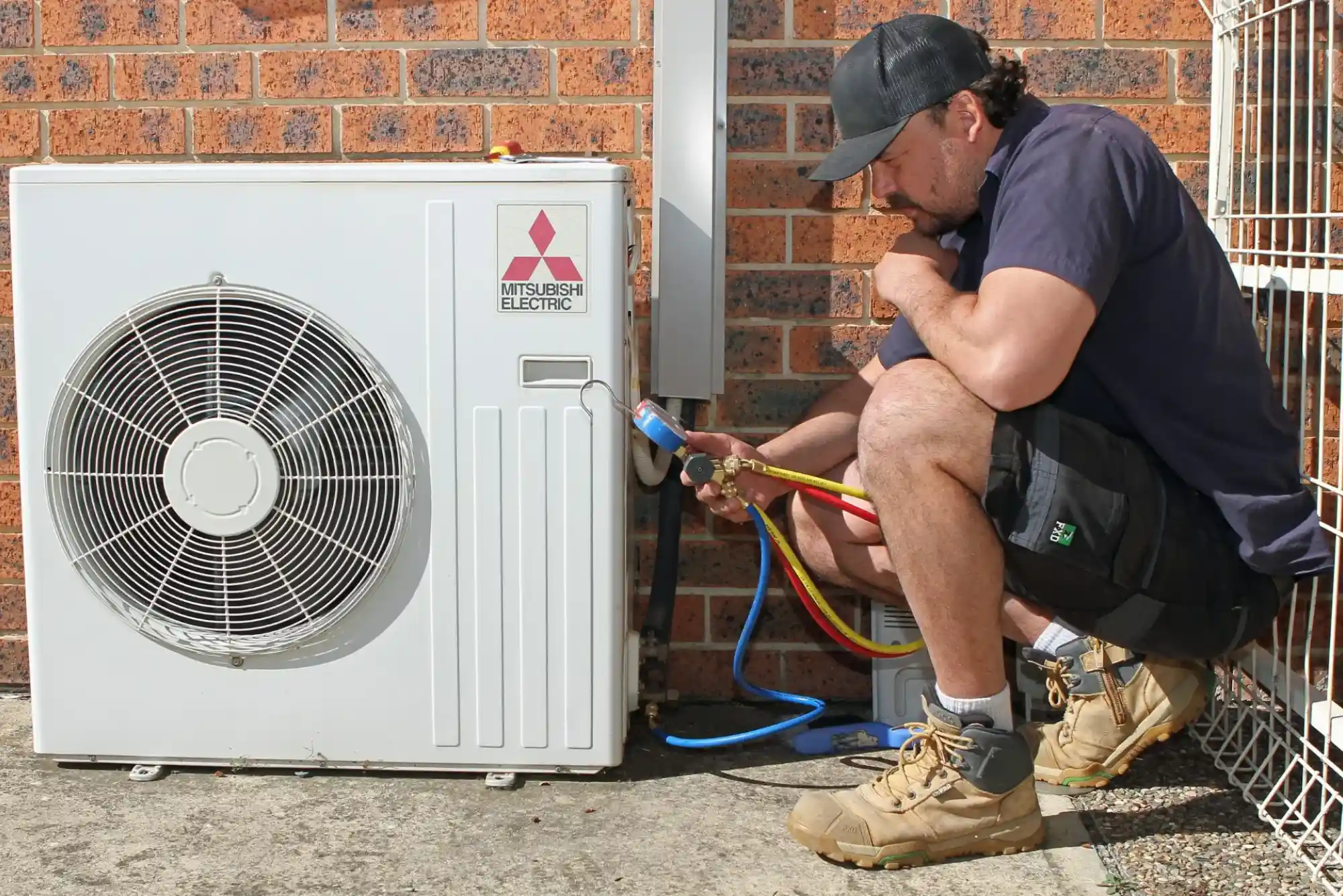
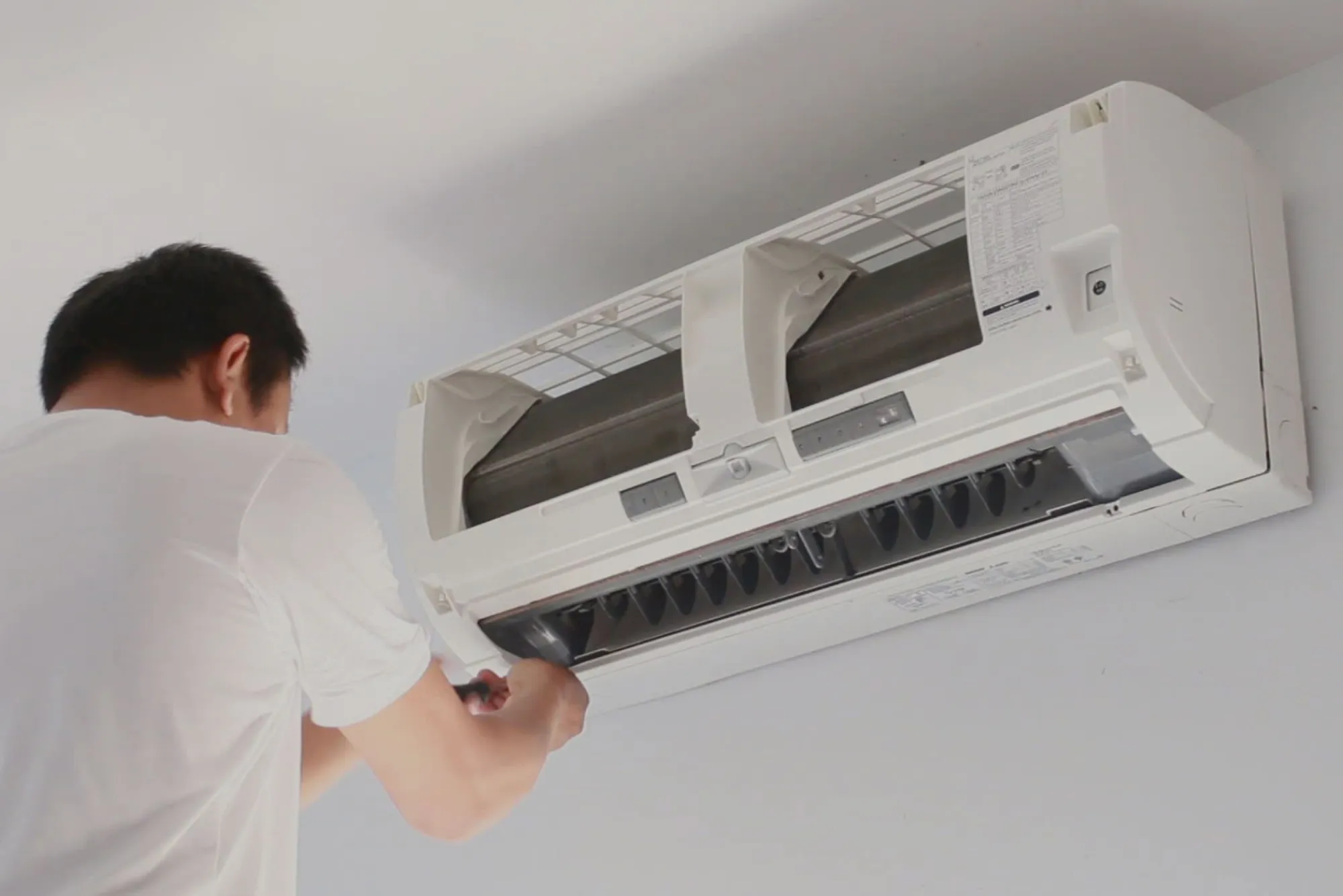
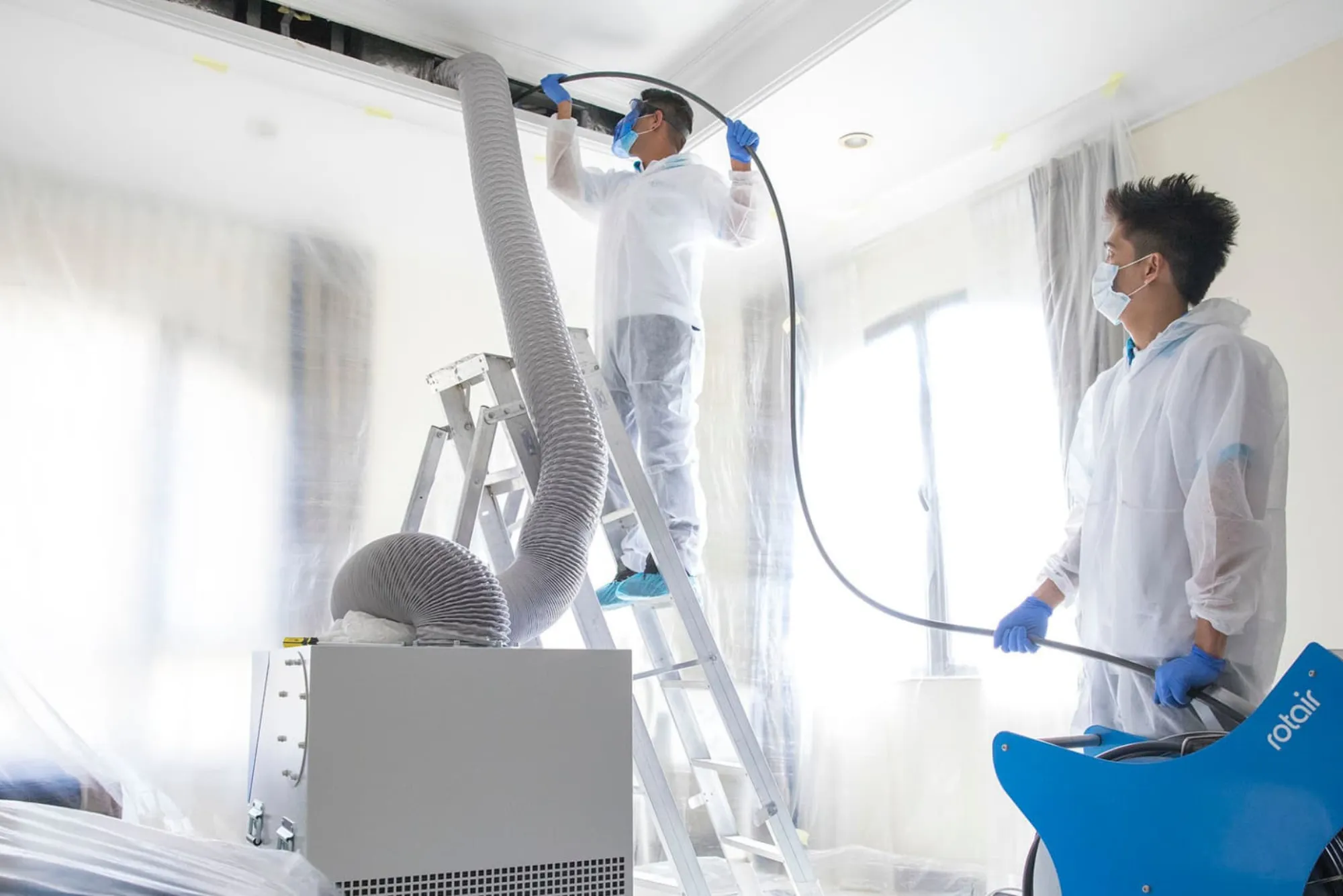
Regular maintenance ensures that the system continues to perform efficiently. Filters need to be cleaned, refrigerant levels checked, and electrical connections inspected periodically. This is especially important in Township, where environmental dust can impact system performance.
Avoiding Performance Decline
Ignoring maintenance can lead to reduced efficiency and uneven cooling. Scheduled servicing helps maintain consistent airflow and prevents strain on system components, ensuring reliable operation throughout the year.
Common Use Cases Across Township
These systems are increasingly being adopted in various types of properties across the area, including:
- Residential homes with multiple floors and rooms
- Offices requiring consistent indoor environments
- Retail shops and small commercial outlets
- Educational institutes and training centers
Adapting to Township’s Growing Infrastructure
Township Lahore continues to develop with new constructions and renovations. Property owners are focusing on solutions that can adapt to changing needs without requiring frequent upgrades. Advanced cooling systems offer this flexibility, making them suitable for both current and future requirements.
Their ability to scale, combined with efficient performance, makes them a strong choice for anyone looking to improve indoor comfort while managing energy consumption effectively.
FAQs
Are VRF/VRV systems suitable for Township’s residential areas?
Yes, they are ideal for homes with multiple rooms, providing efficient and customizable cooling.
Can these systems handle commercial usage?
They are designed for continuous operation, making them suitable for offices, shops, and other commercial spaces.
Do they require major structural changes during installation?
With proper planning, they can be installed with minimal structural modifications, even in existing buildings.
How do these systems improve energy efficiency?
They adjust cooling output based on demand, reducing unnecessary energy consumption.
Is maintenance complicated for these systems?
Routine maintenance is straightforward and ensures long-term performance and reliability.