Bedian Road Lahore has seen significant development in recent years, with the area expanding into a mix of residential communities, commercial plazas, educational facilities, farmhouses, and modern office spaces. As infrastructure continues to evolve, property owners increasingly require advanced cooling systems that can handle large spaces efficiently while maintaining long-term energy performance.
Traditional air conditioning systems are often unable to provide the flexibility needed for multi-zone buildings and larger properties. This is where VRF and VRV systems become highly suitable. Their ability to deliver independent temperature control across multiple indoor areas makes them ideal for the growing property landscape along Bedian Road.
Understanding How VRF and VRV Systems Operate
Variable Refrigerant Flow and Variable Refrigerant Volume systems are designed to regulate refrigerant flow based on the cooling or heating demand of different zones within a building. Unlike conventional setups that operate at fixed capacities, these systems continuously adjust output to maintain stable indoor temperatures.
This technology allows multiple indoor units to connect with a single outdoor unit while maintaining individual room control. In Bedian Road properties, where buildings may include offices, meeting rooms, living areas, and open halls within the same structure, this flexibility offers a major operational advantage.
The system’s intelligent control mechanism also helps reduce unnecessary energy consumption by delivering cooling only where needed.
Growing Demand in Residential and Commercial Properties
The development pattern along Bedian Road includes both high-end residences and commercial structures that require reliable climate control throughout the year. VRF and VRV systems are increasingly being selected for these environments due to their scalability and energy efficiency.
In residential settings, they are commonly used in large homes, villas, and farmhouses where multiple rooms require independent temperature management. Commercial properties such as offices, clinics, and retail spaces benefit from the ability to maintain different cooling levels in separate zones without overloading the system.
This adaptability makes the technology highly practical for mixed-use developments common in the area.
Energy Efficiency in Large-Scale Installations
Energy consumption is a major concern for modern property owners, especially in buildings where cooling systems operate for long hours. VRF and VRV systems are designed to optimize power usage by adjusting compressor activity according to real-time demand.
Instead of repeatedly switching on and off like traditional systems, inverter-driven compressors maintain consistent operation at varying speeds. This reduces power fluctuations and improves overall efficiency.
In Bedian Road Lahore, where many properties include expansive indoor spaces and extended occupancy hours, energy-efficient operation becomes essential for sustainable building management.
Flexible Installation for Diverse Property Layouts
One of the key strengths of VRF and VRV technology is installation flexibility. Buildings along Bedian Road often feature unique architectural layouts, including multi-story homes, commercial plazas, and properties with extended horizontal structures.
These systems can accommodate varying layouts without requiring extensive ductwork. Indoor units can be positioned strategically across different sections of the building while maintaining centralized outdoor connectivity.
This flexibility is particularly valuable in projects where maintaining interior aesthetics and maximizing usable space are important considerations.
Climate Control for Multi-Zone Environments
Properties with multiple functional spaces require precise climate management. Offices may need cooler temperatures in server rooms, while conference spaces require balanced airflow for occupant comfort. Similarly, residential properties often need different settings for bedrooms, lounges, and kitchens.
VRF and VRV systems allow independent temperature adjustment for each zone. This level of control improves comfort while preventing unnecessary cooling in unused areas.
For Bedian Road properties that combine residential and commercial functions, such zoning capabilities provide a practical and efficient solution.
Integration With Modern Building Infrastructure
Modern buildings increasingly rely on integrated mechanical systems for better operational management. VRF and VRV systems are compatible with advanced building controls, allowing centralized monitoring and automation.
In commercial environments along Bedian Road, facility managers often prefer systems that can be monitored through smart interfaces for scheduling, temperature control, and energy tracking. This integration improves operational efficiency and simplifies maintenance management.
The ability to align cooling systems with broader building management strategies makes these systems suitable for contemporary infrastructure projects.
Importance of Proper System Design
The performance of a VRF or VRV installation depends heavily on accurate system planning. Factors such as building size, occupancy patterns, heat load, and airflow requirements must all be carefully evaluated before installation.
Improper sizing or poor refrigerant line planning can affect system efficiency and long-term reliability. In Bedian Road developments, where properties vary significantly in design and usage, customized system planning is essential.
Technical assessments ensure that each indoor zone receives balanced airflow and consistent temperature control without placing unnecessary strain on the system.
Long-Term Maintenance Considerations
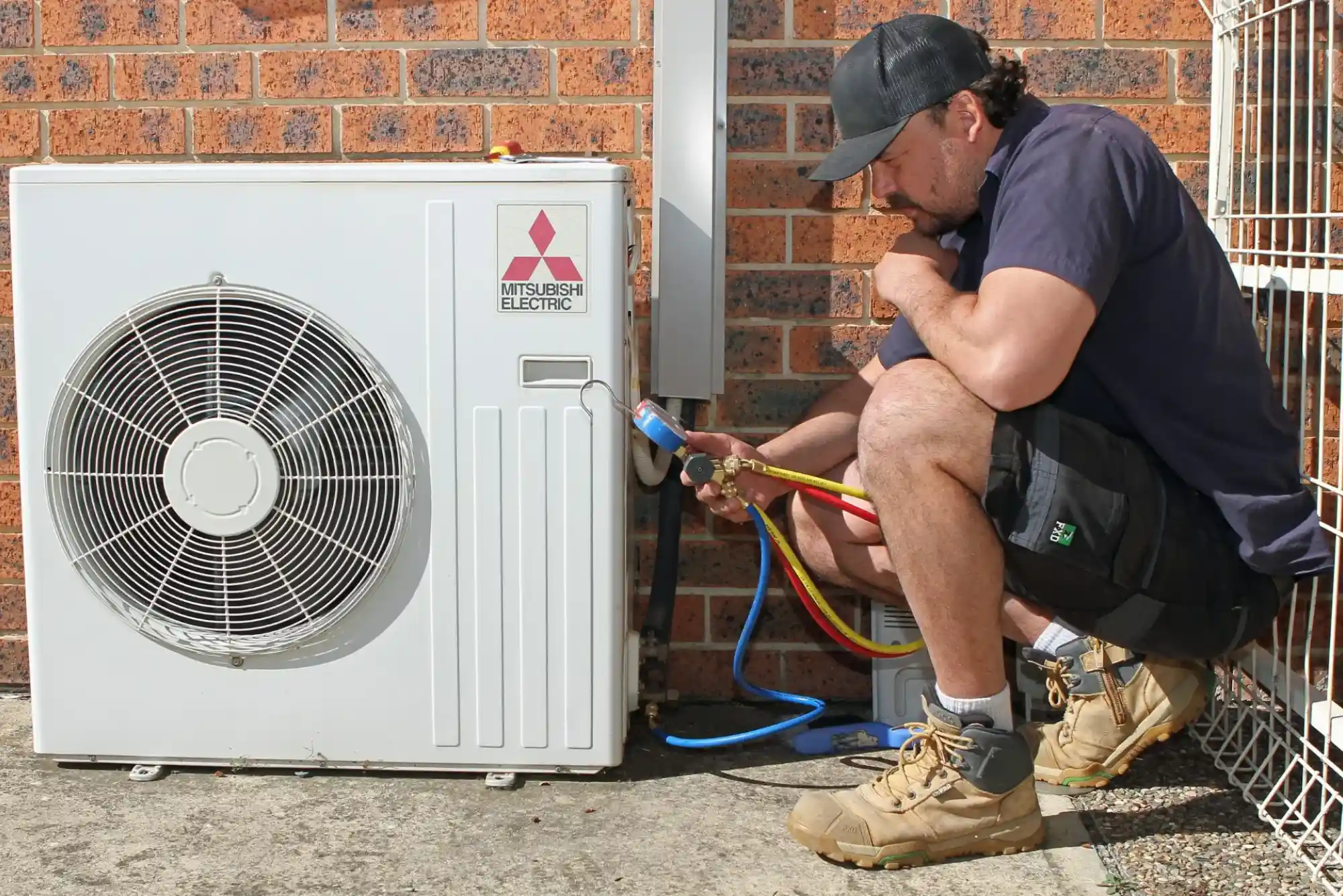
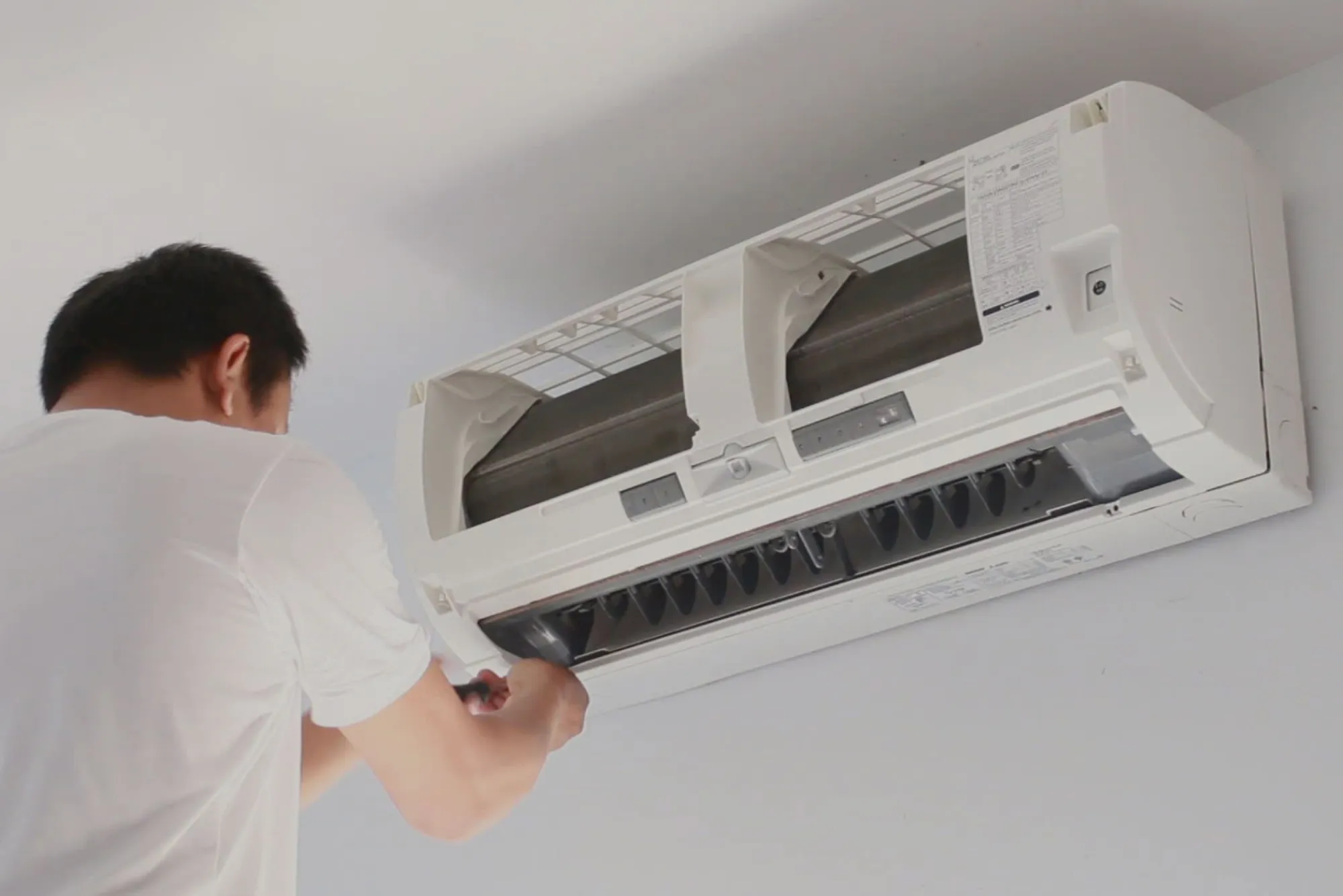
Like all advanced HVAC technologies, VRF and VRV systems require regular maintenance to sustain optimal performance. Preventive servicing helps identify refrigerant issues, airflow obstructions, electrical faults, and sensor irregularities before they affect operation.
Maintenance tasks often include cleaning filters, inspecting refrigerant pressure, testing communication wiring, and evaluating compressor efficiency. Regular inspections are particularly important in Bedian Road properties where environmental dust and continuous usage can impact system performance over time.
Consistent maintenance also supports energy efficiency and extends equipment lifespan.
Indoor Comfort and Air Quality Management
Modern climate control is not limited to temperature regulation alone. Indoor air quality has become an important consideration in residential and commercial environments alike.
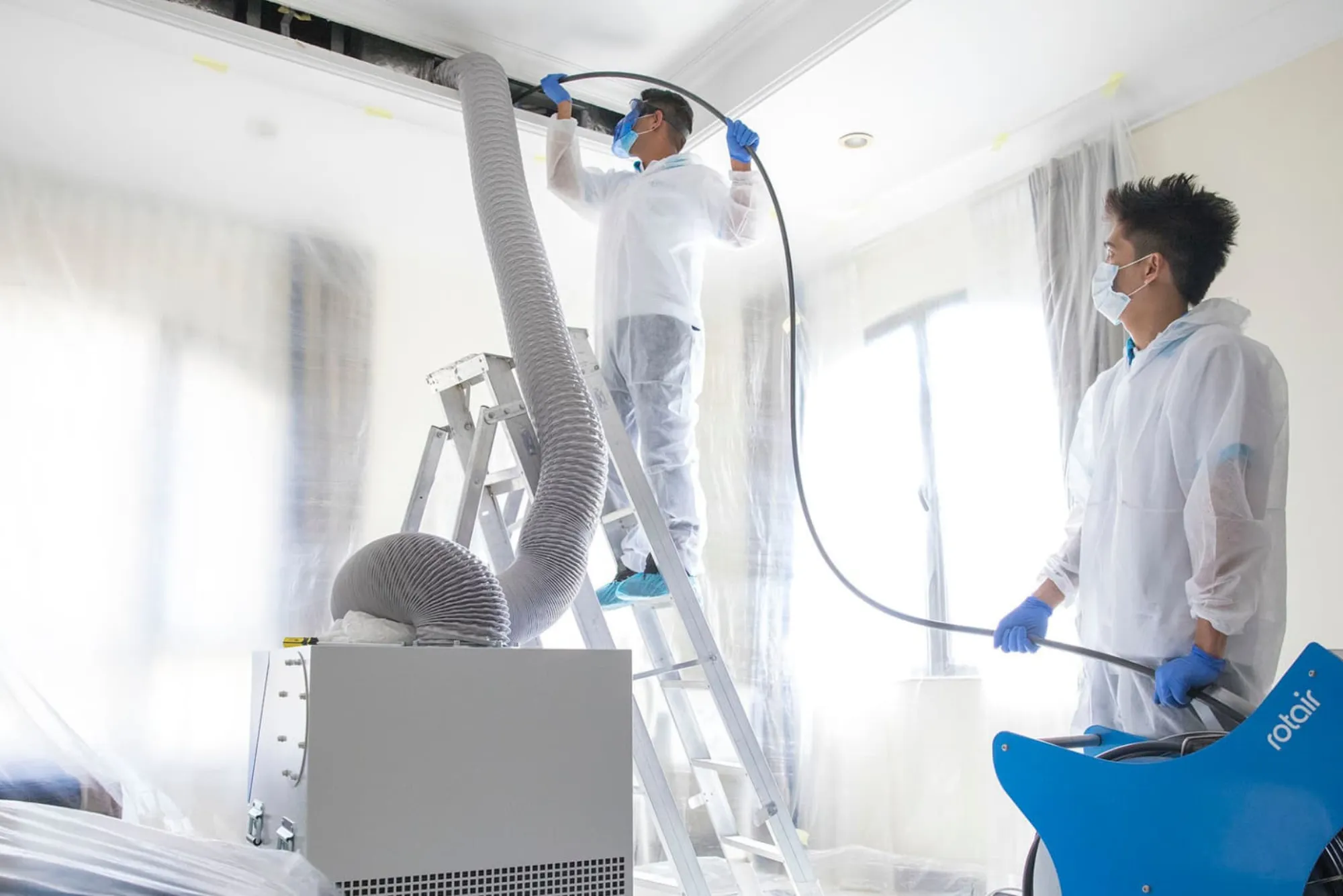
VRF and VRV systems contribute to improved indoor conditions by maintaining stable airflow and humidity levels. Proper filtration and controlled air circulation help reduce indoor dust accumulation and maintain a more comfortable atmosphere.
For offices, clinics, and hospitality spaces along Bedian Road, maintaining consistent indoor comfort directly influences occupant satisfaction and usability.
Supporting Commercial Operations Without Disruption
Commercial properties require cooling systems that can operate efficiently without interrupting daily business activities. VRF and VRV systems are designed for stable and quiet performance, making them suitable for professional environments.
Retail outlets, offices, educational facilities, and service centers along Bedian Road often prioritize systems that minimize operational noise while delivering reliable cooling across large areas.
The modular design of these systems also allows maintenance work to be carried out with minimal disruption to building operations.
Adapting to Seasonal Cooling Demands
Lahore’s climate places considerable demand on cooling systems, particularly during peak summer months. Properties along Bedian Road experience high thermal loads due to direct sunlight exposure and large glass-front structures commonly used in modern architecture.
VRF and VRV systems respond dynamically to these changing conditions by adjusting refrigerant flow based on demand. This responsiveness helps maintain stable indoor temperatures even during periods of extreme heat.
The system’s ability to adapt efficiently to seasonal fluctuations makes it suitable for long-term use in Lahore’s climate.
Electrical Efficiency and Load Stability
Conventional cooling systems often create sudden electrical load spikes when compressors start and stop repeatedly. VRF and VRV systems reduce this issue through inverter-driven technology that maintains smoother power consumption patterns.
In Bedian Road areas where commercial properties may already have significant electrical demands, stable energy usage helps improve overall system reliability and reduces stress on electrical infrastructure.
This controlled energy behavior also contributes to better operational efficiency for buildings with multiple interconnected systems.
Suitability for Expanding Infrastructure Projects
As Bedian Road continues to develop, more builders and property owners are incorporating centralized and scalable cooling solutions into their projects. VRF and VRV systems support future expansion by allowing additional indoor units to be integrated within existing infrastructure, depending on system capacity.
This scalability provides flexibility for evolving property requirements without requiring complete system replacement. It is particularly beneficial for commercial buildings and phased development projects where occupancy needs may change over time.
Technical Areas Commonly Covered in VRF / VRV Services
Professional climate control services for VRF and VRV systems generally involve multiple technical aspects that ensure reliable operation and long-term efficiency:
- Heat load assessment and system planning
- Indoor and outdoor unit installation
- Refrigerant piping and insulation work
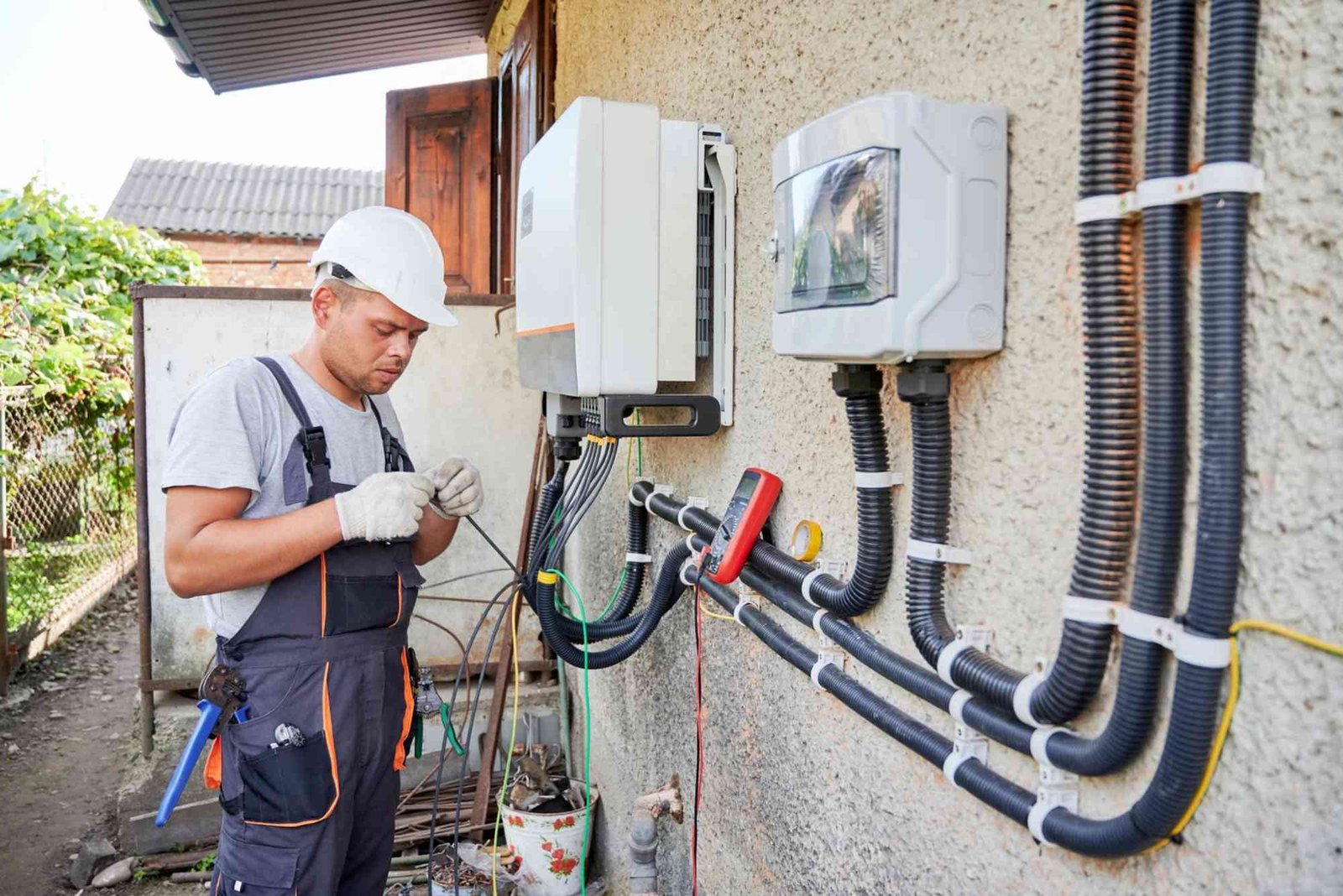
- Electrical integration and communication wiring
- Airflow balancing and zoning configuration
- Preventive maintenance and diagnostics
- Performance testing and operational calibration
A comprehensive technical approach ensures that the system performs consistently across all operational conditions.
Enhancing Property Functionality Through Smart Cooling
Efficient cooling infrastructure contributes significantly to the usability and value of modern properties. Whether it is a commercial building requiring stable temperatures throughout the day or a residential project focused on comfort and energy efficiency, advanced climate systems play a critical role in daily operations.
Along Bedian Road Lahore, where development standards continue to rise, VRF and VRV systems provide a practical balance between performance, scalability, and long-term efficiency.
FAQs
What is the difference between VRF and VRV systems?
Both technologies operate similarly by controlling refrigerant flow efficiently across multiple zones. The terms mainly differ based on industry naming conventions.
Are VRF / VRV systems suitable for residential properties?
Yes, they are commonly used in large homes, villas, and multi-story residences requiring independent room temperature control.
Do these systems consume less electricity than traditional AC setups?
They are generally more energy-efficient because they adjust cooling output according to actual demand instead of operating at fixed capacity.
Can VRF / VRV systems support multiple indoor units?
Yes, one outdoor unit can connect with multiple indoor units while allowing separate temperature settings for each zone.
How often should VRF / VRV systems be maintained?
Routine inspection and servicing are recommended periodically to maintain efficiency and prevent performance issues.