Model Town Lahore is known for its organized layout, spacious houses, and a mix of commercial and institutional buildings. Unlike many other areas of Lahore, properties here often require well-planned, centralized cooling systems rather than basic split AC setups. Whether it’s a multi-story residence, a corporate office, or a retail outlet, efficient temperature control plays a key role in maintaining comfort and productivity.
Central air conditioning systems are designed to handle larger spaces with consistent airflow and temperature distribution. In Model Town, where many buildings feature wide rooms, high ceilings, and interconnected spaces, these systems offer a practical and long-term solution compared to standalone units.
Understanding the Needs of Residential and Commercial Spaces
Homes and Villas
Many homes in Model Town are built with larger floor areas, making uniform cooling a challenge with traditional AC units. Centralized systems help eliminate hot and cold spots by delivering even airflow across all rooms. This is especially useful for families looking for quiet operation, energy efficiency, and minimal indoor unit visibility.
Offices and Workspaces
Office environments in Model Town demand reliable climate control to support employee productivity. Central systems ensure stable indoor temperatures throughout the day, even during peak summer months. This consistency reduces equipment strain and improves overall workplace comfort.
Shops and Commercial Units
Retail spaces, boutiques, and showrooms in Model Town require cooling systems that can handle frequent door openings and fluctuating occupancy. A properly designed centralized setup helps maintain a pleasant indoor environment, enhancing customer experience and protecting temperature-sensitive products.
Key Components of a Central Cooling Setup
A well-installed system includes several integrated components working together:
- Outdoor units or chillers to manage heat exchange
- Indoor air handling units for airflow distribution
- Ducting systems to deliver conditioned air
- Thermostats and controls for temperature regulation
Each element must be carefully selected based on the property size, layout, and usage patterns. In Model Town, where building designs vary significantly from block to block, customization becomes essential.
Designing Systems for Model Town’s Infrastructure
Load Calculation and Planning
Accurate cooling load calculation is the foundation of any effective system. Factors such as room size, insulation, sunlight exposure, and occupancy levels are carefully evaluated. This ensures that the system is neither oversized nor undersized, avoiding unnecessary energy consumption or performance issues.
Duct Layout Optimization
Proper duct design plays a critical role in airflow efficiency. In older homes or renovated properties in Model Town, duct routing must be planned to avoid structural disruptions while maintaining optimal air distribution.
Energy Efficiency Considerations
With rising energy costs, efficient system design is a priority. Modern central cooling setups incorporate energy-saving technologies that reduce electricity usage without compromising performance. This is particularly beneficial for large homes and commercial spaces operating systems for extended hours.
Installation Practices That Suit Local Conditions
Installing centralized cooling in Model Town requires an understanding of both modern construction and older building styles. Technicians often work with a mix of newly built houses and decades-old structures.
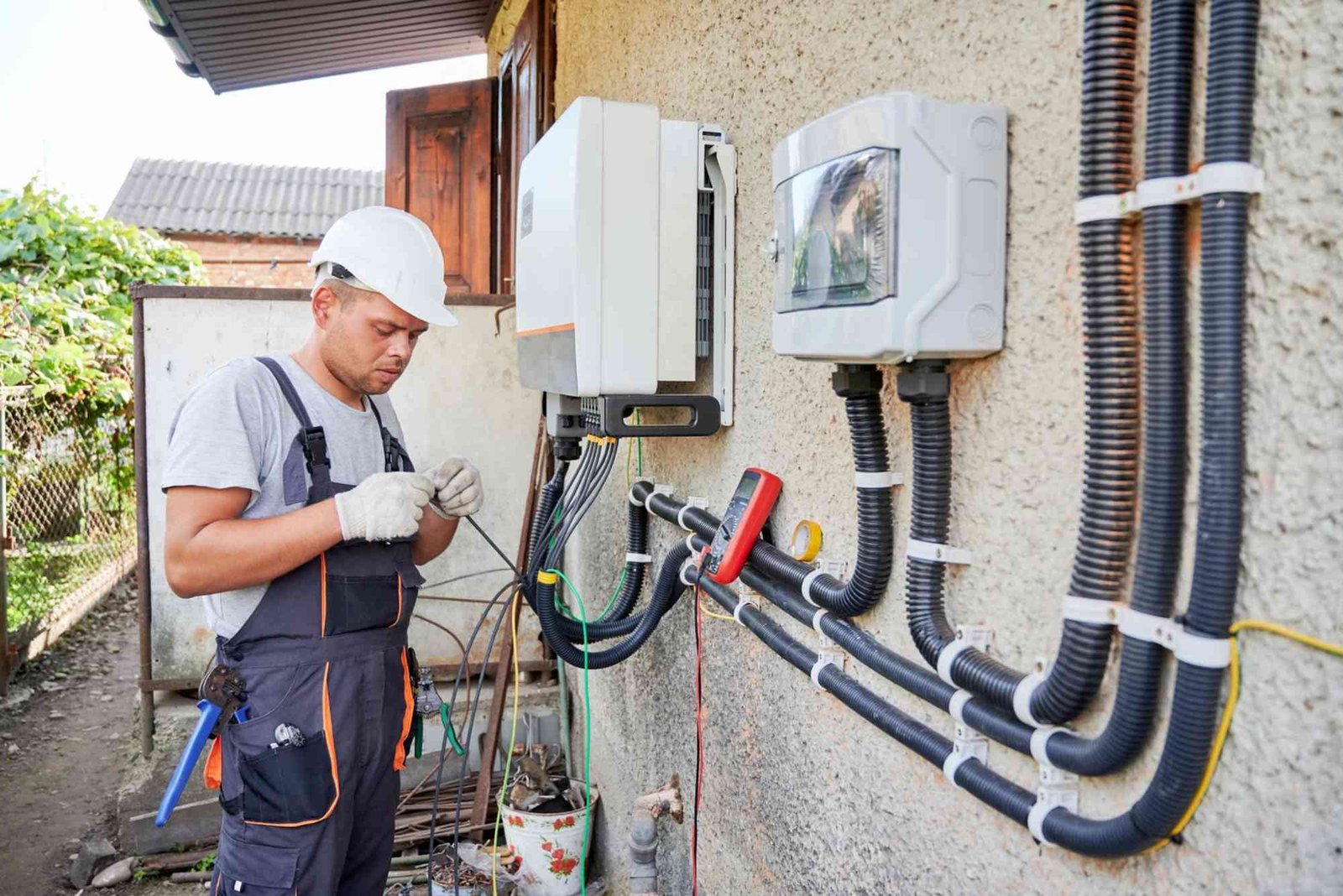
Careful handling of ceilings, walls, and existing electrical systems is necessary to ensure a clean and durable installation. Attention to detail during installation helps prevent issues like air leakage, uneven cooling, and noise disturbances.
Maintenance and System Longevity
Regular upkeep is essential to keep central cooling systems operating efficiently. Dust accumulation, especially in Lahore’s environment, can affect performance if not managed properly.
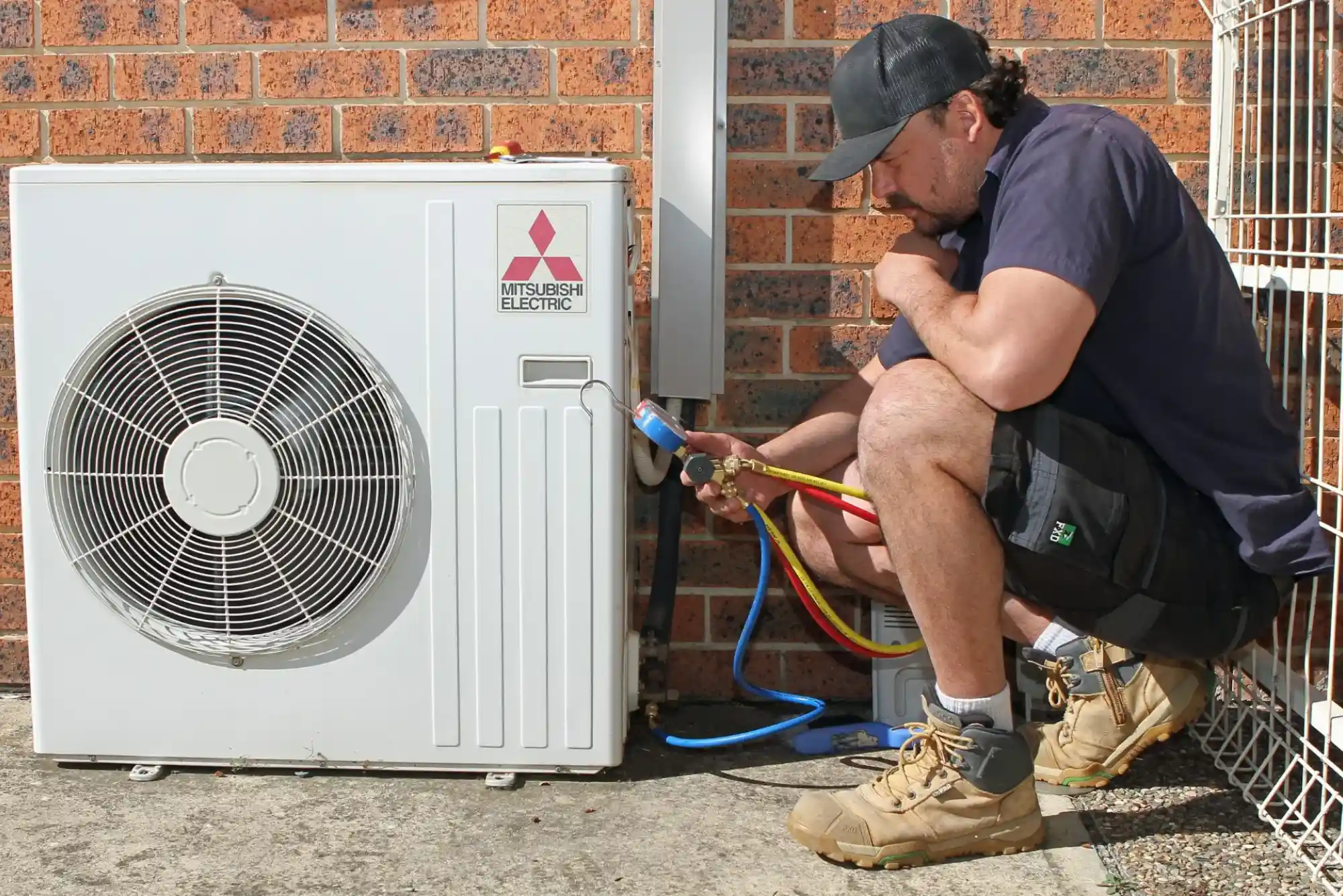
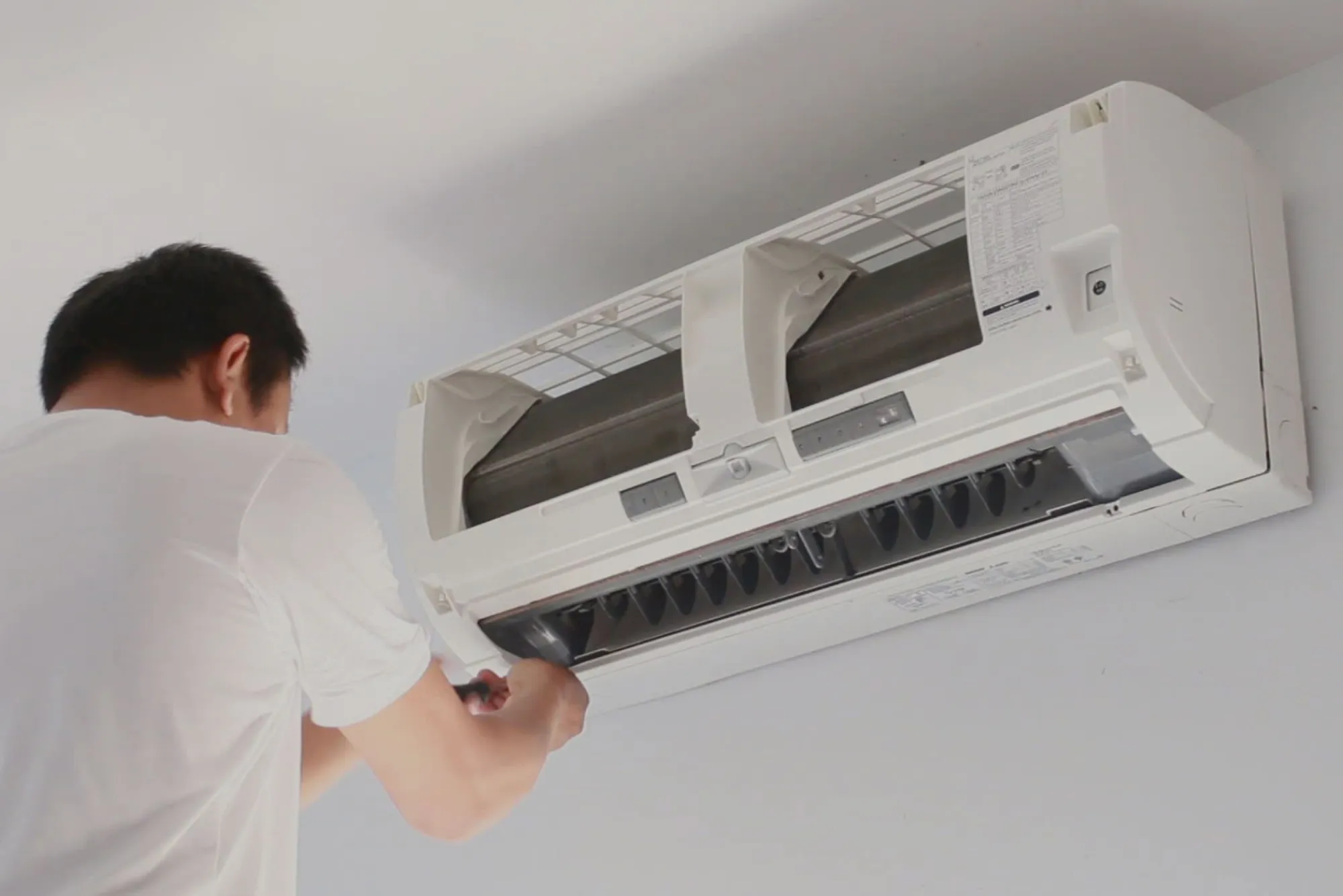
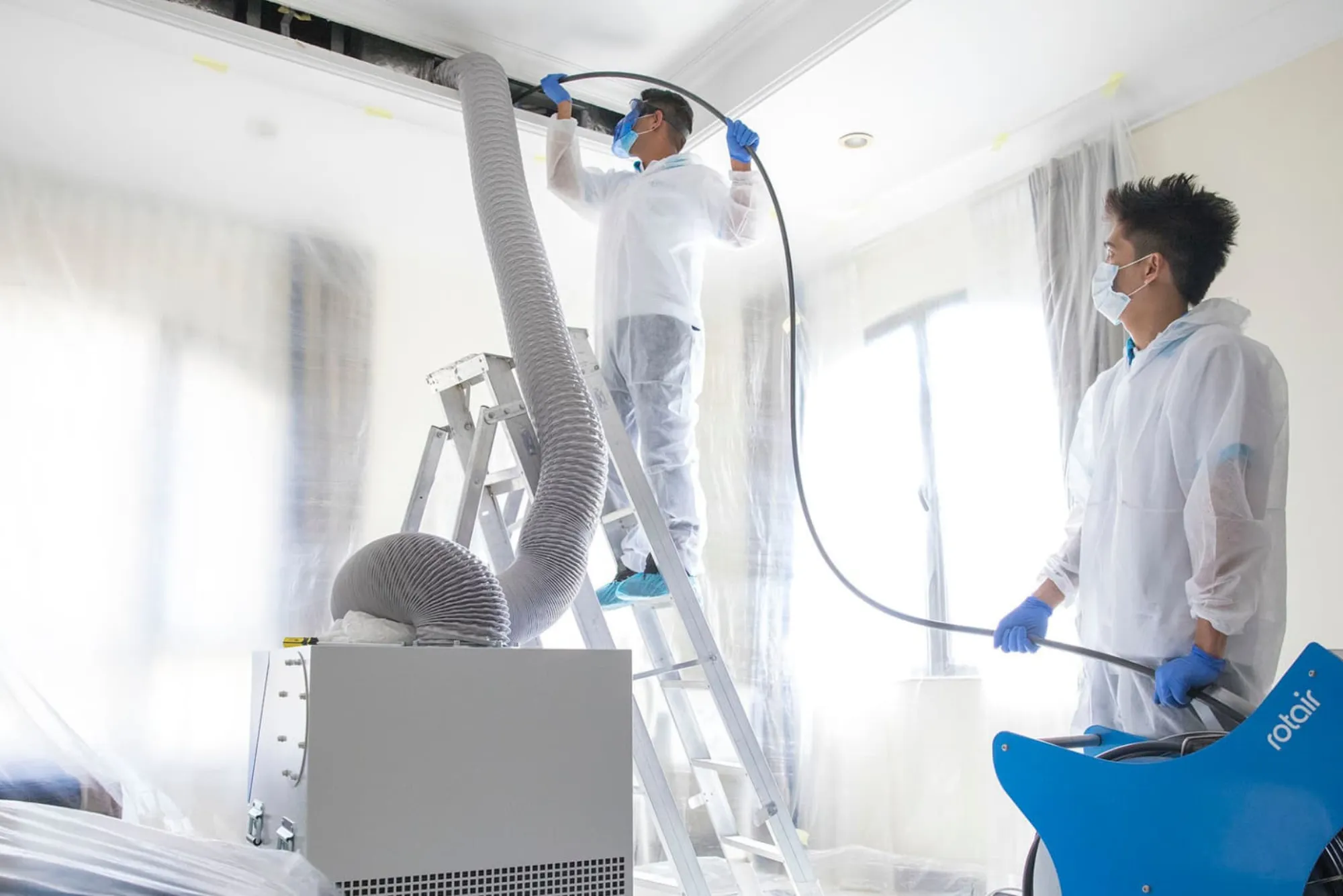
Routine maintenance typically includes filter cleaning, duct inspection, refrigerant checks, and system calibration. For both residential and commercial users in Model Town, scheduled servicing helps maintain indoor air quality and extends system lifespan.
Indoor Air Quality and Comfort Control
Beyond cooling, centralized systems contribute significantly to indoor air quality. Proper filtration and ventilation help reduce dust, allergens, and humidity levels inside the building.
In Model Town, where greenery and open surroundings are common, maintaining clean indoor air is important for both homes and workplaces. Advanced systems can also integrate humidity control, making indoor environments more comfortable during monsoon seasons.
Integration with Modern HVAC Technologies
Smart Controls and Automation
Many property owners are now opting for smart thermostats and automated controls. These systems allow users to manage temperature settings remotely, schedule operations, and monitor energy usage.
VRF and Advanced Systems
Variable Refrigerant Flow (VRF) systems are increasingly being used in larger buildings across Model Town. These systems offer precise temperature control for different zones, making them ideal for mixed-use properties.
Compatibility with Existing Infrastructure
For properties undergoing upgrades, central systems can often be integrated with existing setups. This flexibility allows homeowners and businesses to enhance their cooling solutions without complete system replacement.
Common Challenges in Model Town Installations
While central cooling offers numerous advantages, certain challenges are specific to the area:
- Retrofitting systems in older constructions
- Managing duct space in limited ceiling areas
- Balancing airflow across large or irregular layouts
- Ensuring compatibility with existing electrical systems
Addressing these challenges requires careful planning and technical expertise to achieve reliable and efficient results.
Long-Term Value for Property Owners
Investing in a centralized cooling system adds long-term value to properties in Model Town. It not only improves comfort but also enhances the overall functionality of the space. For commercial properties, it contributes to a professional environment, while for homes, it ensures consistent comfort throughout the year.
With proper design and maintenance, these systems provide dependable performance, making them a preferred choice for many property owners in the area.
FAQs
What type of central system is suitable for homes in Model Town?
The choice depends on property size and layout, but ducted systems or VRF setups are commonly used for larger homes.
How often should central air systems be serviced?
It is recommended to service the system at least twice a year to maintain efficiency and prevent breakdowns.
Can central cooling be installed in older houses?
Yes, with proper planning and adjustments, systems can be retrofitted into older properties.
Does central air conditioning improve indoor air quality?
Yes, it includes filtration and ventilation features that help maintain cleaner indoor air.
Is central cooling energy efficient for large spaces?
When properly designed, it is more efficient than multiple standalone units for large properties.