Model Town Lahore is known for its well-planned residential blocks, commercial hubs, educational institutions, and modern office spaces. With evolving architectural designs and increasing demand for efficient climate control, advanced air conditioning systems like VRF and VRV are becoming a preferred choice across the area. These systems are designed to handle large spaces with precision, offering both flexibility and energy efficiency for a wide range of properties.
Whether it’s a spacious home, a multi-story office building, or a retail outlet, modern cooling solutions are essential to maintain comfort and operational efficiency. In a locality like Model Town, where both aesthetics and performance matter, these systems provide an ideal balance.
Understanding Modern Multi-Zone Cooling Technology
How These Systems Work
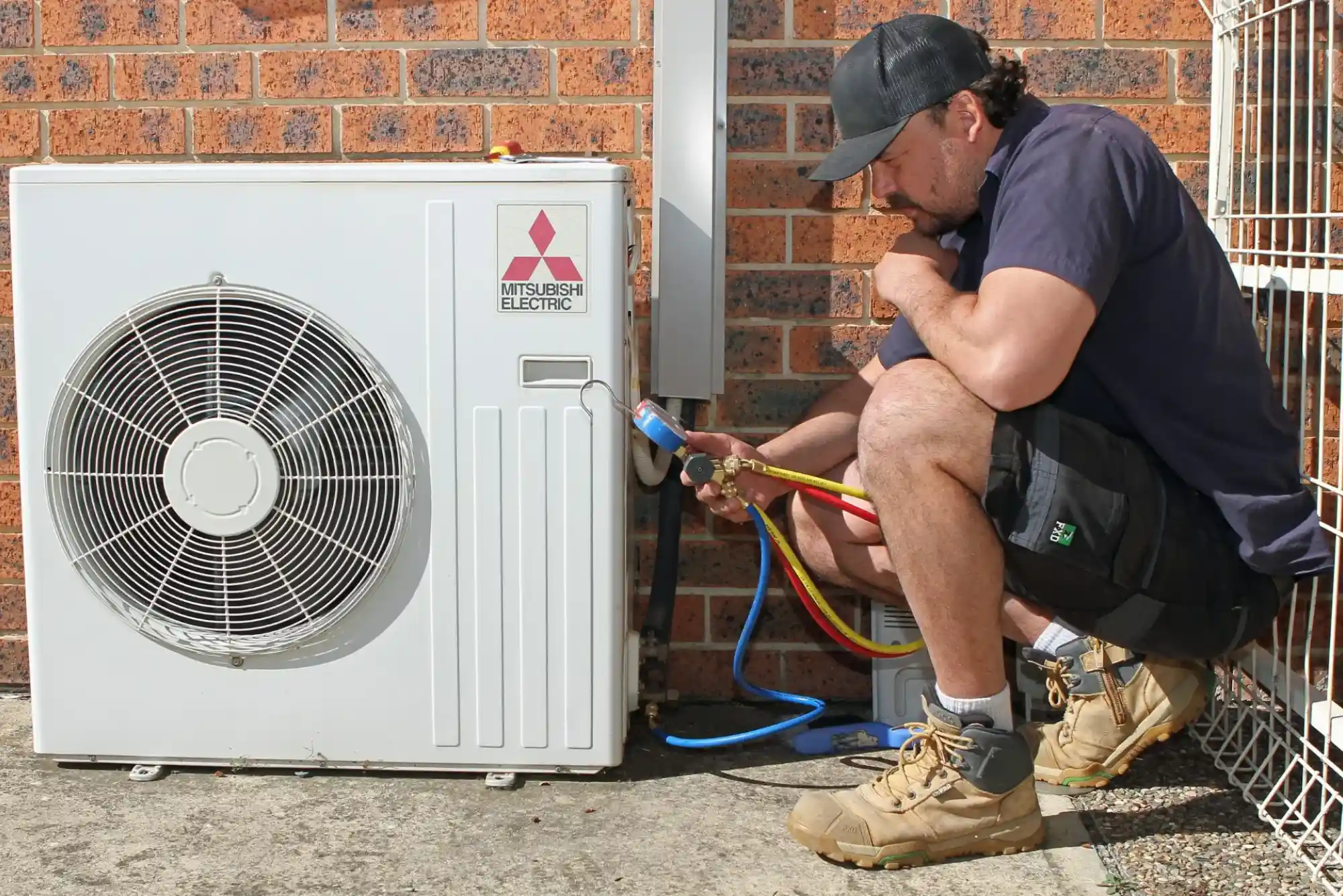
Unlike traditional air conditioning units, VRF and VRV systems use a single outdoor unit connected to multiple indoor units. The system intelligently adjusts the flow of refrigerant to each indoor unit based on the specific cooling or heating requirements of individual zones.
This allows property owners in Model Town to control temperatures in different rooms independently, making it especially useful for homes with varying occupancy or commercial spaces with diverse usage patterns.
Ideal Applications in Model Town
From luxury houses in Model Town Blocks A to K to busy commercial areas and clinics, these systems adapt seamlessly. They are particularly beneficial in:
- Large residential homes with multiple rooms and floors
- Office buildings requiring zoned temperature control
- Retail shops and showrooms with varying cooling needs
- Educational institutes and healthcare facilities
Adapting to Model Town’s Property Landscape
Residential Comfort with Smart Control
Many homes in Model Town feature expansive layouts with multiple bedrooms, lounges, and guest areas. Conventional cooling systems often struggle to maintain consistent temperatures across such spaces. Multi-zone systems solve this by delivering precise cooling to each area without overloading the system.
Residents can enjoy quiet operation, minimal indoor clutter, and improved energy efficiency—key factors for modern urban living.
Commercial Efficiency and Performance
Offices and commercial units in Model Town require reliable systems that can run for extended hours without performance drops. These advanced systems are designed for durability and consistent output, ensuring that businesses maintain a comfortable environment for employees and customers alike.
They also support simultaneous cooling and heating in different zones, which is particularly useful for mixed-use buildings.
Installation Considerations for Local Conditions
Space Planning and System Design
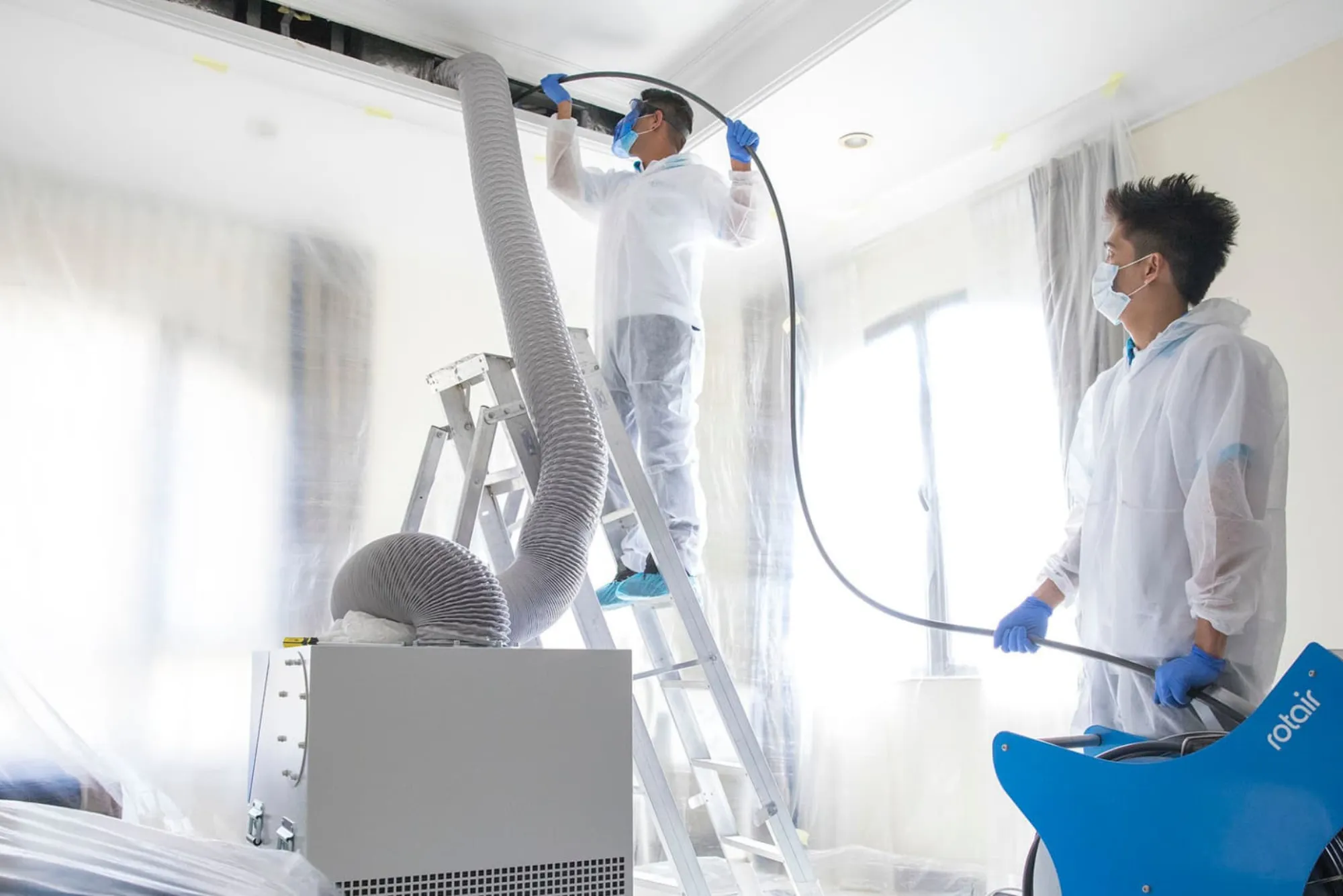
Proper system design is crucial for optimal performance. In Model Town, where property sizes and layouts vary significantly, each installation must be tailored to the building’s structure. This includes calculating load requirements, selecting appropriate indoor units, and planning efficient piping routes.
Professional installation ensures that the system operates smoothly without unnecessary energy consumption or uneven cooling.
Integration with Existing Infrastructure
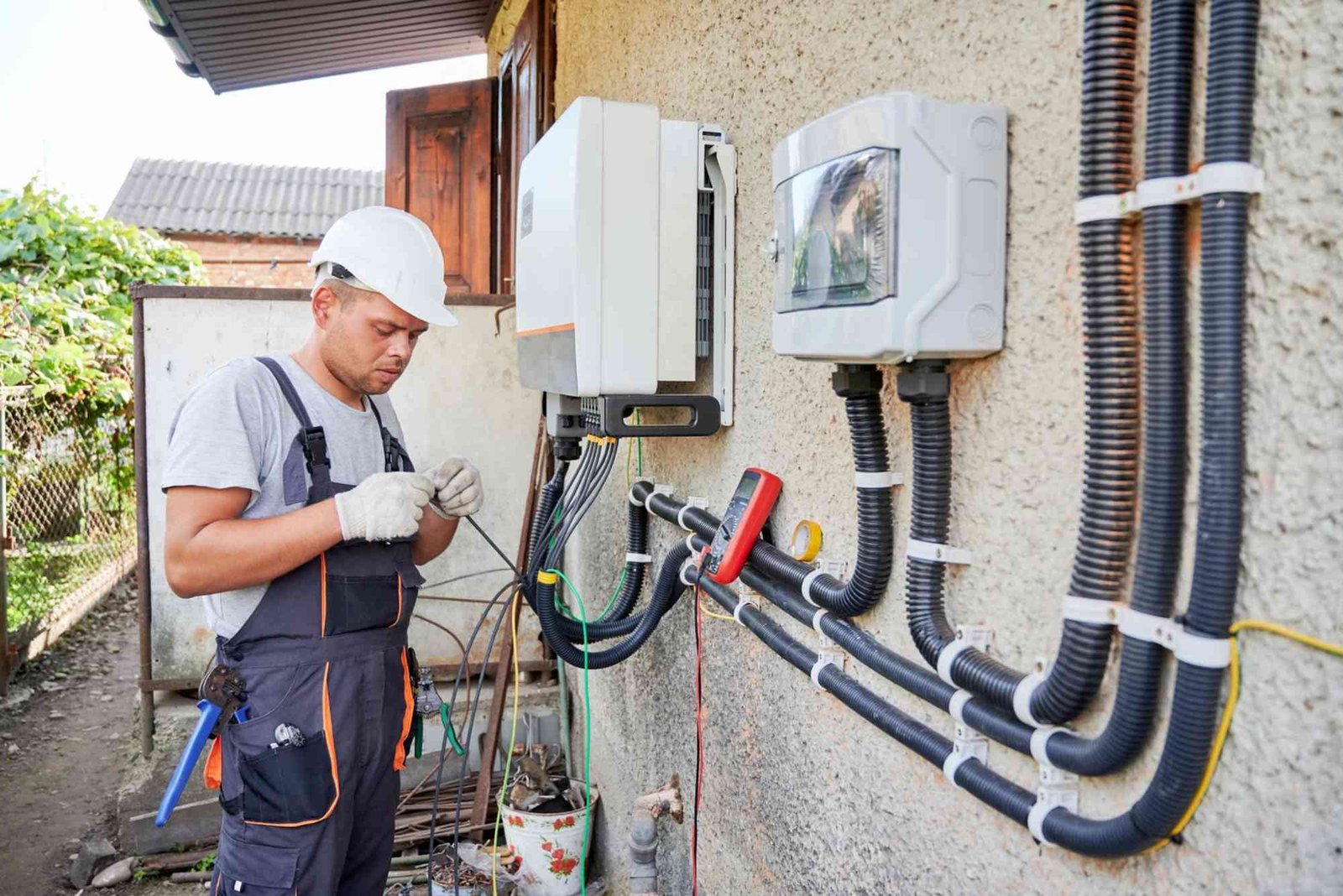
Many properties in Model Town are being upgraded rather than built from scratch. Integrating advanced cooling systems into existing buildings requires careful planning to avoid structural disruptions. Skilled technicians assess electrical capacity, ceiling space, and ducting requirements before installation.
Energy Efficiency and Long-Term Value
Reduced Energy Consumption
One of the biggest advantages of these systems is their ability to optimize energy usage. Instead of running at full capacity all the time, they adjust output based on real-time demand. This leads to noticeable savings on electricity bills, especially in larger properties.
Sustainable Cooling for Urban Living
With increasing awareness around energy conservation, property owners in Model Town are opting for solutions that reduce environmental impact. These systems contribute to sustainability by minimizing energy waste and supporting efficient resource utilization.
Maintenance Needs for Consistent Performance
Routine Servicing Importance
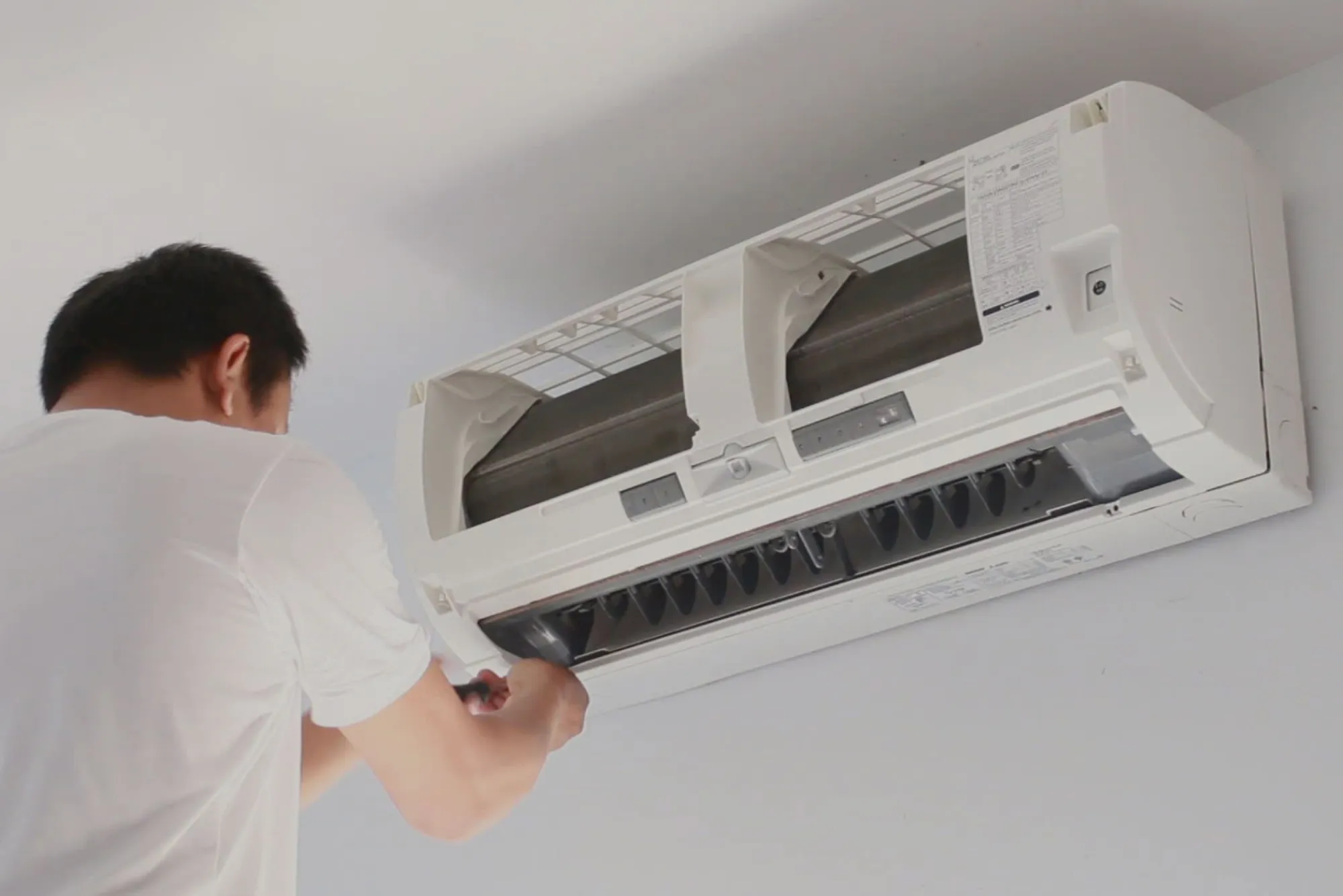
Like any advanced system, regular maintenance is essential to ensure long-term performance. Dust accumulation, refrigerant levels, and electrical components must be checked periodically to prevent issues.
In Model Town, where seasonal changes can affect system performance, scheduled maintenance helps avoid unexpected breakdowns during peak summer months.
Early Detection of Issues
Timely inspections allow technicians to identify minor problems before they escalate. This not only reduces repair costs but also extends the lifespan of the system. For commercial properties, this is particularly important to avoid operational disruptions.
Enhancing Indoor Comfort Across Property Types
Quiet and Discreet Operation
Modern cooling systems are designed to operate quietly, making them ideal for bedrooms, offices, and study areas. Indoor units are sleek and blend well with contemporary interiors, maintaining the aesthetic appeal of properties in Model Town.
Flexible Zoning for Diverse Needs
Different areas within a property often have different cooling requirements. These systems provide the flexibility to customize temperatures according to usage, whether it’s a conference room, living area, or retail space.
Future-Ready Cooling for Urban Development
As Model Town continues to evolve with new constructions and renovations, the demand for advanced climate control solutions is expected to grow. Property owners are increasingly prioritizing systems that offer scalability, efficiency, and smart control features.
Investing in such systems ensures that buildings remain adaptable to future needs, whether it’s expanding office space or upgrading residential comfort.
FAQs
What makes VRF/VRV systems suitable for Model Town properties?
These systems are ideal for large and multi-zone properties, offering efficient cooling tailored to different areas within homes and commercial spaces.
Can these systems be installed in older buildings?
Yes, with proper planning and assessment, they can be integrated into existing structures without major modifications.
Are these systems energy efficient compared to traditional AC units?
They are significantly more efficient as they adjust cooling output based on actual demand, reducing unnecessary energy consumption.
How often should maintenance be performed?
Routine maintenance is recommended at least twice a year to ensure optimal performance and prevent potential issues.
Do these systems support both cooling and heating?
Yes, they can provide both cooling and heating simultaneously in different zones, depending on the system configuration.