Muslim Town Lahore is known for its mix of residential homes, hostels, commercial plazas, and office spaces. With compact streets, multi-story buildings, and high occupancy rates, installing an air conditioning system here requires more than just placing a unit on the wall.
Every property has different cooling demands. Homes need quiet and efficient systems for daily comfort, while offices and shops require stable cooling during long working hours. Proper installation ensures that the system works efficiently from day one without unnecessary strain on internal components.
A well-installed unit not only improves cooling performance but also prevents future repair issues, especially in areas where space and ventilation can be limited.
Key Considerations Before Installing an AC System
Before setting up any cooling system, several technical factors must be evaluated. In Muslim Town, where buildings often vary in structure and age, these considerations become even more important.
Room size, ceiling height, insulation quality, and sunlight exposure all play a role in determining the right capacity and placement of the unit. Incorrect sizing can lead to overworking the system or inefficient cooling.
Technicians typically assess the following aspects before installation:
- Heat load and room dimensions
- Proper location for indoor and outdoor units
- Electrical compatibility and load capacity
- Ventilation and airflow direction
- Drainage planning for condensate water
This initial assessment ensures that the installation is aligned with the actual cooling requirements of the property.
Installation Techniques for Residential Properties
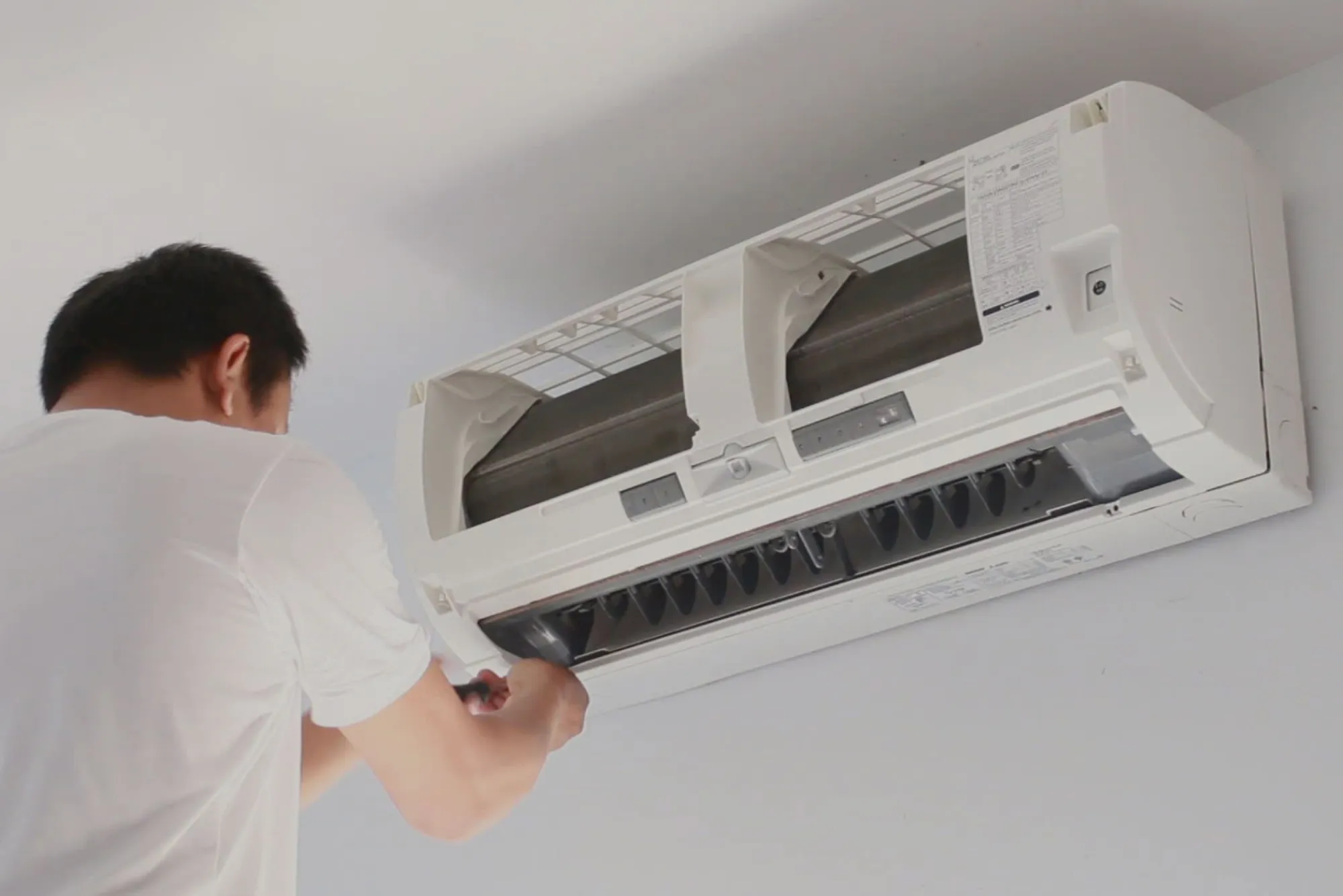
In homes and apartments across Muslim Town, AC installation focuses on achieving balanced cooling without affecting the aesthetics of the interior. Wall-mounted split systems are commonly used due to their efficiency and compact design.
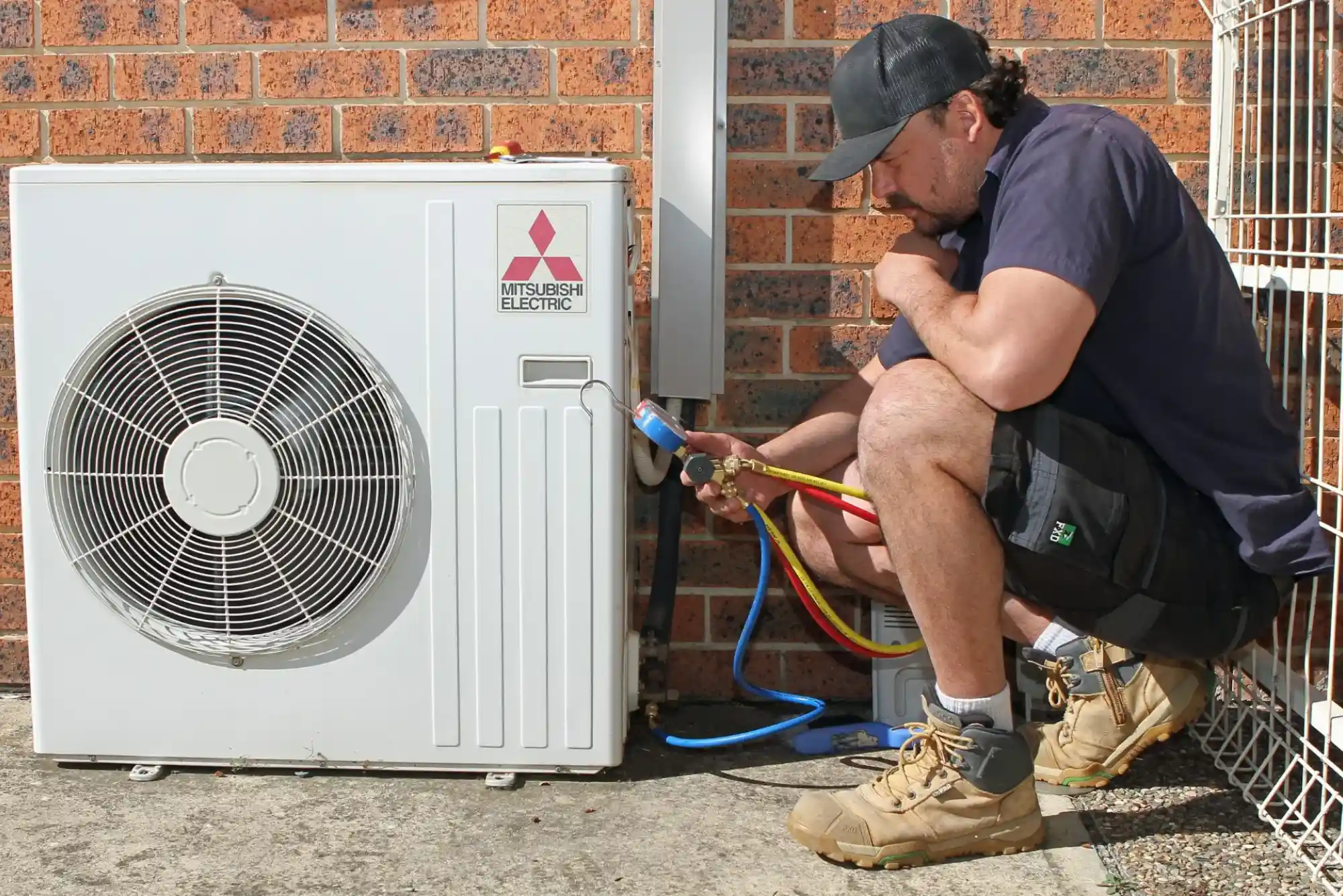
Proper positioning of the indoor unit is essential to ensure uniform airflow across the room. Outdoor units must be installed in a location that allows adequate ventilation while minimizing noise impact on living spaces.
For multi-room homes, careful planning ensures that each space receives sufficient cooling without overloading the electrical system. This is especially important in older houses where wiring capacity may be limited.
Setting Up Cooling Systems for Commercial Spaces
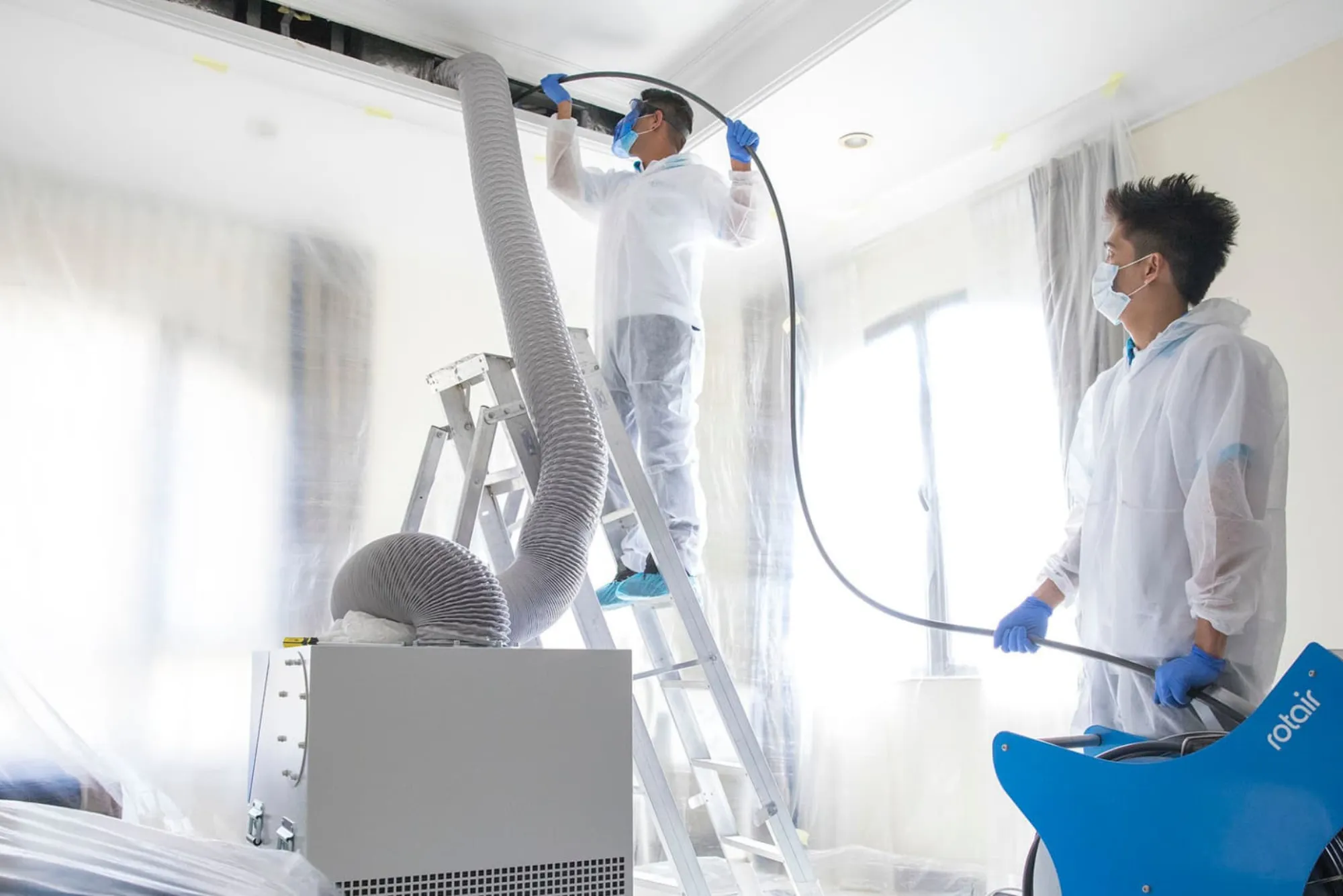
Commercial environments such as offices, clinics, and retail shops in Muslim Town have different cooling demands compared to residential properties. These spaces often experience higher foot traffic and require consistent temperature control throughout the day.
Installation in such settings involves selecting systems that can handle extended operation. Placement of units is planned to avoid direct airflow on customers or workstations while maintaining overall comfort.
In larger commercial setups, coordination with existing electrical systems and space planning becomes critical. Proper installation helps maintain a professional indoor environment and ensures uninterrupted operations.
Importance of Correct Unit Placement and Airflow Design
One of the most overlooked aspects of AC installation is airflow management. Even a high-quality system can underperform if it is not positioned correctly.
In Muslim Town properties, where room layouts can be irregular, airflow direction must be carefully planned. The goal is to distribute cool air evenly without creating hotspots or excessive cooling in one area.
Outdoor unit placement is equally important. Limited space in narrow streets or balconies requires strategic positioning to ensure proper heat dissipation and system efficiency.
Correct installation minimizes energy consumption and enhances the overall performance of the cooling system.
Electrical Integration and Safety Measures
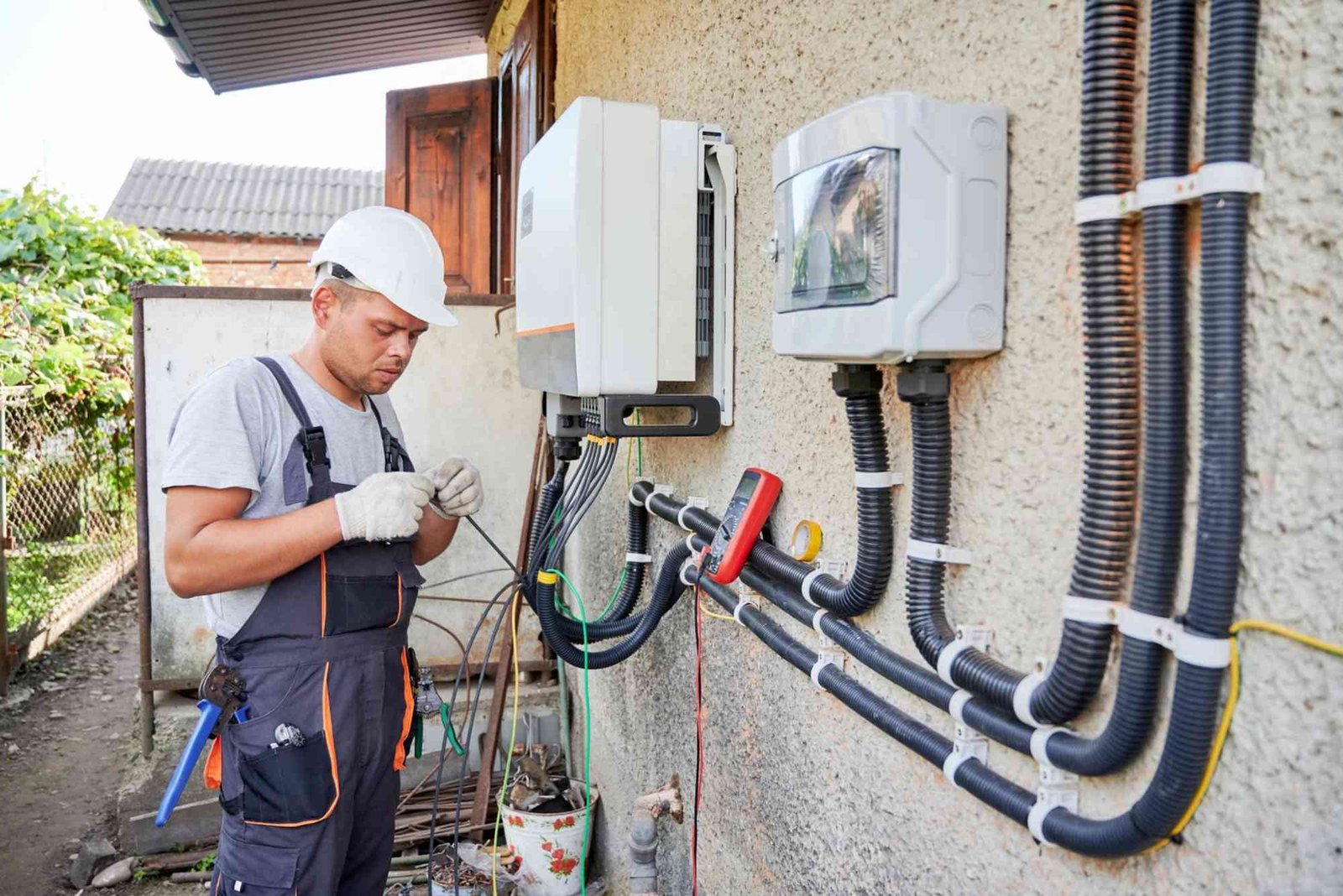
Air conditioning systems rely heavily on stable electrical connections. In many parts of Muslim Town, voltage fluctuations can affect performance and damage sensitive components.
Professional installation includes checking the electrical load, ensuring proper wiring, and installing necessary safety components such as breakers and stabilizers where needed.
Secure connections and proper insulation reduce the risk of electrical faults and improve the longevity of the system. This step is crucial for both residential and commercial installations, where consistent performance is expected.
Avoiding Common Installation Mistakes
Improper installation can lead to long-term issues such as poor cooling, water leakage, and increased energy bills. Many of these problems arise from shortcuts taken during setup.
Common mistakes include incorrect unit sizing, poor drainage planning, and improper sealing of connections. In some cases, outdoor units are placed in areas with restricted airflow, which reduces efficiency.
A careful and methodical installation approach ensures that these issues are avoided, resulting in a system that performs reliably under daily usage conditions.
Adapting to Local Environmental Conditions
Muslim Town’s environment, with its combination of urban density and seasonal temperature extremes, requires installations that can handle varying conditions. Dust accumulation and heat exposure can impact system performance if not addressed during setup.
Technicians often take preventive measures such as proper sealing, secure mounting, and optimal placement to reduce environmental impact on the system. These adjustments help maintain efficiency over time and reduce maintenance requirements.
Long-Term Performance and System Stability
A properly installed air conditioning system offers consistent performance and fewer operational issues. Stability in cooling output, reduced noise levels, and lower energy consumption are all indicators of a well-executed installation.
For property owners in Muslim Town, investing in correct installation ensures that the system remains reliable throughout its lifecycle. It also reduces the need for frequent repairs and improves overall indoor comfort.
Whether it is a home, office, or retail space, the foundation of effective cooling lies in how the system is installed.
FAQs
How long does AC installation usually take?
Installation time typically ranges from a few hours to a full day, depending on the complexity of the setup and property structure.
What type of AC system is suitable for small apartments?
Split AC systems are commonly preferred for apartments due to their efficiency and compact design.
Can installation affect energy consumption?
Yes, improper installation can lead to higher energy usage, while correct setup improves efficiency and reduces costs.
Is electrical inspection necessary before installation?
Yes, checking the electrical system ensures safe operation and prevents damage to the AC unit.
Where should the outdoor unit be installed?
It should be placed in a well-ventilated area with enough space for heat dissipation and easy maintenance access.