Muslim Town Lahore is known for its mix of residential homes, student accommodations, offices, and small commercial setups. With such a diverse environment, water systems are used heavily throughout the day. From kitchens and bathrooms in homes to washrooms and utility areas in offices and shops, plumbing infrastructure plays a central role in daily operations.
Consistent usage, aging pipelines in some properties, and pressure fluctuations can gradually impact system performance. This makes regular inspection, timely repairs, and proper installation essential for maintaining a smooth and hygienic water supply across different property types.
Common Plumbing Challenges in Muslim Town
Due to the area’s dense population and mixed-use buildings, plumbing systems often face a variety of issues. These challenges may not always appear immediately but can worsen over time if left unattended.
Water leakage behind walls, slow drainage in kitchens, pipe corrosion, and inconsistent water pressure are frequently observed in both older and newer constructions. In commercial settings, even minor plumbing issues can disrupt operations, affecting cleanliness and customer experience.
Impact on Residential Living
In homes and apartments, plumbing problems can affect daily routines. A blocked drain or leaking pipe can lead to water damage, increased utility bills, and discomfort for residents. Proper maintenance ensures that these issues are addressed early before they escalate.
Effect on Commercial Properties
Offices, cafes, and retail shops rely on functional water systems to maintain hygiene and operational flow. Plumbing faults in such environments can result in downtime, inconvenience for staff, and potential safety concerns.
Installation and Upgrades for Long-Term Reliability
Modern plumbing systems require precise installation and the use of durable materials to ensure long-term performance. In Muslim Town, many properties are undergoing renovations or upgrades, making it important to align plumbing infrastructure with current standards.
Upgrading outdated pipelines, installing efficient fixtures, and optimizing water flow systems can significantly improve performance. Proper planning during installation also helps prevent future complications, especially in buildings with high usage.
Maintenance Practices That Prevent Major Issues
Routine maintenance is essential for keeping plumbing systems in good condition. Instead of reacting to emergencies, proactive care helps identify potential problems early and ensures consistent performance.
- Regular inspection of pipes and joints for leaks
- Cleaning of drainage systems to prevent blockages
- Checking water pressure levels and flow consistency
- Maintenance of water tanks and supply lines
- Inspection of bathroom and kitchen fittings
These practices help maintain system efficiency while reducing the likelihood of unexpected breakdowns.
Addressing Drainage and Sewer Line Concerns
Drainage systems in busy areas like Muslim Town can become clogged due to continuous usage and accumulation of debris. Kitchen waste, grease, and foreign materials often contribute to blockages that restrict water flow.
Timely cleaning and inspection of sewer lines are essential to avoid backups and unpleasant odors. For commercial properties, maintaining clean drainage systems is especially important to ensure compliance with hygiene standards.
Adapting to Seasonal and Environmental Factors
Weather conditions in Lahore can influence plumbing performance. During winter, pipelines may contract slightly, affecting water flow, while summer months can increase water usage, putting additional strain on systems.
In Muslim Town, where properties are closely built, external factors like construction activity and ground movement can also impact underground pipelines. Regular monitoring helps detect such changes early and prevents structural damage to plumbing systems.
Ensuring Water Efficiency and Conservation
Efficient plumbing is not only about functionality but also about responsible water usage. With increasing awareness around resource conservation, many property owners in Muslim Town are focusing on optimizing their water systems.
Installing water-efficient fixtures, repairing leaks promptly, and maintaining proper pressure levels contribute to reduced water wastage. This approach benefits both the environment and overall utility costs.
Integration with Broader Building Systems
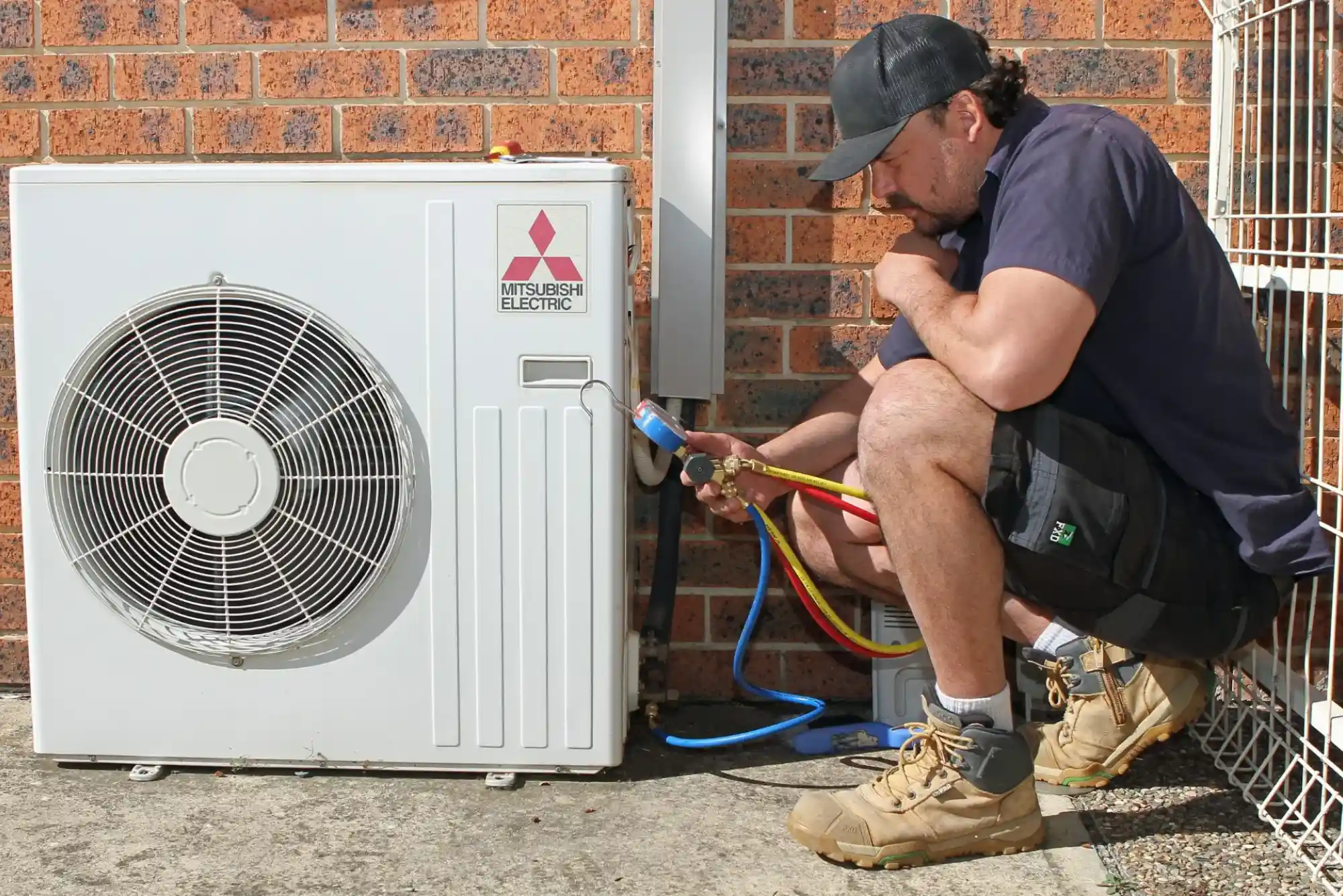
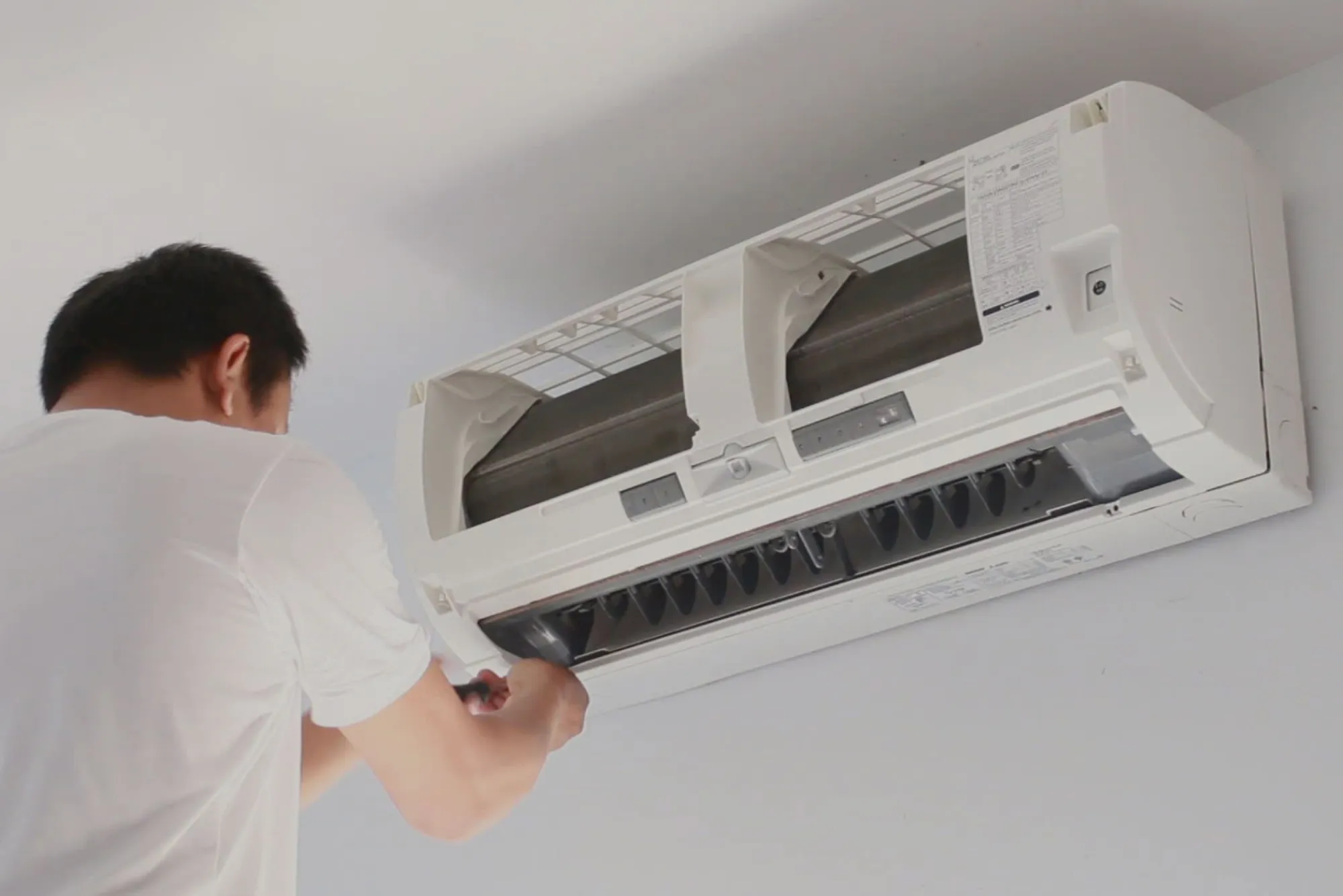
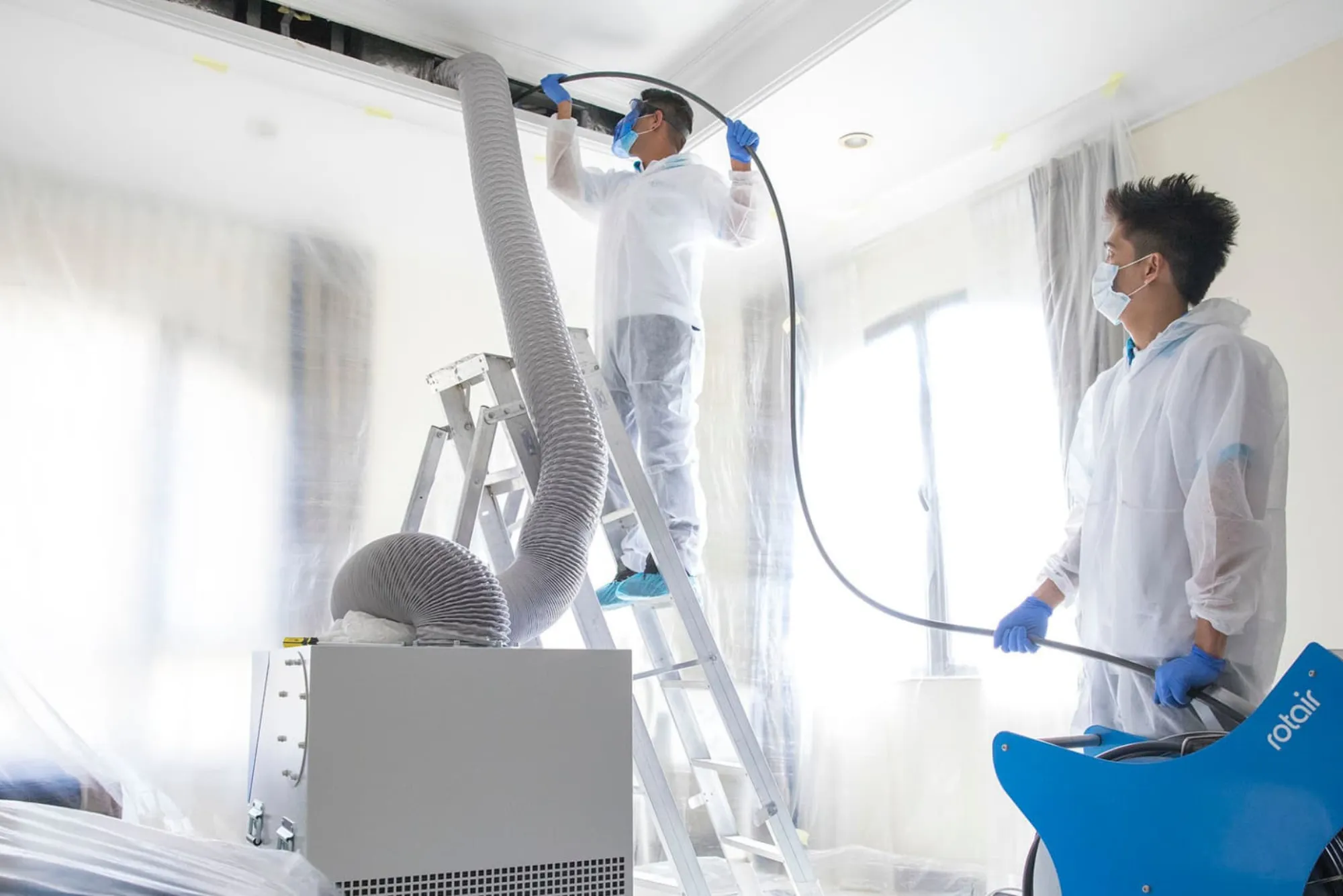
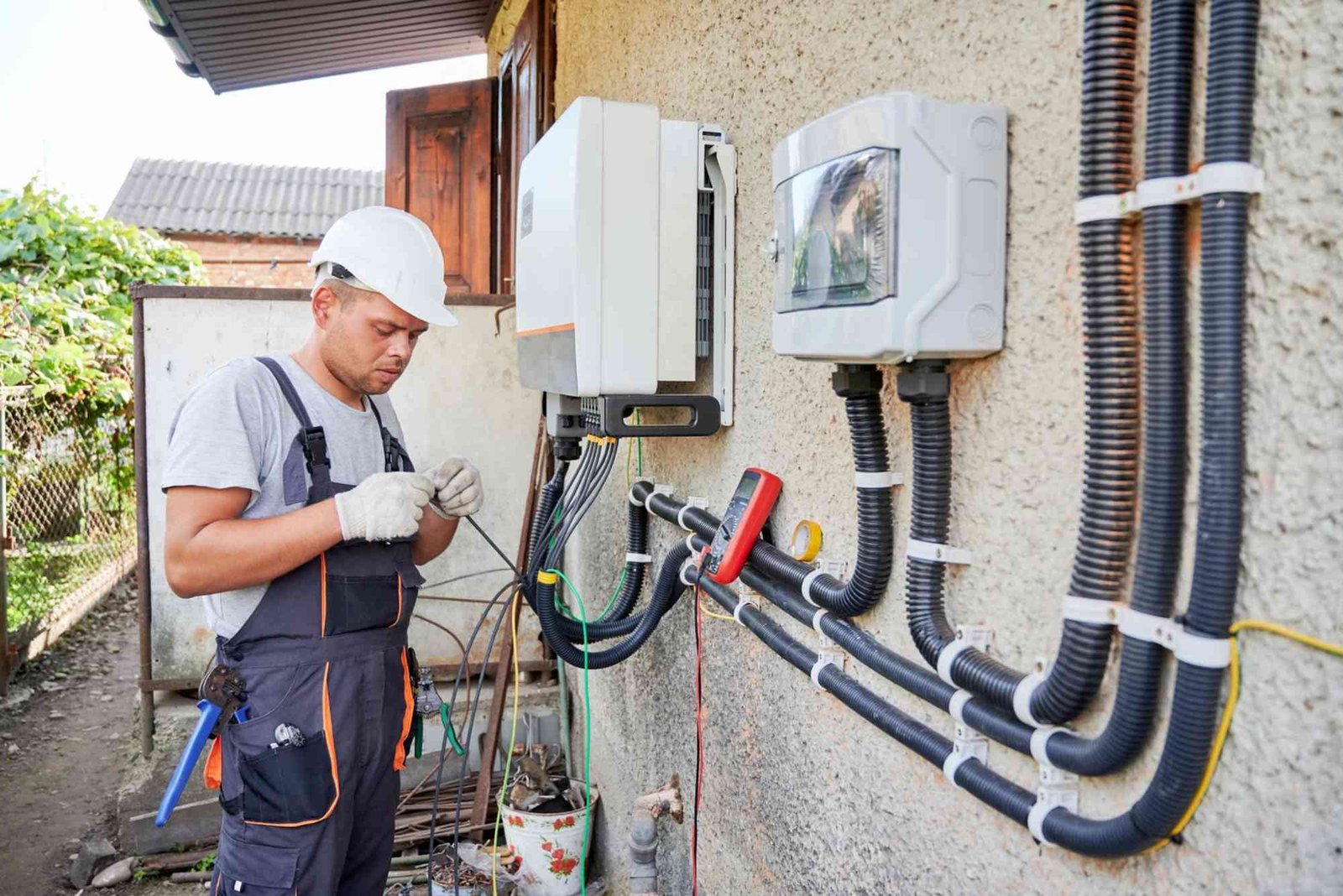
Plumbing systems often work alongside other technical components such as HVAC units, electrical setups, and facility management systems. In modern buildings, proper coordination between these systems ensures seamless functionality.
For example, water supply lines connected to cooling systems or drainage linked to building maintenance setups require careful planning and regular checks. This integrated approach enhances overall building performance.
Maintaining Hygiene and Safety Standards
Clean and well-maintained plumbing systems are essential for maintaining hygiene in both residential and commercial environments. Contaminated water, leakage, or poor drainage can lead to health risks and property damage.
Routine inspections and timely servicing help maintain water quality and ensure that all systems operate safely. This is particularly important in shared spaces such as offices and rental properties where multiple users depend on the same infrastructure.
FAQs
What are the signs of a plumbing issue in a property?
Common signs include water leakage, slow drainage, unusual noises in pipes, and inconsistent water pressure.
How often should plumbing systems be inspected?
It is recommended to inspect plumbing systems every 6 to 12 months, depending on usage and property type.
Can small leaks lead to bigger problems?
Yes, even minor leaks can cause structural damage, increase water bills, and lead to mold growth if not addressed promptly.
Are plumbing upgrades necessary for older buildings?
Older properties often benefit from upgrades to improve efficiency, prevent corrosion, and align with modern standards.
How can water efficiency be improved in homes?
Using efficient fixtures, fixing leaks quickly, and maintaining proper pressure levels can significantly improve water efficiency.