Raiwind Road Lahore has transformed significantly over the past several years, evolving into a rapidly developing corridor with residential societies, educational institutions, commercial plazas, warehouses, restaurants, and office buildings. As the area continues to grow, the demand for organized facility maintenance has become increasingly important for property owners and managers who rely on uninterrupted building operations.
Modern properties along Raiwind Road depend on multiple interconnected systems including electrical infrastructure, HVAC units, plumbing networks, ventilation systems, and mechanical equipment. When these systems are not maintained properly, operational efficiency declines, energy costs increase, and occupant comfort is affected.
Facility maintenance in this area requires more than occasional repair work. It involves structured system monitoring, preventive inspections, and technical management that align with the operational needs of different property types.
Understanding the Operational Needs of Raiwind Road Properties
Unlike densely commercial urban centers, Raiwind Road features a broad mix of developing residential communities and expanding commercial zones. This creates diverse maintenance requirements depending on the nature of the property.
Residential buildings often require stable electrical systems, reliable cooling, water supply management, and preventive upkeep for shared areas. Commercial facilities and offices, on the other hand, depend heavily on uninterrupted HVAC performance, ventilation efficiency, lighting systems, and power distribution.
Educational institutions and healthcare-related facilities in the area also require regular maintenance because system failures can disrupt daily operations and occupant safety.
A facility maintenance strategy must therefore adapt to each building environment while maintaining long-term operational reliability.
Preventive Maintenance for Long-Term System Stability
One of the most effective approaches to maintaining modern infrastructure is preventive maintenance. Rather than waiting for equipment failures, regular inspections help identify technical issues before they escalate into major disruptions.
Along Raiwind Road, where both old and newly developed buildings coexist, preventive maintenance is especially important because infrastructure quality can vary significantly from one property to another.
Routine maintenance helps:
- Maintain cooling and ventilation efficiency
- Reduce electrical load-related failures
- Prevent water leakage and plumbing damage
- Improve equipment lifespan
- Minimize emergency repair situations
- Maintain safer indoor environments
- Support uninterrupted commercial operations
This approach creates greater operational consistency while reducing long-term repair costs.
HVAC System Maintenance in High-Usage Buildings
Cooling and ventilation systems are central to facility management across Raiwind Road Lahore. Large homes, offices, retail shops, and institutional buildings rely on air conditioning systems for indoor comfort throughout the year.
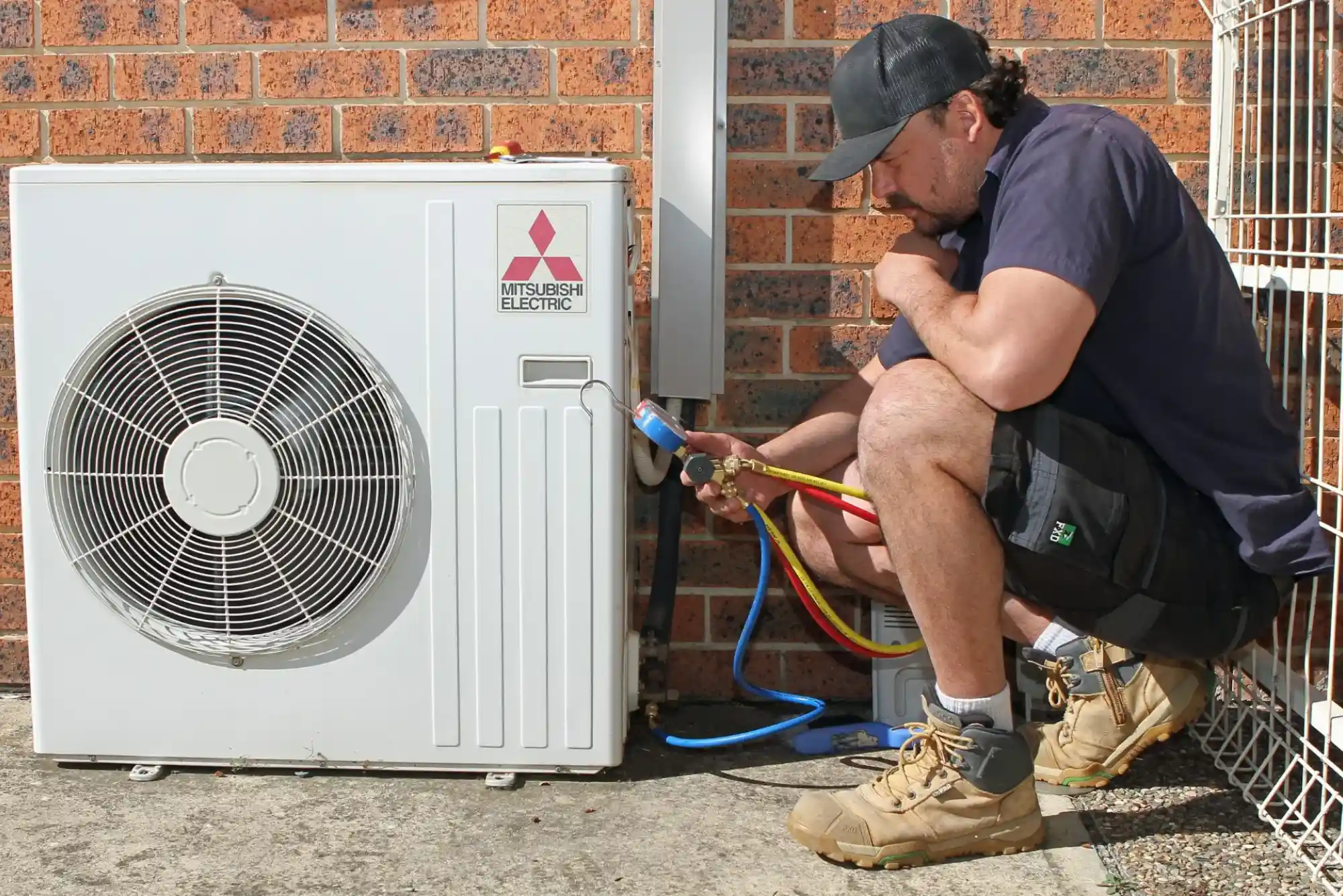
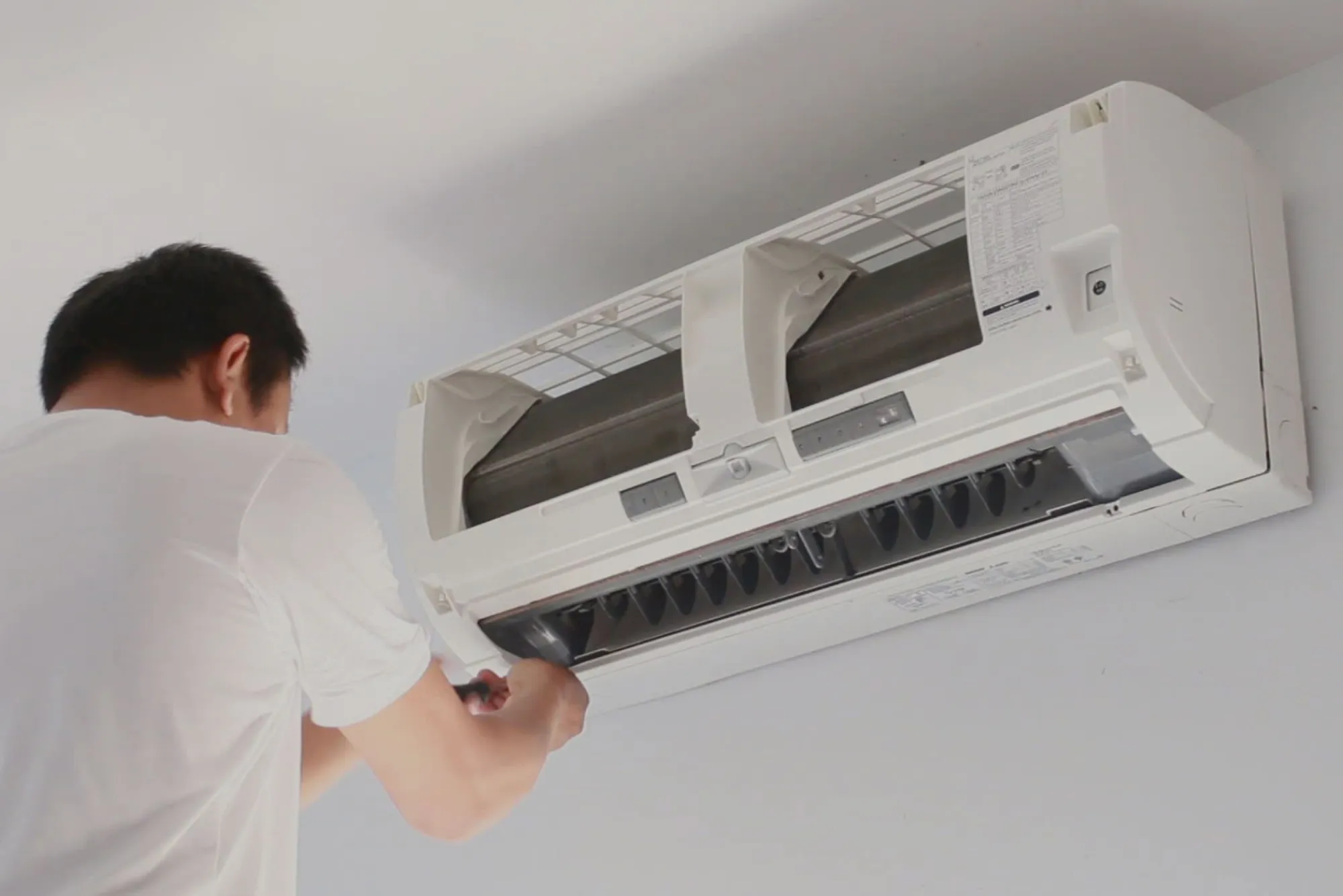
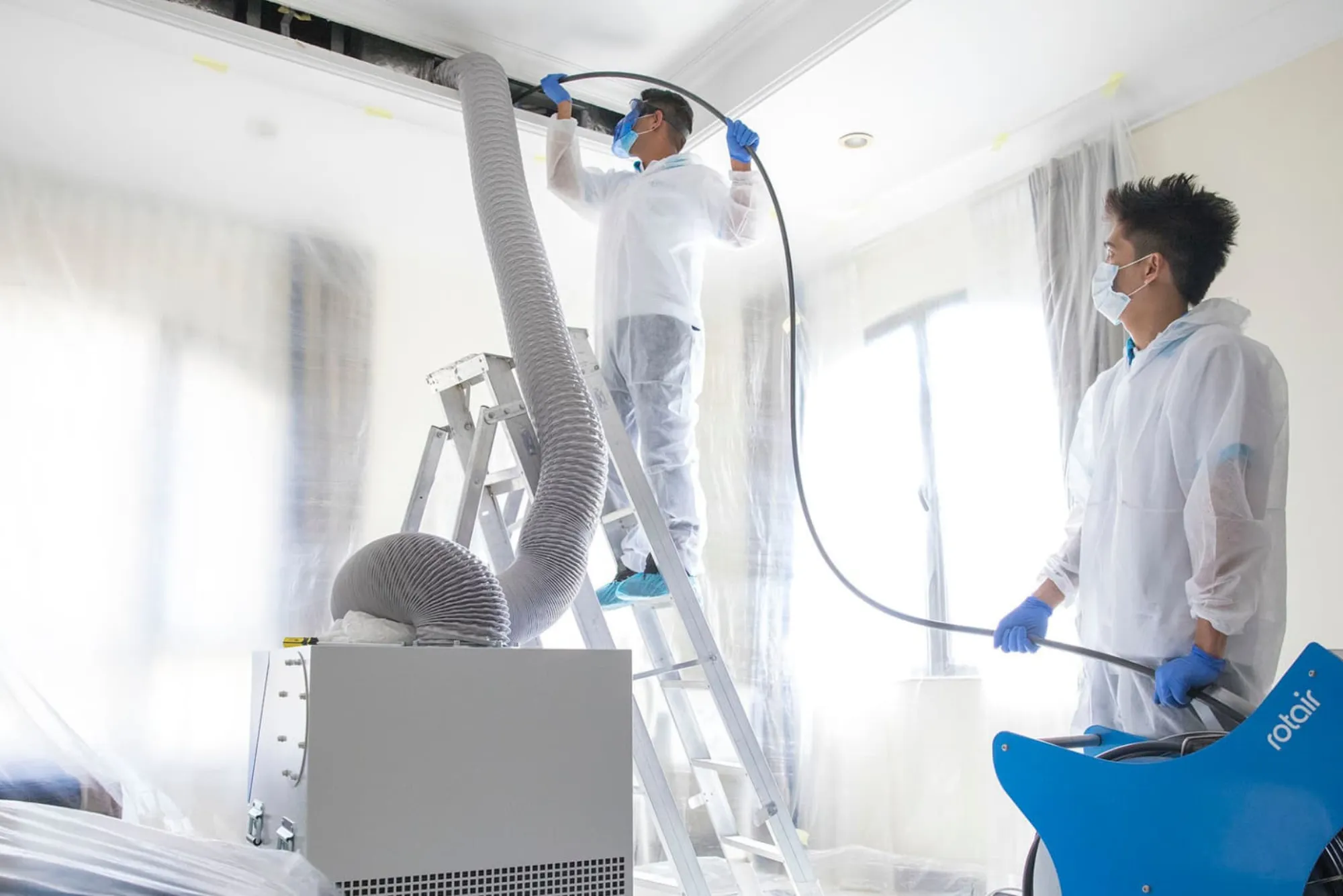
Facility maintenance includes monitoring HVAC performance, cleaning filters and ducts, inspecting refrigerant levels, checking airflow balance, and evaluating system efficiency. In larger commercial properties, centralized air conditioning systems and VRF/VRV installations require technical calibration to ensure even cooling distribution.
Dust exposure from ongoing construction and roadside traffic can also affect indoor air systems in this locality. Without proper cleaning and servicing, ducting systems may lose efficiency and reduce air quality within occupied spaces.
Maintaining these systems regularly improves both environmental comfort and operational reliability.
Electrical Infrastructure and Load Management
Electrical systems are one of the most sensitive components of any building. In developing areas such as Raiwind Road, fluctuating electrical loads and increasing energy demand place constant pressure on internal wiring and distribution systems.
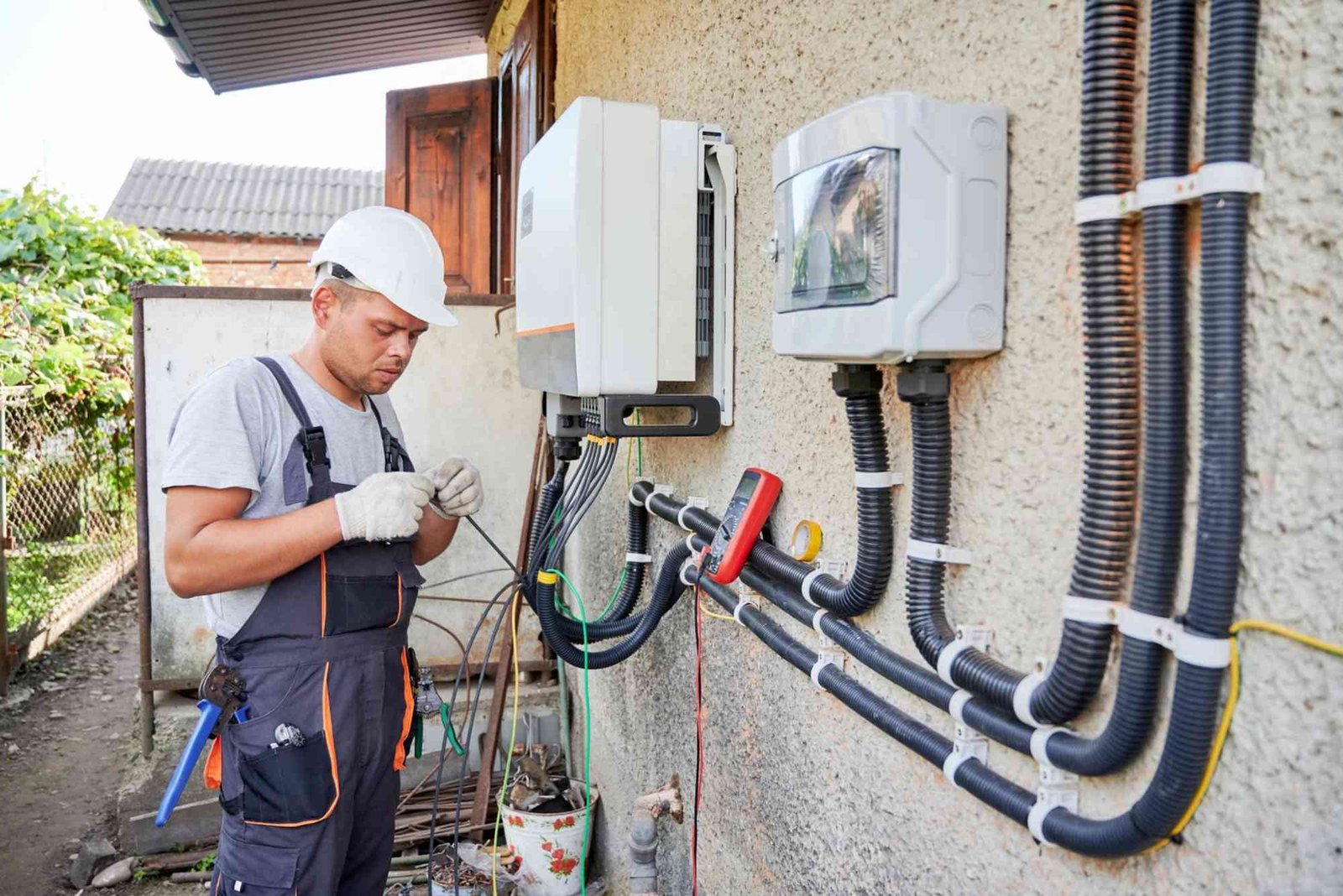
Facility maintenance services include inspection of electrical panels, wiring assessments, breaker testing, voltage stability checks, and load balancing. These procedures help identify overheating points, weak connections, or overloaded circuits before they create larger technical failures.
Commercial properties with heavy equipment usage particularly benefit from structured electrical maintenance because operational downtime can directly affect productivity and customer service.
For residential communities, proper electrical management also improves safety and helps prevent unnecessary power-related equipment damage.
Plumbing Systems and Water Management
Reliable plumbing infrastructure is essential for residential and commercial functionality. Along Raiwind Road, many properties depend on continuous water supply systems, underground piping networks, and drainage setups that require regular monitoring.
Facility maintenance includes leak detection, drainage inspections, pressure regulation checks, fixture servicing, and preventive plumbing care. Water leakage that remains undetected can damage walls, ceilings, electrical systems, and flooring over time.
In commercial kitchens, restaurants, and larger office facilities, plumbing maintenance is particularly important because drainage blockages or pipe failures can disrupt daily operations.
Proper water system management also contributes to cleaner and more hygienic indoor environments.
Adapting Maintenance to Mixed-Use Developments
One unique characteristic of Raiwind Road Lahore is the increasing number of mixed-use developments that combine residential and commercial spaces within the same property structure.
These buildings require coordinated maintenance planning because operational demands differ across various sections of the property. Residential occupants prioritize comfort, privacy, and stable utilities, while commercial spaces require uninterrupted system performance and operational efficiency.
Facility maintenance teams must therefore manage multiple technical requirements simultaneously while ensuring minimal disruption to occupants and businesses.
Managing Ventilation and Indoor Air Circulation
Ventilation systems are often overlooked until indoor comfort begins to decline. In properties located along busy roads and developing commercial areas, indoor air circulation plays a major role in occupant comfort and building performance.
Facility maintenance includes inspection of ventilation ducts, exhaust systems, airflow pathways, and mechanical ventilation units. Proper airflow management helps regulate indoor temperature while also reducing humidity buildup and airborne dust accumulation.
This becomes especially important in offices, educational facilities, restaurants, and commercial environments where occupant density is higher.
Well-maintained ventilation systems also improve overall HVAC efficiency by supporting balanced airflow throughout the building.
Supporting Commercial Operations Without Interruptions
Commercial properties on Raiwind Road often operate for extended hours, making uninterrupted system functionality essential. Restaurants, offices, retail stores, and service centers depend on properly functioning infrastructure to maintain smooth daily operations.
Facility maintenance minimizes operational disruptions by identifying vulnerabilities before failures occur. This proactive management allows businesses to continue functioning efficiently without unexpected technical interruptions.
Emergency repairs are sometimes unavoidable, but consistent maintenance significantly reduces their frequency and severity.
For businesses operating in competitive environments, maintaining operational continuity directly supports productivity and customer experience.
Structural Upkeep and Interior Maintenance
Technical systems are only one part of facility management. Structural and interior maintenance also contribute significantly to the overall usability and appearance of a property.
Facility maintenance services may include inspection of ceilings, walls, flooring, fixtures, and general infrastructure wear. In commercial spaces, maintaining a clean and functional environment supports professionalism and occupant satisfaction.
In residential communities, proper upkeep of shared spaces such as entrances, corridors, parking areas, and stairways contributes to overall property value and functionality.
Maintaining these areas consistently prevents deterioration and helps properties remain operationally efficient over time.
Technical Coordination Across Multiple Systems
Modern buildings rely on interconnected systems that must operate together without conflict. HVAC systems affect electrical loads, plumbing systems interact with structural components, and ventilation impacts cooling efficiency.
Facility maintenance therefore requires coordinated oversight rather than isolated repairs. A structured maintenance strategy evaluates how each building component affects overall operational performance.
This integrated management approach improves reliability while reducing repeated technical issues caused by neglected system interactions.
For larger properties along Raiwind Road, coordinated maintenance is particularly important because building operations depend heavily on system synchronization.
Facility Maintenance for Residential Communities
The expansion of housing societies and residential developments along Raiwind Road has increased the need for dependable maintenance services tailored to community living.
Apartment buildings and gated residential projects require ongoing attention to water supply systems, electrical infrastructure, cooling systems, and shared facility operations. Elevators, parking ventilation, corridor lighting, and backup power systems also require periodic inspection and servicing.
Consistent maintenance creates more comfortable and reliable living conditions for residents while helping property managers avoid large-scale technical failures.
Environmental Conditions and Equipment Performance
Raiwind Road’s developing infrastructure environment creates unique operational conditions for buildings and technical equipment. Dust exposure, fluctuating temperatures, and heavy seasonal HVAC usage can accelerate wear on mechanical systems.
Facility maintenance helps mitigate these environmental effects through regular cleaning, calibration, inspection, and equipment optimization.
Outdoor cooling units, ventilation systems, and electrical infrastructure particularly benefit from preventive servicing because environmental exposure directly affects long-term performance.
Maintaining equipment under these conditions helps improve reliability and reduces unnecessary strain on operational systems.
Energy Efficiency Through Proper Maintenance
Energy management has become increasingly important for both residential and commercial property owners. Poorly maintained systems consume more electricity while delivering lower performance.
Facility maintenance improves efficiency by ensuring that HVAC systems, electrical networks, and ventilation setups operate at optimal levels. Clean airflow systems, balanced electrical loads, and properly calibrated equipment reduce unnecessary energy consumption.
For commercial properties operating continuously throughout the day, these improvements can significantly affect long-term operational costs.
Maintaining energy-efficient infrastructure also supports more sustainable building operations overall.
Safety and Operational Reliability
Safety remains one of the most important aspects of facility management. Electrical faults, plumbing leaks, ventilation failures, or neglected infrastructure can create operational risks for occupants and property owners.
Regular maintenance inspections help identify hazards before they become serious safety concerns. This includes evaluating electrical integrity, checking for moisture-related damage, ensuring ventilation efficiency, and monitoring system stability.
Reliable maintenance contributes to safer indoor environments while improving the overall functionality of the property.
FAQs
What does facility maintenance typically include?
Facility maintenance covers HVAC systems, electrical infrastructure, plumbing, ventilation, preventive inspections, and general building upkeep.
Is preventive maintenance necessary for residential properties?
Yes, regular maintenance helps prevent system failures and improves long-term operational reliability in residential buildings.
Can facility maintenance improve energy efficiency?
Properly maintained systems consume less energy and operate more efficiently, especially HVAC and electrical systems.
How often should commercial buildings be inspected?
Commercial properties generally benefit from monthly or quarterly inspections depending on operational demands.
Does facility maintenance help reduce emergency repairs?
Yes, preventive inspections identify issues early, reducing the likelihood of unexpected system failures.