Raiwind Road Lahore has transformed rapidly over the years, becoming home to modern housing societies, educational institutions, commercial plazas, healthcare facilities, warehouses, and large residential developments. With this expansion comes a growing need for energy-efficient and scalable climate control systems capable of handling different building sizes and occupancy patterns.
Traditional air conditioning setups are often insufficient for large or multi-zone properties where cooling requirements vary from one space to another. This is where VRF and VRV systems have become increasingly relevant for properties along Raiwind Road. Their ability to provide precise temperature control while maintaining energy efficiency makes them suitable for both residential and commercial environments.
Understanding How Variable Refrigerant Systems Operate
VRF and VRV technologies are advanced HVAC solutions designed to distribute refrigerant intelligently between multiple indoor units connected to a single outdoor system. Unlike conventional setups that operate uniformly across all spaces, these systems adjust cooling output based on actual demand in different zones.
In practical terms, this means an office meeting room, a retail section, and a residential lounge can all maintain different temperatures simultaneously without affecting overall system efficiency. This flexibility is particularly valuable in mixed-use developments commonly found around Raiwind Road.
These systems are designed to support continuous operation while minimizing unnecessary energy usage, making them suitable for buildings with varying occupancy levels throughout the day.
Suitability for Modern Residential Projects
Many newer residential developments on Raiwind Road feature multi-floor homes, villas, and apartment complexes that require more refined climate control solutions. Standard split systems can create uneven cooling and increased power consumption when multiple units are installed separately.
VRF and VRV systems address these concerns by offering centralized management with individualized room control. Bedrooms, living areas, and upper floors can all receive customized cooling based on usage patterns.
For homeowners, this creates a quieter indoor environment with more stable temperatures and improved comfort throughout the property.
Commercial Spaces Require Scalable Cooling Infrastructure
Commercial properties along Raiwind Road often operate under changing occupancy conditions. Offices may have peak usage during working hours, while restaurants and retail outlets experience fluctuating customer traffic throughout the day.
A flexible HVAC setup becomes essential in such environments. Variable refrigerant systems allow businesses to cool only the required zones rather than running the entire system at full capacity. This operational flexibility helps maintain comfort while supporting better energy management.
Large commercial properties also benefit from the reduced need for extensive ductwork, allowing more efficient use of ceiling and utility spaces.
Energy Optimization in Expanding Urban Areas
As infrastructure expands across Raiwind Road, energy efficiency has become an important consideration for both property owners and facility managers. Rising operational costs make efficient HVAC solutions increasingly valuable.
VRF and VRV systems are designed to reduce unnecessary compressor activity by adjusting refrigerant flow according to demand. This targeted operation improves efficiency compared to traditional systems that frequently operate at fixed capacities.
Buildings with long operating hours, such as educational facilities and corporate offices, often experience noticeable improvements in power utilization when systems are properly configured and maintained.
Installation Planning for Different Property Layouts
No two buildings along Raiwind Road are exactly alike. Some properties have open commercial layouts, while others feature segmented residential structures with varying cooling requirements.
Effective installation begins with careful load assessment and space planning. Factors such as building orientation, occupancy density, insulation levels, and ventilation patterns influence how the system is configured.
Proper planning ensures balanced refrigerant distribution, efficient airflow, and long-term operational reliability across all zones.
Maintaining Indoor Comfort Across Multiple Zones
One of the biggest advantages of VRF and VRV technology is the ability to maintain stable indoor temperatures in separate areas simultaneously. This becomes especially useful in buildings where certain rooms experience different heat loads.
For example, conference rooms exposed to sunlight may require more cooling than internal office spaces. Similarly, upper floors in residential homes may need different temperature settings compared to lower levels.
By independently regulating each indoor unit, the system maintains comfort without overburdening the entire setup.
Reduced Noise and Improved Interior Experience
Modern buildings increasingly prioritize comfort not only in terms of temperature but also acoustic performance. Traditional HVAC systems can sometimes generate noticeable operational noise, particularly in quiet indoor environments.
VRF and VRV systems are engineered for smoother and quieter operation. Indoor units maintain consistent airflow without the abrupt cycling often associated with conventional cooling systems.
This creates a more comfortable environment in offices, meeting rooms, bedrooms, and commercial lounges where low noise levels are important.
Integration with Contemporary Building Infrastructure
New developments along Raiwind Road often include modern architectural designs that require efficient utilization of interior space. Bulky ducting systems and multiple outdoor units can limit design flexibility.
Variable refrigerant systems support streamlined integration with modern structures. Their modular design allows indoor units to be installed discreetly while reducing visible mechanical clutter.
This makes them suitable for high-end residences, commercial plazas, educational facilities, and hospitality environments seeking cleaner architectural aesthetics.
Adapting to Seasonal Cooling Demands
Lahore’s climate places significant demands on HVAC systems, especially during peak summer months. Properties along Raiwind Road frequently require continuous cooling during daytime operations.
VRF and VRV systems are designed to adapt dynamically to these changing environmental conditions. Instead of operating at fixed outputs, they continuously adjust refrigerant flow based on indoor and outdoor temperature variations.
This responsive performance helps maintain indoor stability even during periods of extreme heat.
Importance of Regular System Monitoring
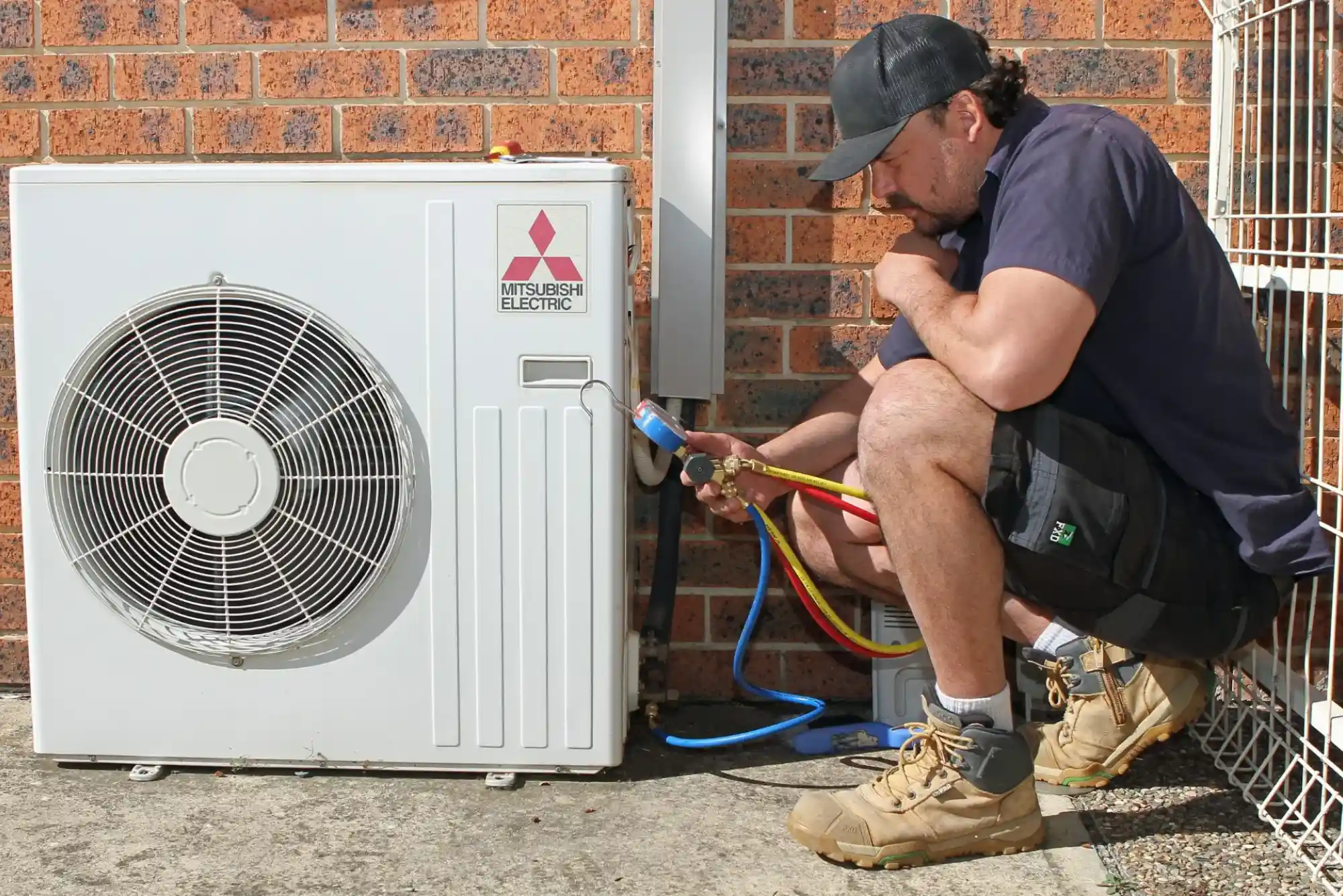
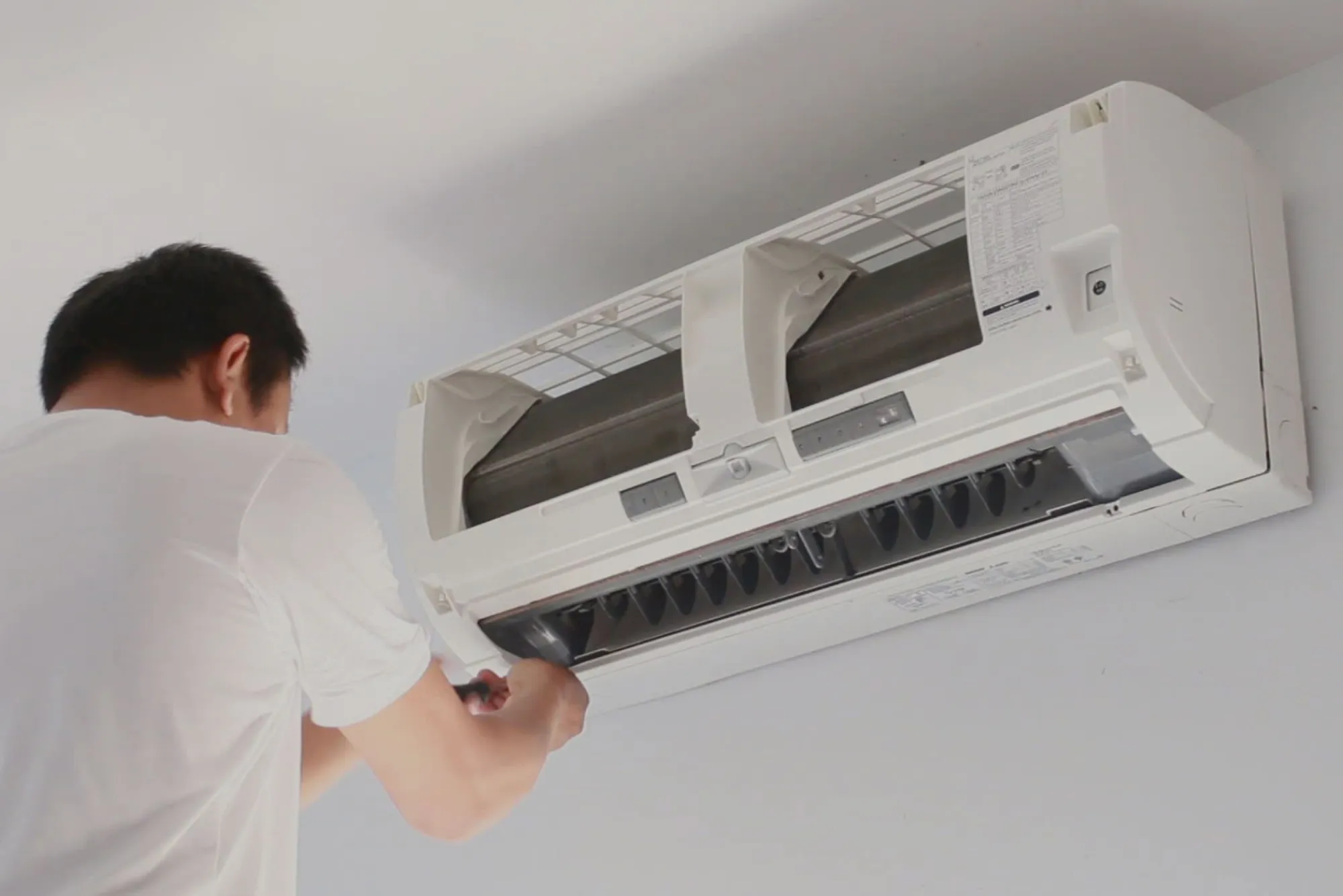
Advanced HVAC systems require regular technical oversight to maintain performance. Monitoring refrigerant pressure, airflow efficiency, electrical connections, and compressor activity helps prevent operational issues before they escalate.
In commercial buildings where uninterrupted cooling is essential, preventive inspections play a major role in sustaining long-term reliability.
Maintenance schedules are often customized according to system usage patterns, occupancy levels, and environmental exposure.
Electrical Infrastructure and System Stability
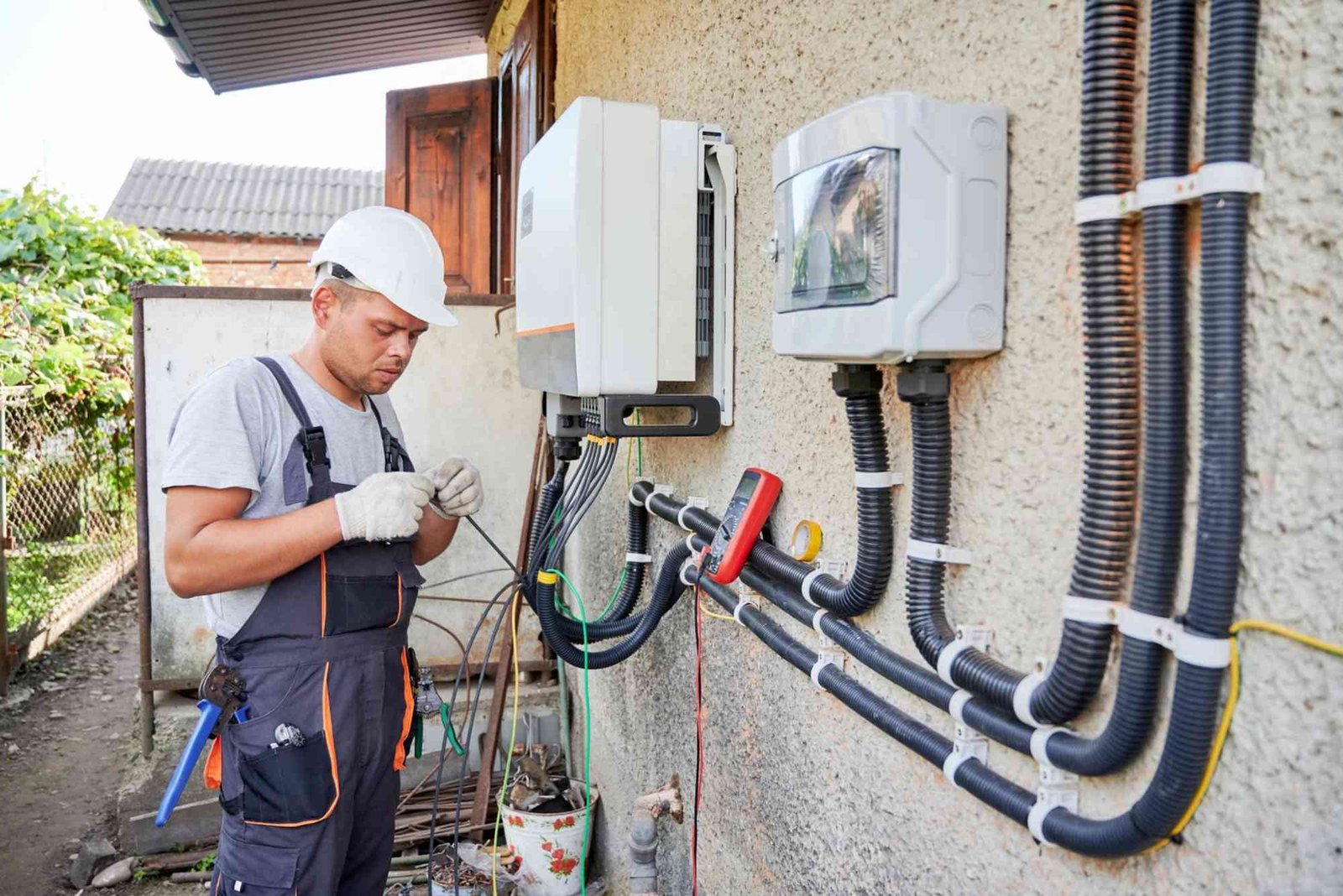
Stable electrical performance is critical for sophisticated HVAC systems. Voltage fluctuations and inconsistent power supply can affect inverter-driven compressors and electronic controls.
Properties on Raiwind Road, particularly older buildings transitioning to advanced HVAC technologies, may require electrical evaluations before installation. Ensuring proper load distribution and stable wiring conditions supports safe and efficient operation.
Technical inspections also help identify areas where electrical upgrades may improve system performance.
Flexibility for Future Expansion
As properties grow or operational needs change, HVAC systems must be capable of adapting without major reconstruction. VRF and VRV systems offer scalability that allows additional indoor units to be integrated into existing setups under suitable configurations.
This flexibility is especially useful for expanding office spaces, educational institutions, and mixed-use developments that anticipate future growth.
Rather than replacing the entire system, property owners can modify specific zones according to evolving requirements.
Key Components Commonly Managed in VRF / VRV Systems
Proper operation of these systems depends on the coordination of several important components:
- Outdoor condenser units
- Refrigerant piping networks
- Indoor cassette or wall-mounted units
- Inverter-driven compressors
- Electronic expansion valves
- Smart temperature controls
- Ventilation and airflow balancing systems
Each element contributes to overall system efficiency and indoor comfort.
Climate Control for Mixed-Use Developments
Raiwind Road continues to see growth in mixed-use developments where residential apartments, retail areas, and offices coexist within the same structure. Such buildings require HVAC systems capable of serving diverse occupancy needs simultaneously.
Variable refrigerant technology offers the zoning flexibility needed for these environments. Different sections of the building can operate independently while remaining connected to a centralized infrastructure.
This arrangement improves operational efficiency while allowing property managers greater control over energy usage.
Indoor Air Quality and Ventilation Considerations
Modern climate control extends beyond cooling alone. Indoor air quality has become increasingly important in residential and commercial environments.
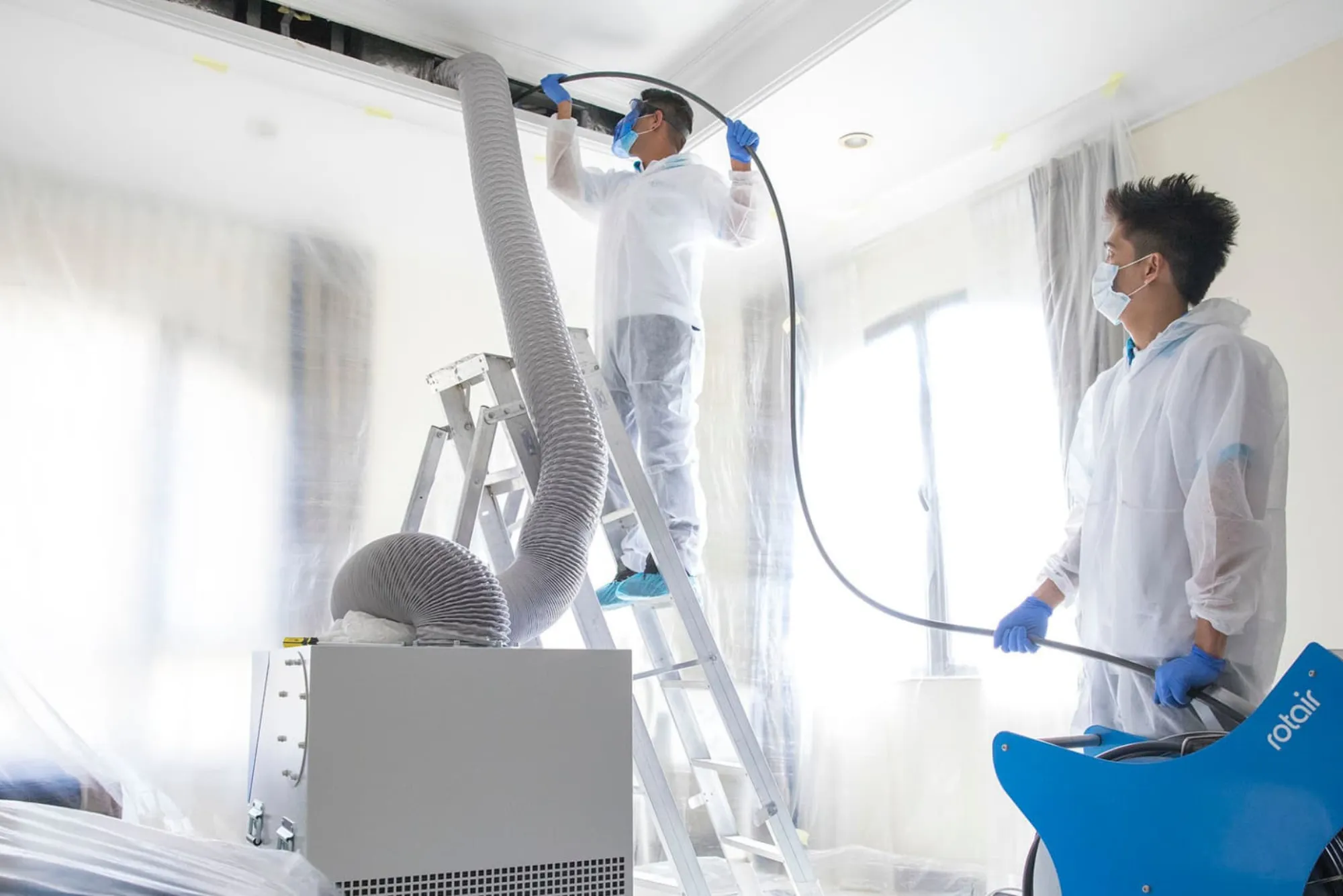
Properly configured VRF and VRV systems support healthier airflow conditions when integrated with ventilation strategies and routine maintenance practices. Clean filters, balanced airflow, and controlled humidity contribute to a more comfortable indoor environment.
This becomes especially valuable in office settings, educational facilities, and residential communities with high occupancy levels.
Long-Term Operational Reliability
Advanced HVAC systems represent a long-term infrastructure investment. Their performance depends heavily on proper installation quality, balanced system design, and ongoing maintenance.
Buildings along Raiwind Road often operate under demanding conditions due to extended working hours, large occupancy levels, and seasonal climate extremes. Consistent technical support helps maintain operational reliability while reducing the risk of sudden failures.
A structured maintenance approach also supports more predictable system performance over time.
FAQs
What is the difference between VRF and VRV systems?
Both technologies operate similarly by controlling refrigerant flow to multiple indoor units. The difference is mainly in terminology and system branding.
Are these systems suitable for residential properties?
Yes, they are commonly used in large homes, villas, and apartment buildings that require zoned cooling.
Do VRF systems consume less electricity?
They are designed for higher energy efficiency by adjusting cooling output according to actual demand.
Can one system cool multiple rooms independently?
Yes, each indoor unit can operate with separate temperature settings within the same system.
Is regular maintenance necessary for VRF and VRV systems?
Routine inspections and servicing help maintain efficiency, prevent faults, and support long-term system reliability.