Shadman Lahore is known for its blend of residential houses, clinics, offices, educational institutions, and roadside commercial units. This diversity creates unique cooling requirements, where a one-size-fits-all approach to air conditioning simply doesn’t work.
In many homes, AC units are installed in compact bedrooms or lounge areas, while offices and clinics require consistent cooling across multiple rooms. Shops along busy roads need systems that can handle frequent door openings and fluctuating indoor temperatures. Proper installation ensures that each system is aligned with the property layout, usage pattern, and environmental conditions.
Why Proper Installation Matters More Than the Unit Itself
Even a high-quality air conditioner can underperform if it is not installed correctly. Improper placement, incorrect sizing, or poor electrical connections can lead to inefficient cooling, higher energy bills, and frequent breakdowns.
In Shadman, where buildings often have varying structures and space constraints, installation precision becomes even more important. Positioning the indoor unit at the right height, ensuring proper airflow direction, and securing the outdoor unit in a well-ventilated area are all critical steps that influence long-term performance.
Assessing Space Before Installation
Before installing any cooling system, a proper assessment of the space is essential. This involves understanding room dimensions, insulation levels, sunlight exposure, and occupancy patterns.
For example, a clinic in Shadman may require quiet and stable cooling, while a shop may need faster cooling cycles due to constant foot traffic. Similarly, residential spaces often focus on comfort and energy efficiency.
A professional evaluation typically considers:
- Room size and cooling load requirements
- Placement of doors, windows, and heat sources
- Electrical capacity and wiring condition
- Ventilation and airflow pathways
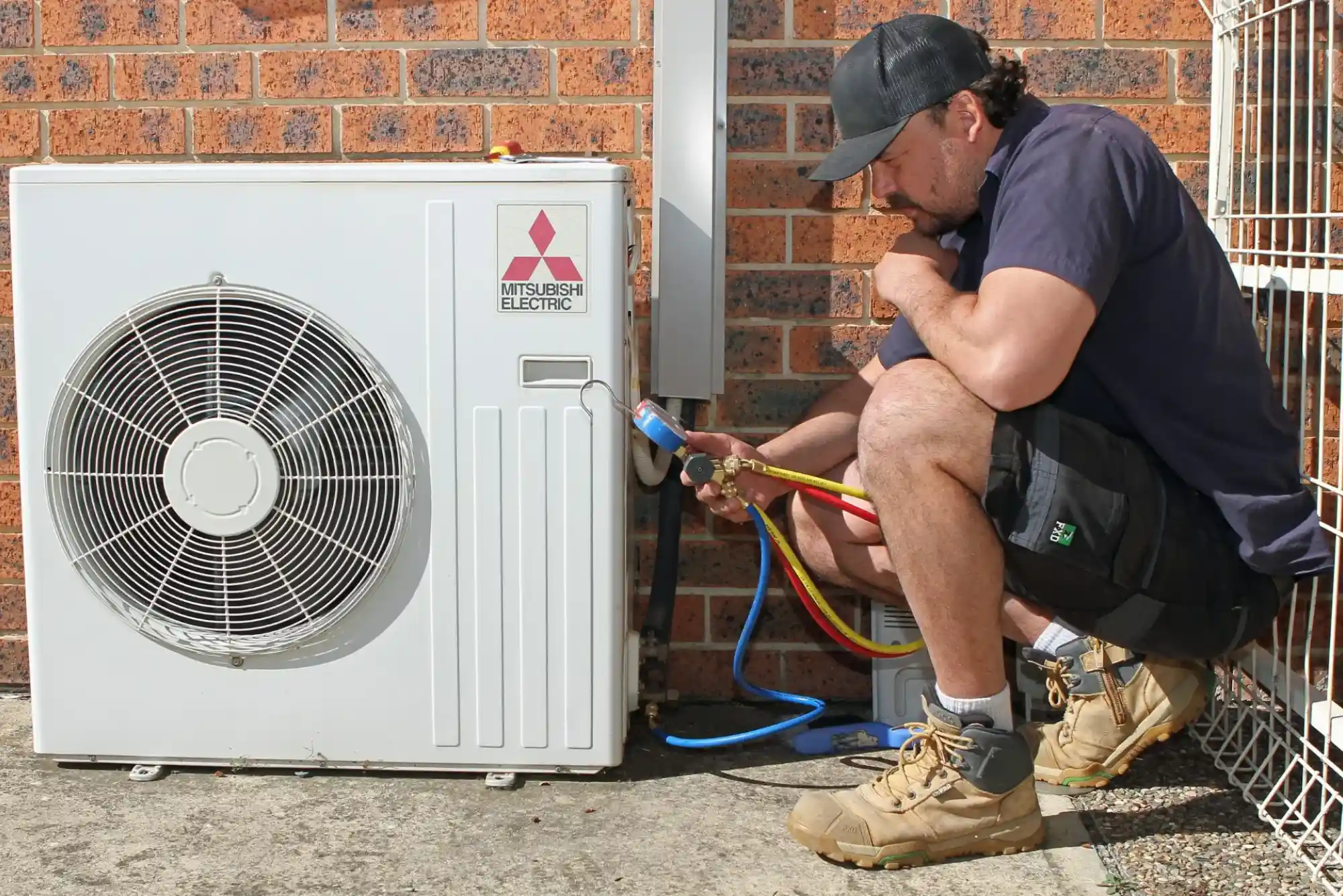
- Outdoor unit positioning for heat dissipation
This assessment ensures that the installed system delivers consistent and efficient performance from day one.
Installation Considerations for Different Property Types
Shadman’s infrastructure includes older constructions alongside newer buildings, each presenting its own installation challenges. In older homes, electrical systems may require adjustments to support modern air conditioning units. In newer apartments, space limitations can influence where units are mounted.
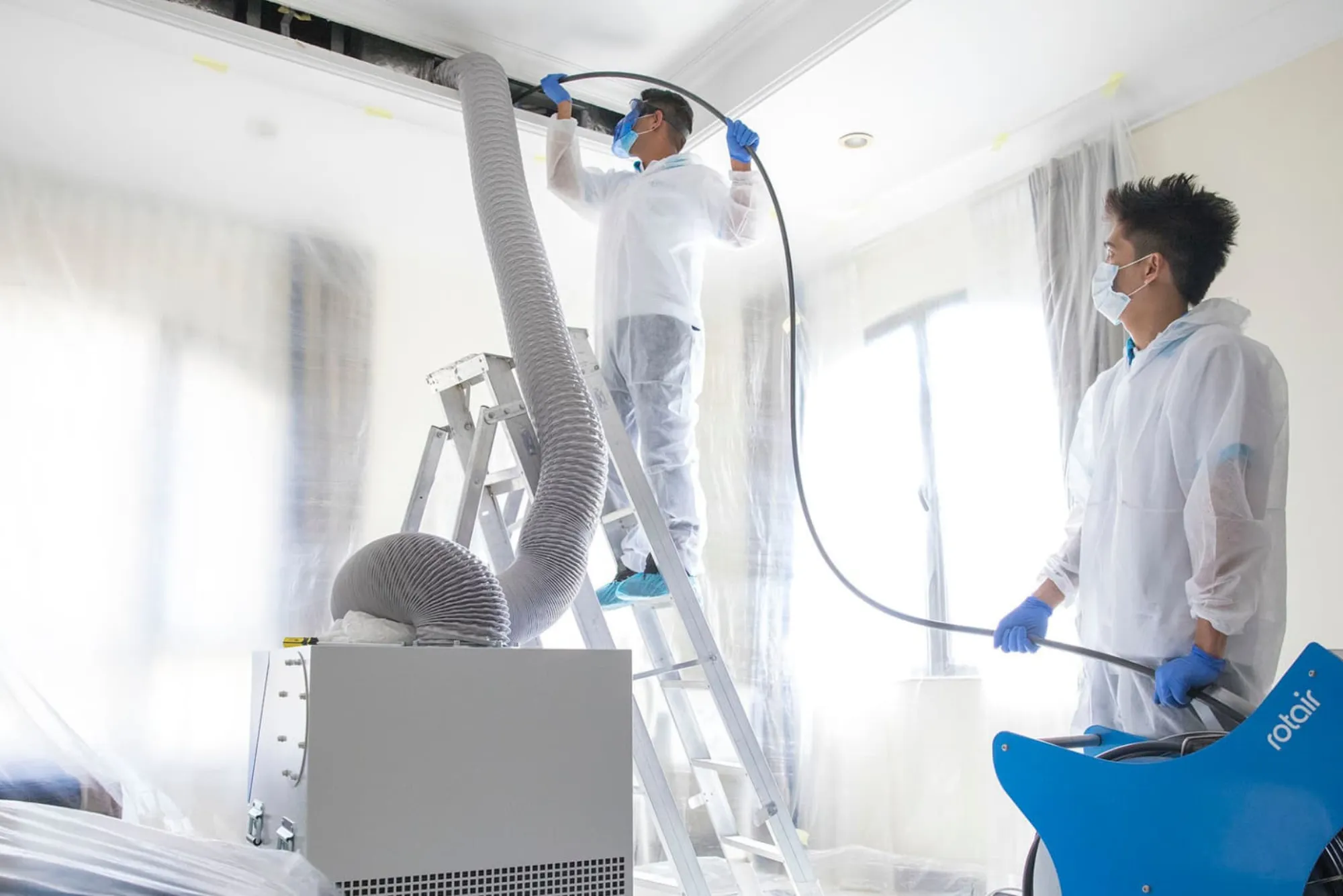
Commercial setups such as offices and clinics often require multiple units or centralized cooling solutions. Installation in such environments focuses on maintaining uniform temperature distribution while minimizing noise and energy consumption.
By adapting installation techniques to each property type, technicians can ensure reliable operation regardless of structural limitations.
Electrical Integration and Safety Standards
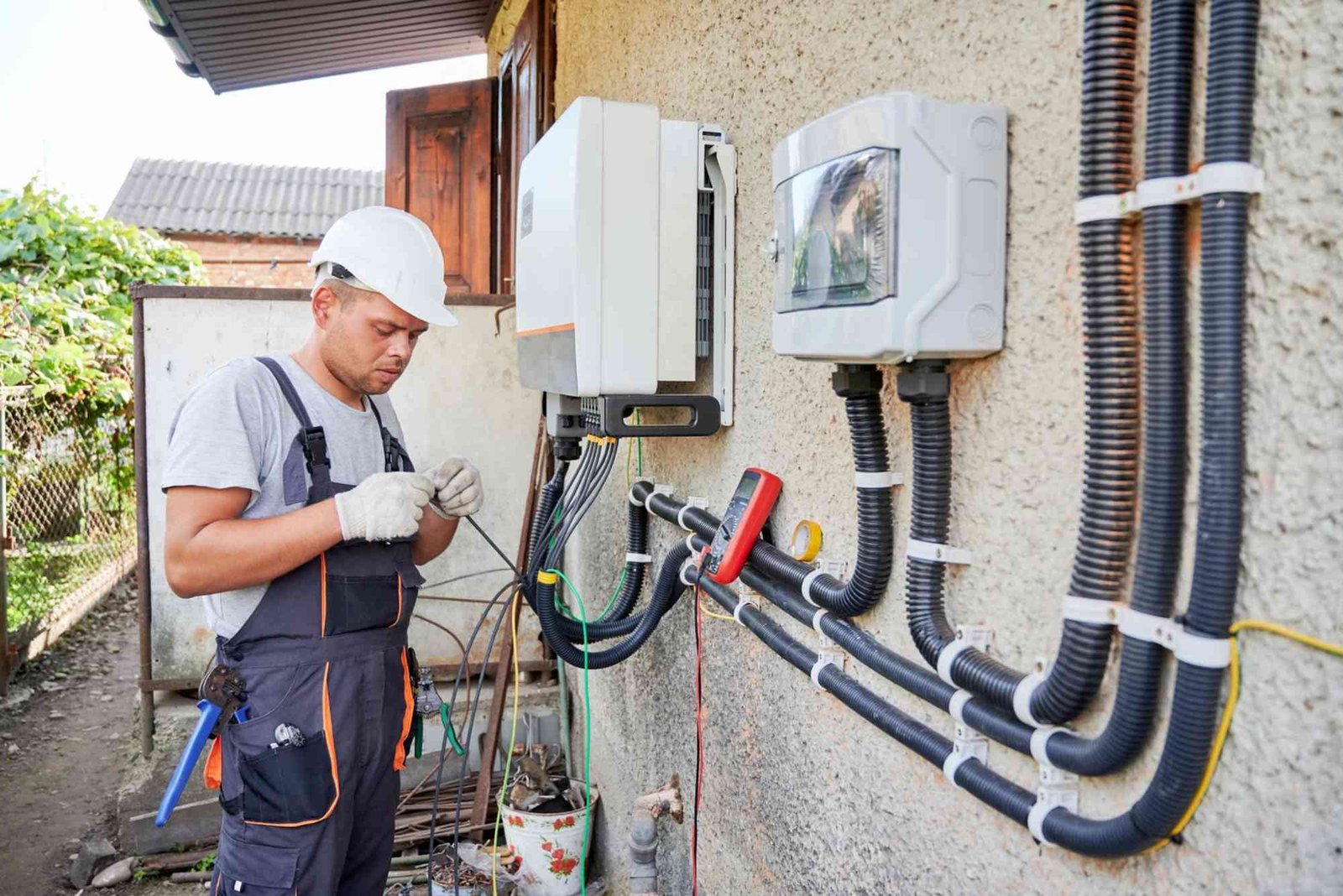
Air conditioning systems rely heavily on stable electrical connections. In areas like Shadman, where load variations can occur, ensuring proper wiring and circuit protection is essential.
Installation includes checking voltage compatibility, installing appropriate breakers, and securing connections to prevent overheating or short circuits. This not only protects the equipment but also ensures safe operation for occupants.
A properly integrated electrical setup reduces the risk of sudden shutdowns and enhances overall system durability.
Optimizing Airflow and Cooling Distribution
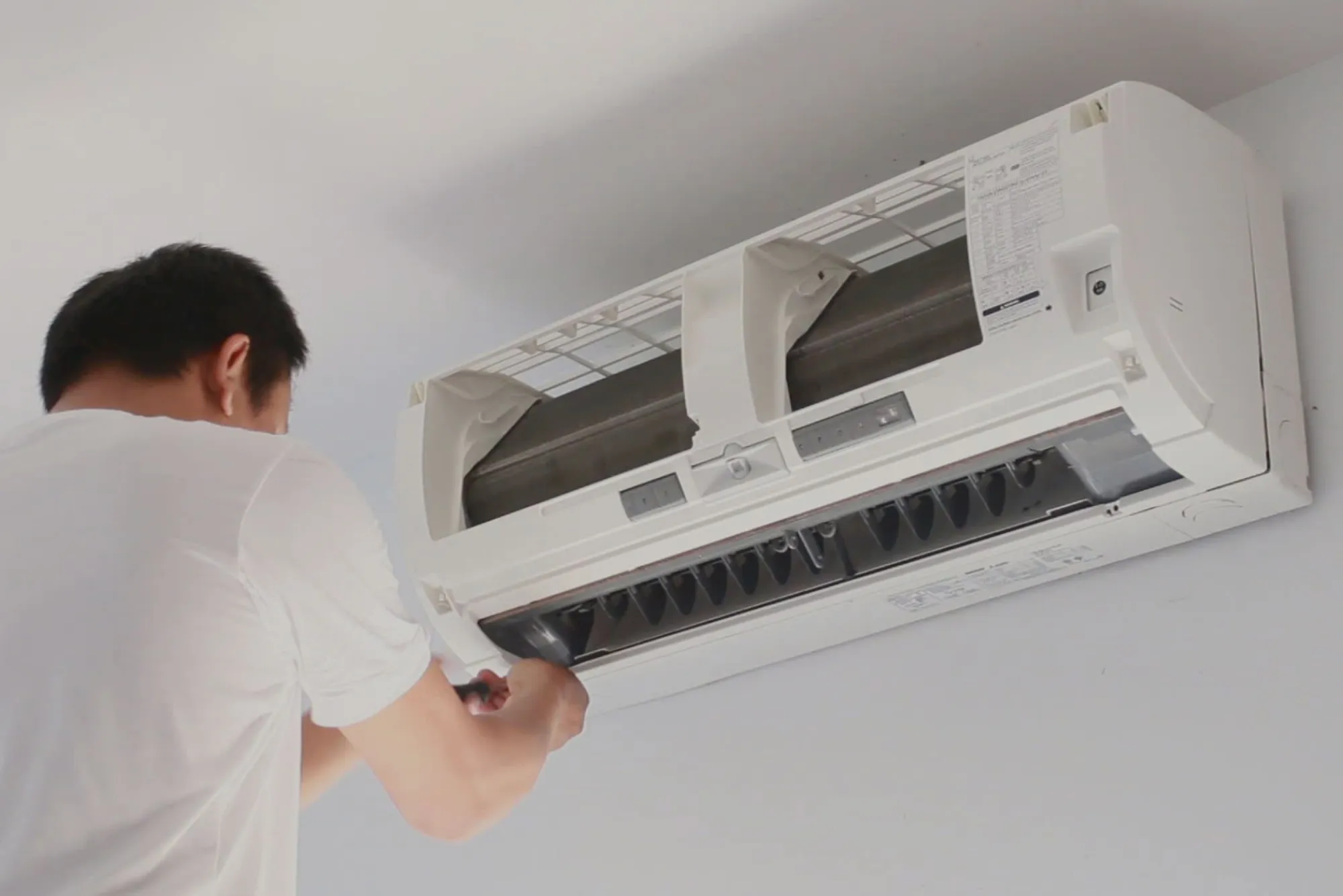
One of the key aspects of installation is achieving balanced airflow throughout the space. Poor airflow can result in uneven cooling, where some areas remain warmer than others.
In residential settings, this may affect comfort in bedrooms and living areas. In offices or shops, it can impact employee productivity and customer experience. Proper positioning of the indoor unit, along with correct angle adjustment, helps distribute cool air evenly.
Technicians also ensure that there are no obstructions around the unit that could restrict airflow, allowing the system to operate efficiently.
Outdoor Unit Placement in Urban Settings
The placement of the outdoor unit plays a crucial role in system performance. In Shadman, where space can be limited, finding the right location requires careful planning.
Outdoor units need adequate ventilation to release heat effectively. Installing them in cramped or enclosed spaces can reduce efficiency and increase system strain. Proper mounting, stable support, and protection from direct sunlight or debris are also considered during installation.
This attention to detail helps maintain optimal performance even in challenging urban environments.
Long-Term Performance and System Reliability
A well-installed air conditioning system requires fewer repairs and operates more efficiently over time. Proper installation minimizes stress on internal components, reducing the likelihood of early wear and tear.
In Shadman, where AC systems are used extensively during hot weather, this reliability becomes essential. Whether it’s a home, office, or commercial space, a correctly installed unit ensures uninterrupted cooling and consistent comfort.
Regular inspections after installation can further enhance system longevity and maintain peak performance.
Supporting Comfortable Indoor Environments Year-Round
Beyond immediate cooling, a properly installed system contributes to overall indoor comfort. It helps regulate temperature, improve air circulation, and maintain a pleasant environment for occupants.
For families, this means a comfortable living space during hot days. For businesses, it creates a welcoming atmosphere for customers and a productive environment for staff.
By focusing on precision, safety, and adaptability, installation services in Shadman support long-term comfort across a wide range of property types.
FAQs
How long does an AC installation typically take?
Most standard installations can be completed within a few hours, depending on the complexity of the setup.
What factors affect the placement of an AC unit?
Room layout, airflow direction, electrical access, and outdoor unit positioning all influence installation placement.
Can improper installation affect cooling performance?
Yes, incorrect installation can lead to poor airflow, uneven cooling, and increased energy consumption.
Is electrical inspection necessary during installation?
Absolutely, checking wiring and load capacity ensures safe and stable system operation.
Do commercial spaces require different installation methods?
Yes, commercial properties often need customized setups to handle larger spaces and continuous usage.