State Life Housing Society Lahore is known for its organized infrastructure, wide roads, and a growing mix of residential and commercial properties. With newer constructions and evolving building designs, traditional cooling systems often fall short in meeting the efficiency and flexibility required by modern spaces.
Variable Refrigerant Flow (VRF) and Variable Refrigerant Volume (VRV) systems offer a more advanced solution for this environment. These systems are designed to deliver precise temperature control across multiple zones, making them ideal for large homes, offices, clinics, and commercial setups within the society.
Why Multi-Zone Cooling Matters in State Life Housing Society
Properties in this area often feature multiple rooms, floors, or independent sections that require different cooling levels. A single conventional unit cannot efficiently manage such diverse requirements.
VRF/VRV systems address this challenge by allowing individual temperature control in different zones while operating on a single outdoor unit. This makes them particularly suitable for:
- Large residential houses with multiple living areas
- Office spaces with separate workstations or departments
- Clinics and educational setups requiring controlled environments
- Commercial units with varying occupancy levels
This flexibility ensures that cooling is not only effective but also energy-conscious.
How VRF / VRV Systems Function Efficiently
Unlike traditional systems that operate at fixed capacities, VRF/VRV systems adjust refrigerant flow based on real-time cooling demand. This intelligent modulation reduces energy consumption and enhances system performance.
In State Life Housing Society, where many properties are designed with modern layouts, this technology supports seamless integration. It allows indoor units to operate independently while maintaining overall system efficiency.
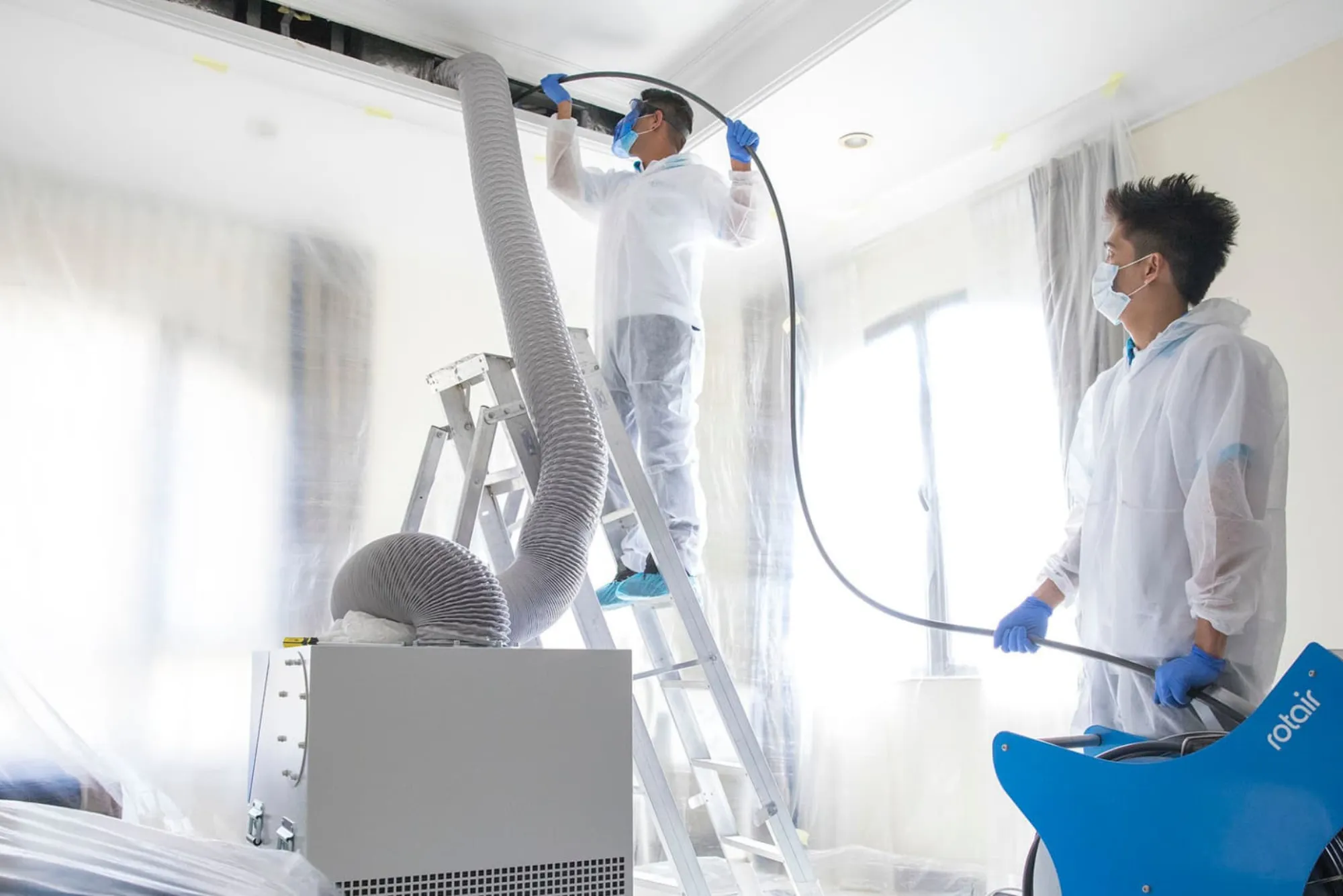
These systems also reduce the need for extensive ductwork, making them suitable for both new constructions and upgraded installations.
Installation Considerations for Local Property Structures
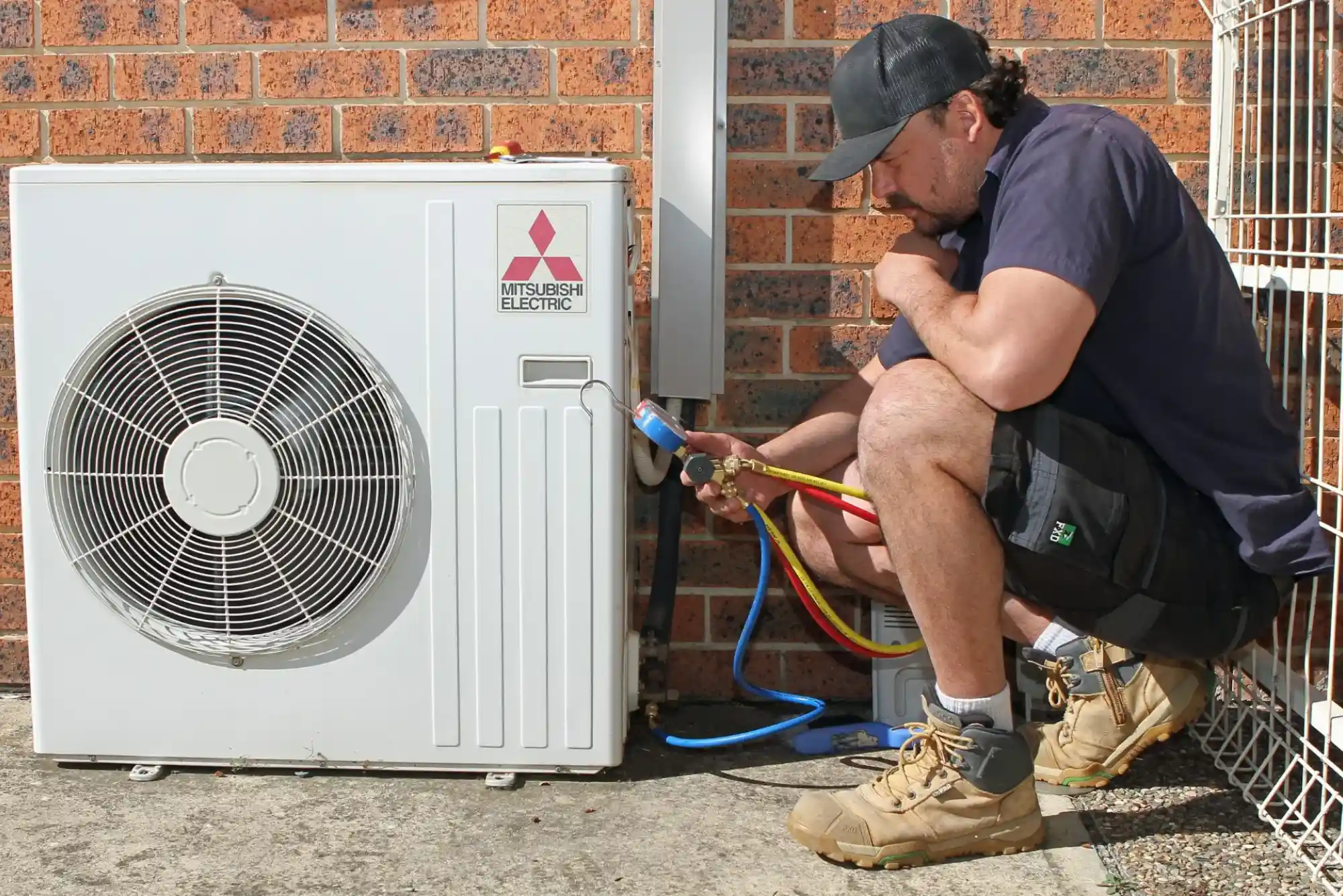
Installing a VRF/VRV system requires careful planning, especially in a structured housing society like State Life. Factors such as building layout, insulation quality, and outdoor unit placement play a crucial role in system performance.
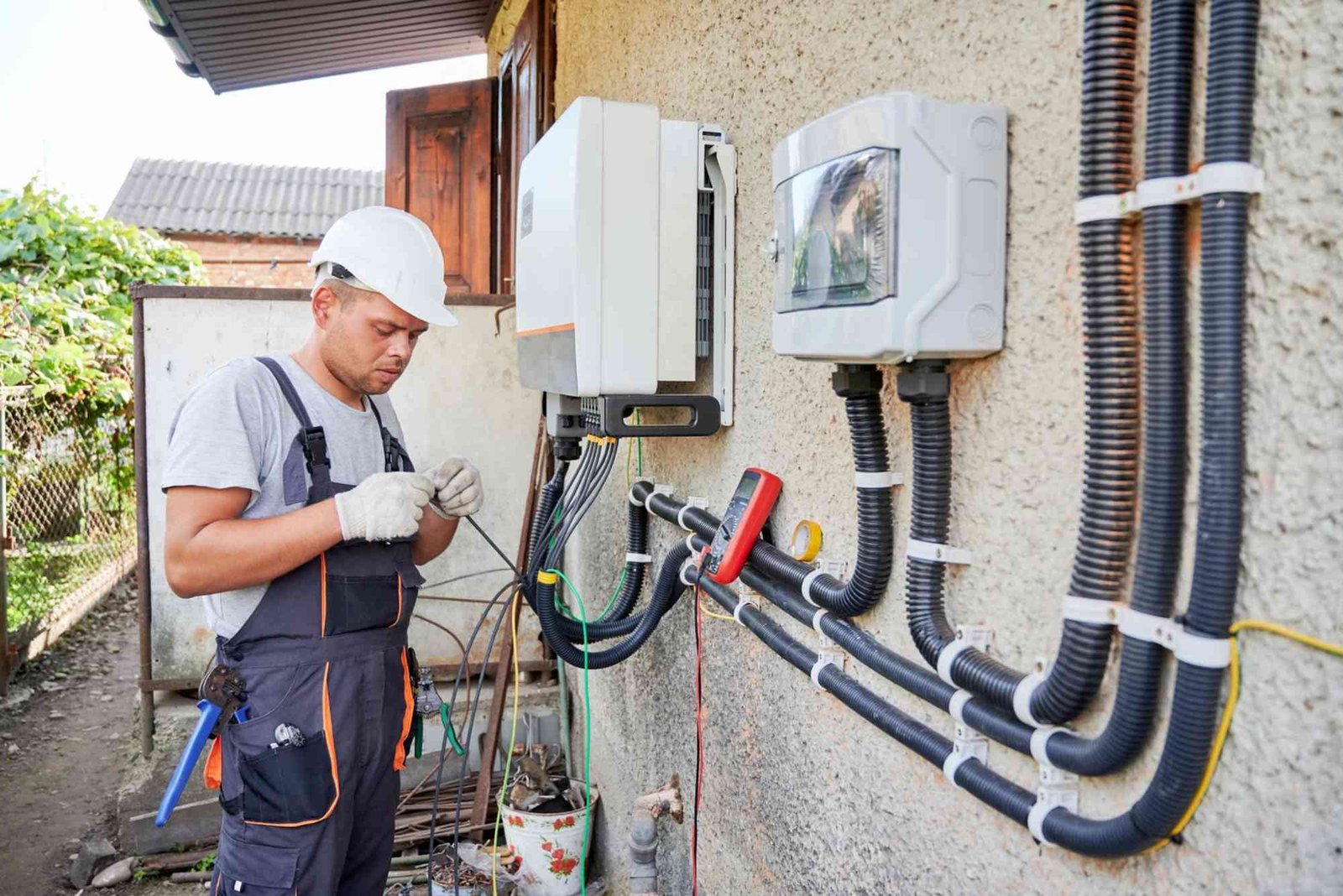
Technicians must evaluate load requirements for each zone, ensuring that the system is properly sized. Proper piping design and electrical setup are equally important to maintain efficiency and avoid operational issues.
Attention to these technical details ensures that the system performs reliably across all seasons.
Maintenance and System Longevity
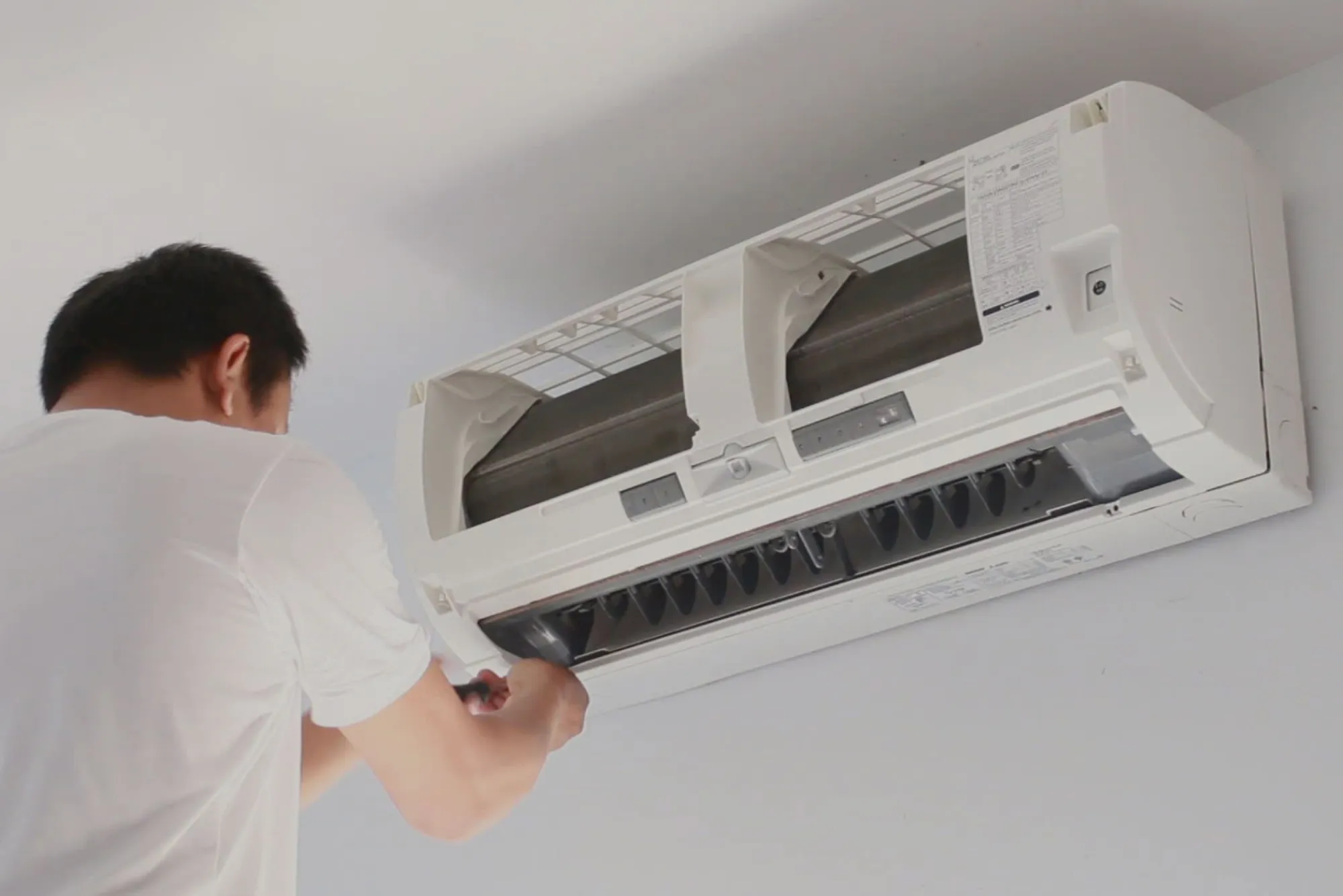
To keep VRF/VRV systems functioning at their best, regular maintenance is essential. These systems are advanced and require periodic inspection to ensure all components are working correctly.
Maintenance tasks typically include checking refrigerant levels, cleaning filters, inspecting electrical connections, and monitoring system performance. In a clean and well-planned area like State Life Housing Society, maintaining these systems is relatively straightforward, but consistency is key.
Routine servicing helps prevent unexpected breakdowns and extends the life of the system.
Suitability for Residential and Commercial Applications
One of the biggest advantages of VRF/VRV systems is their adaptability. In State Life Housing Society, where property types vary, these systems can be customized to meet different needs.
For residential properties, they provide quiet operation and precise temperature control, enhancing comfort in living spaces. For commercial setups, they offer scalability and efficiency, ensuring consistent cooling during long operational hours.
This versatility makes them a preferred choice for property owners looking for a long-term cooling solution.
Energy Efficiency and Cost Optimization
Energy efficiency is a major concern for property owners, especially during peak summer months. VRF/VRV systems are designed to optimize energy usage by adjusting output based on demand rather than running at full capacity continuously.
This results in lower electricity consumption compared to traditional systems. In a locality like State Life Housing Society, where modern infrastructure supports advanced systems, this efficiency becomes even more beneficial.
Over time, reduced energy usage contributes to overall cost savings while maintaining high performance.
Adapting to Environmental and Structural Conditions
State Life Housing Society offers relatively better planning compared to older parts of the city, but environmental factors such as dust and seasonal heat still impact system performance.
VRF/VRV systems are designed to handle these conditions effectively. Proper installation and maintenance ensure that outdoor units remain well-ventilated and indoor units maintain optimal airflow.
Technicians must also consider building orientation and sunlight exposure to maximize system efficiency.
Enhancing Indoor Comfort with Precision Control
Comfort is not just about cooling; it’s about maintaining the right temperature consistently across different spaces. VRF/VRV systems provide precise control, allowing users to set temperatures according to individual preferences.
This level of customization is particularly useful in homes with multiple occupants or commercial spaces with varying requirements. It ensures a balanced indoor environment without overcooling or energy wastage.
FAQs
What is the difference between VRF and VRV systems?
Both systems operate on the same principle of variable refrigerant flow. The difference lies mainly in terminology, with VRV being a brand-specific term.
Are VRF/VRV systems suitable for homes?
Yes, they are ideal for large homes or properties with multiple rooms requiring independent temperature control.
Do these systems require regular maintenance?
Yes, periodic maintenance is essential to ensure efficient performance and long system life.
Can VRF/VRV systems reduce electricity consumption?
They are designed to optimize energy usage by adjusting cooling output based on demand, which helps reduce power consumption.
Are these systems difficult to install?
Installation requires professional planning and expertise, but once properly set up, they operate efficiently with minimal issues.